Jaundice
Jaundice is a yellow tinge in a pet's skin, gums, or eyes caused by a buildup of bilirubin, signaling an underlying blood, liver, or bile duct problem.
Also known as Icterus, Yellow Jaundice, Hyperbilirubinemia
Jaundice is the yellow tinge you sometimes see in a pet's skin, gums, or the whites of the eyes. It happens when a pigment called bilirubin builds up in the blood faster than the body can clear it. Bilirubin is a normal waste product made when old red blood cells break down, and it is usually processed by the liver and passed out through bile. When that pathway backs up anywhere along the line, the pigment spills into tissues and turns them yellow. It is worth knowing that jaundice only becomes visible once bilirubin has risen quite a lot, roughly five to ten times above normal levels, so by the time you can see it, something significant is already going on.
Vets think about jaundice in three broad categories, depending on where the problem sits. The first is prehepatic, meaning red blood cells are being destroyed faster than normal, often because of an immune reaction attacking the cells or, in cats, certain toxins and infections. The second is hepatic, where the liver itself is not working properly and cannot process bilirubin the way it should, which can result from infections, toxins, inflammation, or long-term liver disease. The third is posthepatic, where the liver is doing its job but something is physically blocking bile from draining into the gut, such as a gallstone, a duct blocked by inflammation, or a tumour pressing on the biliary system. The Merck Veterinary Manual lays out this three way split because the underlying causes, and the urgency, differ a lot between them. A blocked bile duct in particular can become a genuine surgical emergency, so working out which category is at play matters for how quickly treatment needs to happen.
Because so many different problems can cause jaundice, the sign itself does not tell you what is wrong, only that something needs looking into. In cats, for example, general unwellness, weight loss, and reduced appetite tend to come first, and jaundice can be a relatively late clue that shows up once liver disease is already fairly advanced. Alongside the yellow colour, owners might also notice:
- Unusually dark yellow or orange urine
- Pale or greyish stools if bile isn't reaching the gut
- Lethargy, reduced appetite, or vomiting
- Signs of anaemia such as pale gums or weakness, if red blood cell breakdown is driving things
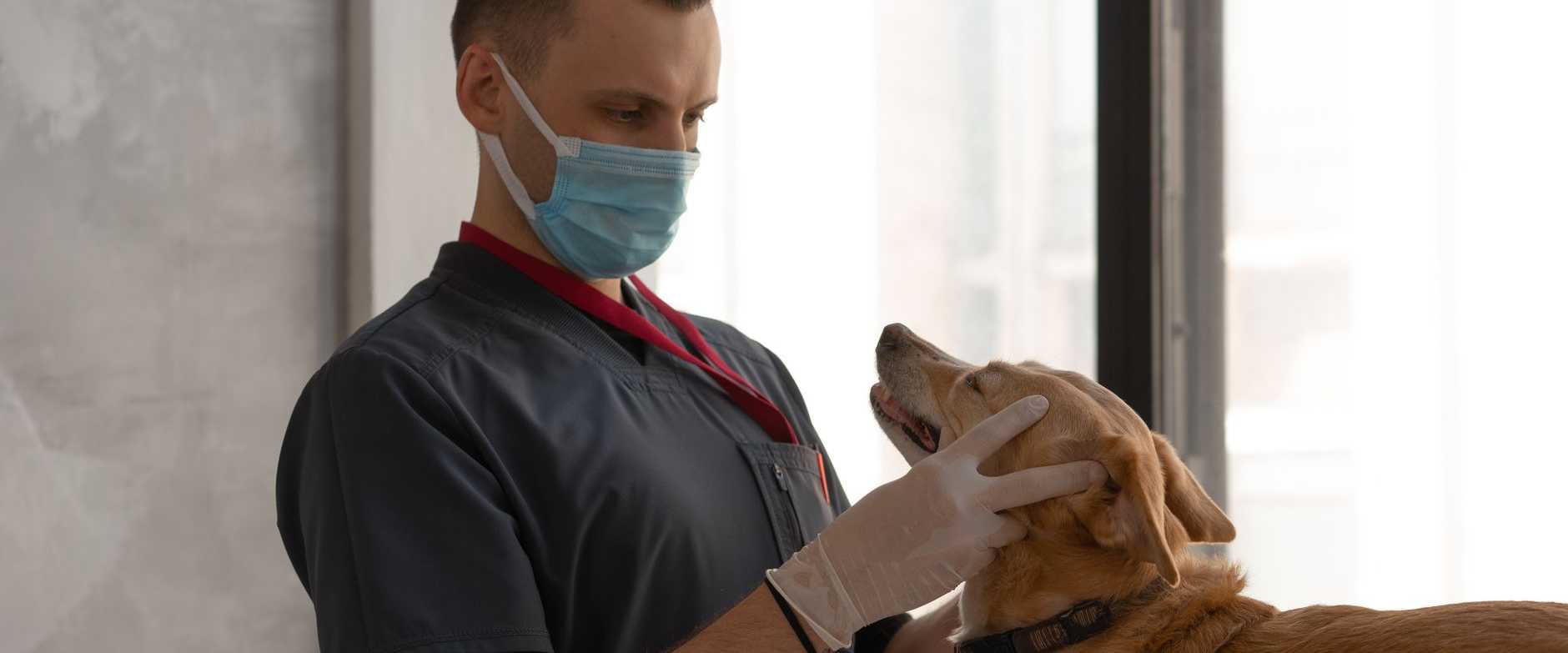
A vet visit is the only way to work out which of the three categories is behind the colour change, since it usually takes blood tests, and often an abdominal ultrasound, to tell a red blood cell problem apart from a liver problem or a blocked bile duct. Research looking at cats with high bilirubin has found that the higher the level, the more likely a physical obstruction is the cause, which is one reason vets take the degree of yellowing seriously rather than just noting that it is present. If you notice yellowing in your pet's eyes, gums, or skin, treat it as a reason to get checked promptly rather than something to watch and wait on, since some of the underlying causes progress quickly and a same day assessment can matter.