Malocclusion
A condition in which a pet's upper and lower teeth don't align properly when the mouth closes, which can cause pain and oral injury if untreated.
Also known as Bad Bite, Misaligned Teeth, Crooked Teeth, Jaw Misalignment
Malocclusion simply means the teeth don't line up the way they should when the mouth closes. In a normal bite, the upper and lower teeth interlock in a specific pattern so nothing pokes into gums, palate or lips. When that alignment is off, whether it's a single crooked tooth or a whole jaw that's the wrong length, teeth can strike soft tissue every time the animal chews or even just closes its mouth. That's why this isn't just a cosmetic quirk: untreated malocclusions can lead to pain, damaged teeth, gum and jawbone disease, and infection inside the tooth.
Vets sort malocclusions into a few broad types. Sometimes the jaws themselves are a normal length but one or more individual teeth sit in the wrong spot, tipped, rotated, or crowded against a neighbour. Other times the problem is skeletal: the lower jaw is shorter than the upper, longer than the upper, or uneven side to side, so the entire bite is thrown off. The World Small Animal Veterinary Association's classification system groups these into four classes, and it matters clinically because a single misplaced tooth is often managed very differently to a jaw-length mismatch that's pushing a canine tooth straight into the roof of the mouth.
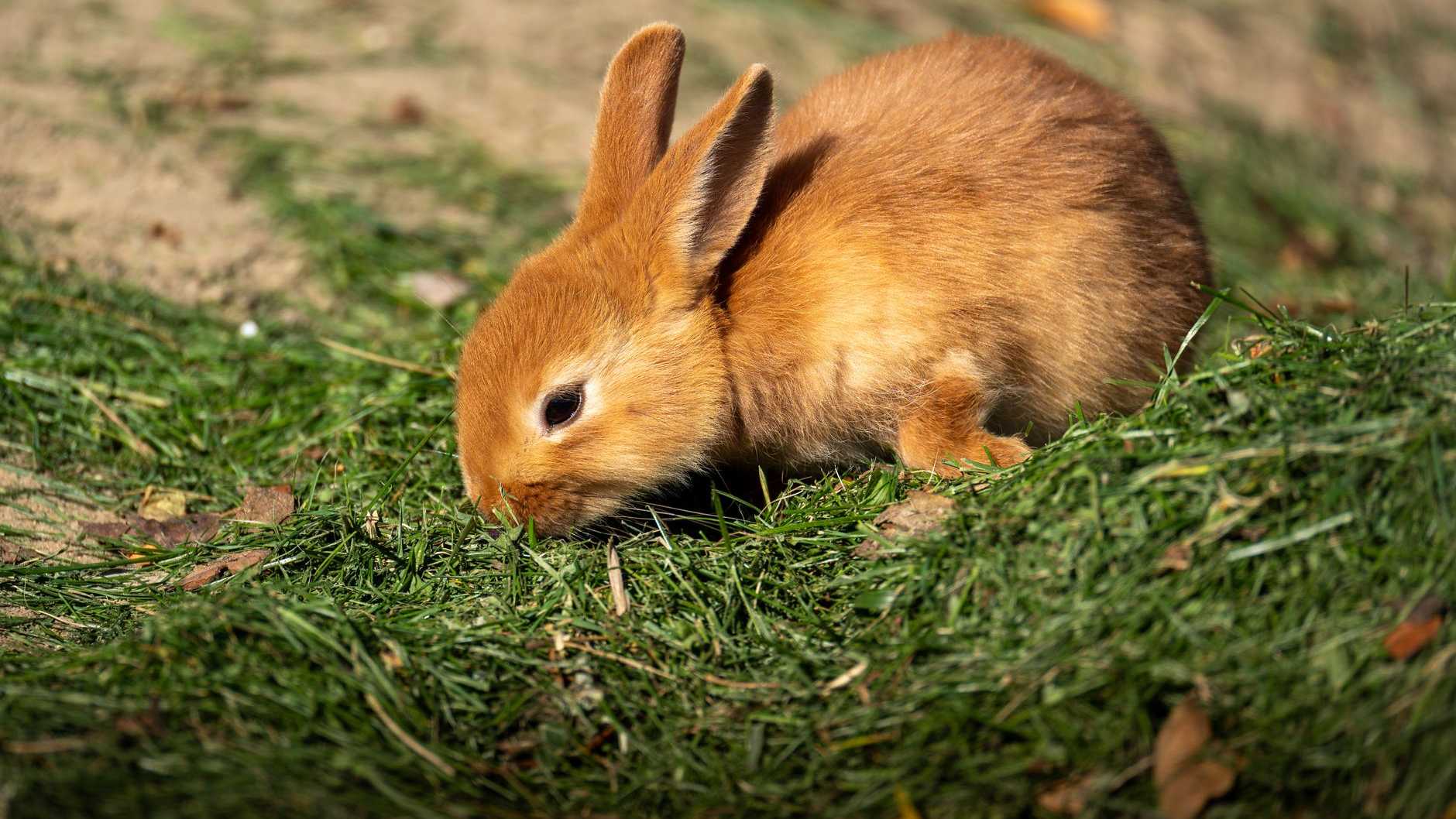
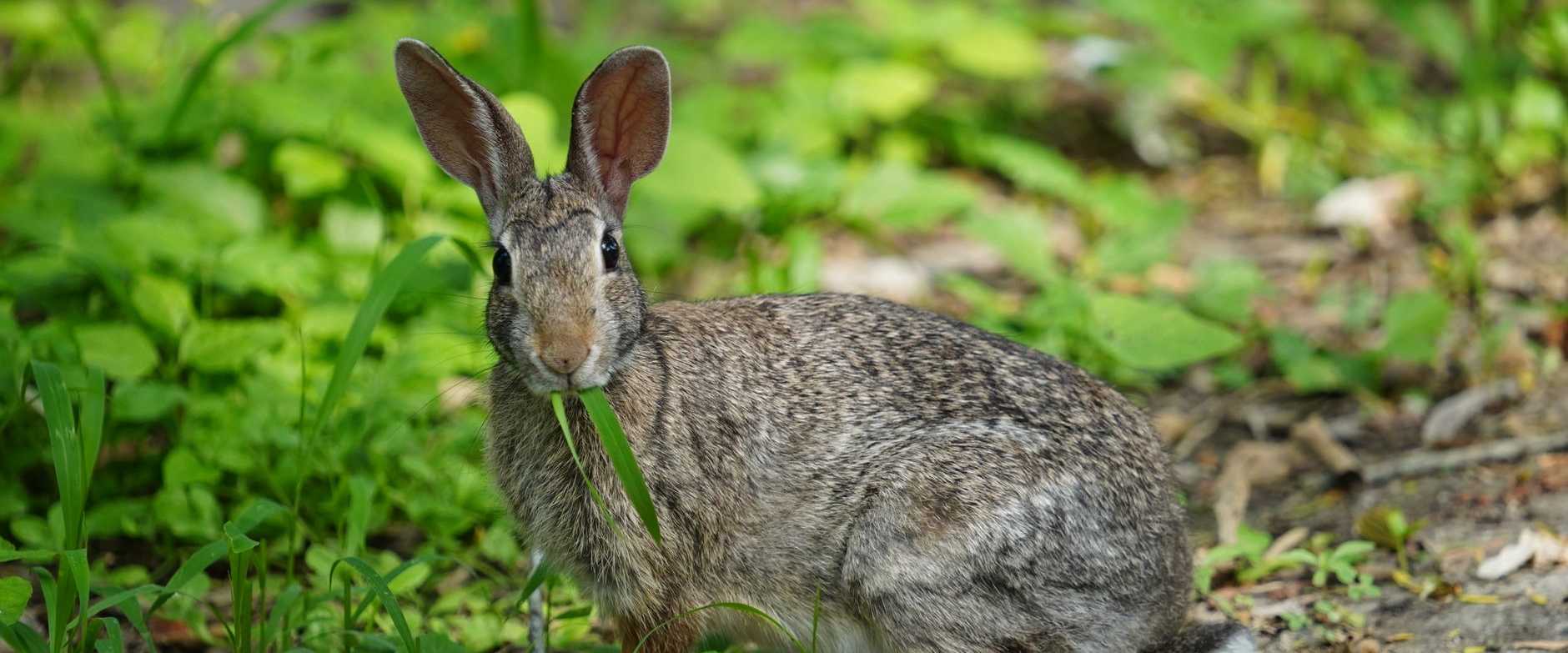
Some malocclusions are baked in from birth, particularly in breeds with very short or very long muzzles, where there simply isn't room for teeth to sit where they should. Others develop later; baby teeth that don't fall out on schedule can act like a splint, trapping the jaw and steering the adult teeth into the wrong position as they come in, which is why a vet may pull a stubborn puppy tooth well before it looks like a problem to you. In rabbits and other continuously-growing-tooth species the picture is different again: because their teeth never stop erupting, even a small misalignment stops them wearing evenly, and the overgrown tooth can curl, cut into the cheek or tongue, or overload the jaw, a mechanism described in rabbit dental literature as a genuinely serious, sometimes life-threatening problem if it isn't caught.
Watch for drooling, a tooth catching on the lip or gum, reluctance to pick up food, pawing at the mouth, or one side of the face looking swollen. Puppies and kittens are worth a dental check around the time their adult teeth come in, since this is when jaw growth is still settling and treatable interlocks can still be corrected. None of this is something to diagnose from a photo or a quick look at home: a proper assessment needs a hands-on oral exam, and often x-rays, to see what's happening below the gumline. The guides and clinics listed below go into how each species and each type of malocclusion is actually treated.