Shell Damage
Shell damage covers cracks, fractures, and wounds to a turtle or tortoise's shell, always a veterinary emergency needing prompt professional care.
Also known as shell injury, shell fracture, shell crack, shell trauma, cracked shell
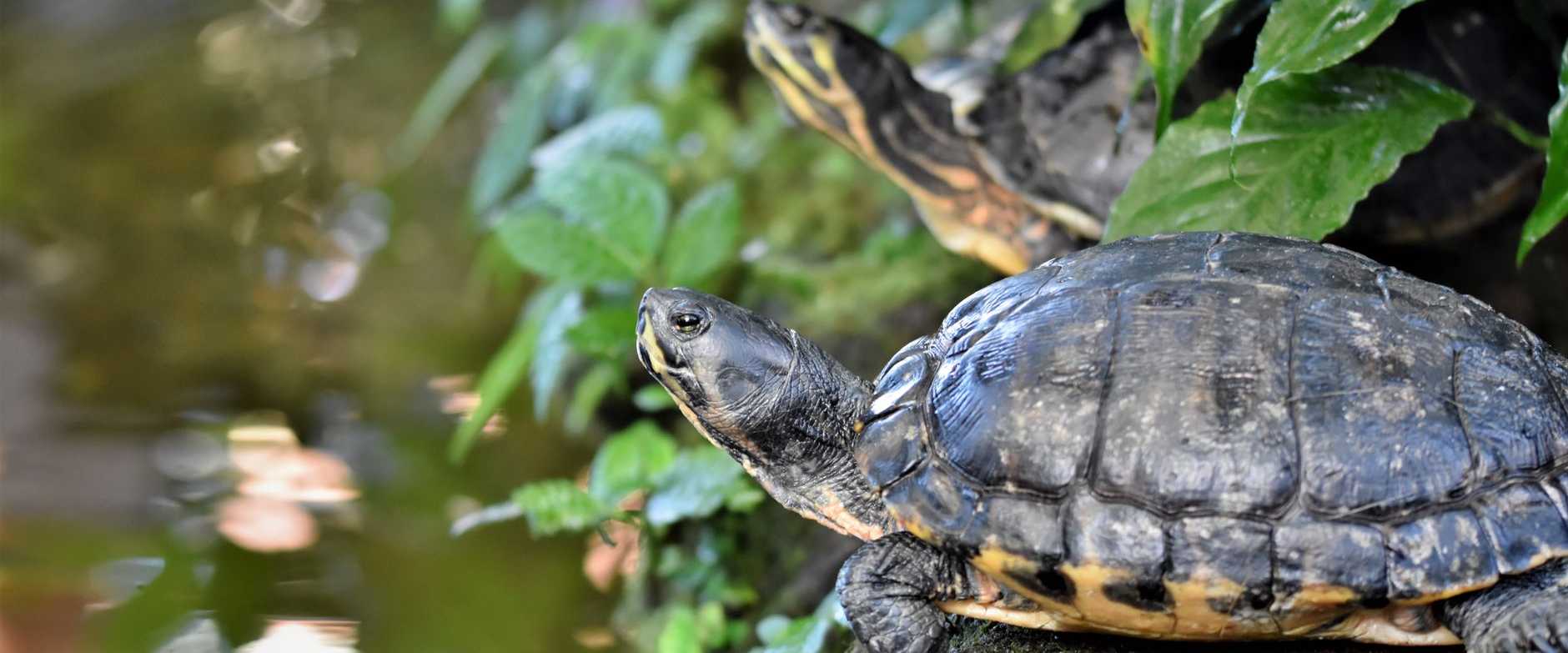
A tortoise or turtle's shell isn't just armour sitting on top of the body, it's living bone fused to the spine and ribs, covered by keratin plates called scutes (the same material as your fingernails). That means a crack in the shell isn't like a chip in a fingernail. It can go all the way through to bone, blood vessels, nerves, and sometimes the lungs or gut sitting just underneath. This is why shell injuries are treated as genuine emergencies in reptile medicine, not something to wait and watch.
Shell damage shows up in a lot of everyday ways. Common causes include falls or drops, being hit by a car or lawnmower, dog or other predator bites, one tortoise ramming another, or burns. It can look like a hairline crack, a deep puncture, a missing chunk of shell, or an oozing sore from a long-standing infection or abscess. Even damage that looks small on the surface can hide a fracture underneath, and a dog bite can cause serious internal bruising or organ injury without ever breaching the shell itself.
Because the shell is so vascular and directly connected to the body cavity, any crack is a potential doorway for bacteria and a source of real blood loss. Vets treat it much like a wound or fracture in a mammal, cleaning thoroughly, controlling pain and infection, and sometimes stabilising loose fragments with surgical wire or specialist dressings, but reptile anatomy and slower reptile metabolism mean the details and timelines are different. Healing is typically measured in months rather than weeks, and getting the temperature, humidity, and diet right during recovery matters as much as the wound care itself.
A few signs mean you should get your pet to a vet straight away rather than trying to manage things at home:
- Any visible crack, hole, or missing piece of shell, even if it looks minor
- Bleeding, oozing, or a foul smell from the shell
- Reluctance to move, unusual lethargy, or refusing food after an incident
- A soft, flaky, or discoloured patch on an otherwise hard shell
- Any known impact, fall, or animal bite, even without obvious damage
Home fixes like superglue or tape are not a safe substitute for proper treatment. Sealing a dirty crack can trap bacteria inside and lead to a fatal infection, and adhesives generally don't bond well to keratin anyway. The right first step is always a vet visit, ideally with an exotics or reptile specialist, so the shell can be assessed properly and cleaned, stabilised, and monitored the right way.