Med. Vet. João Ricardo Kunz - Pferdezahn Tierarzt
Mobile practice serving the Augsburg, Aichach, Dillingen an der Donau area
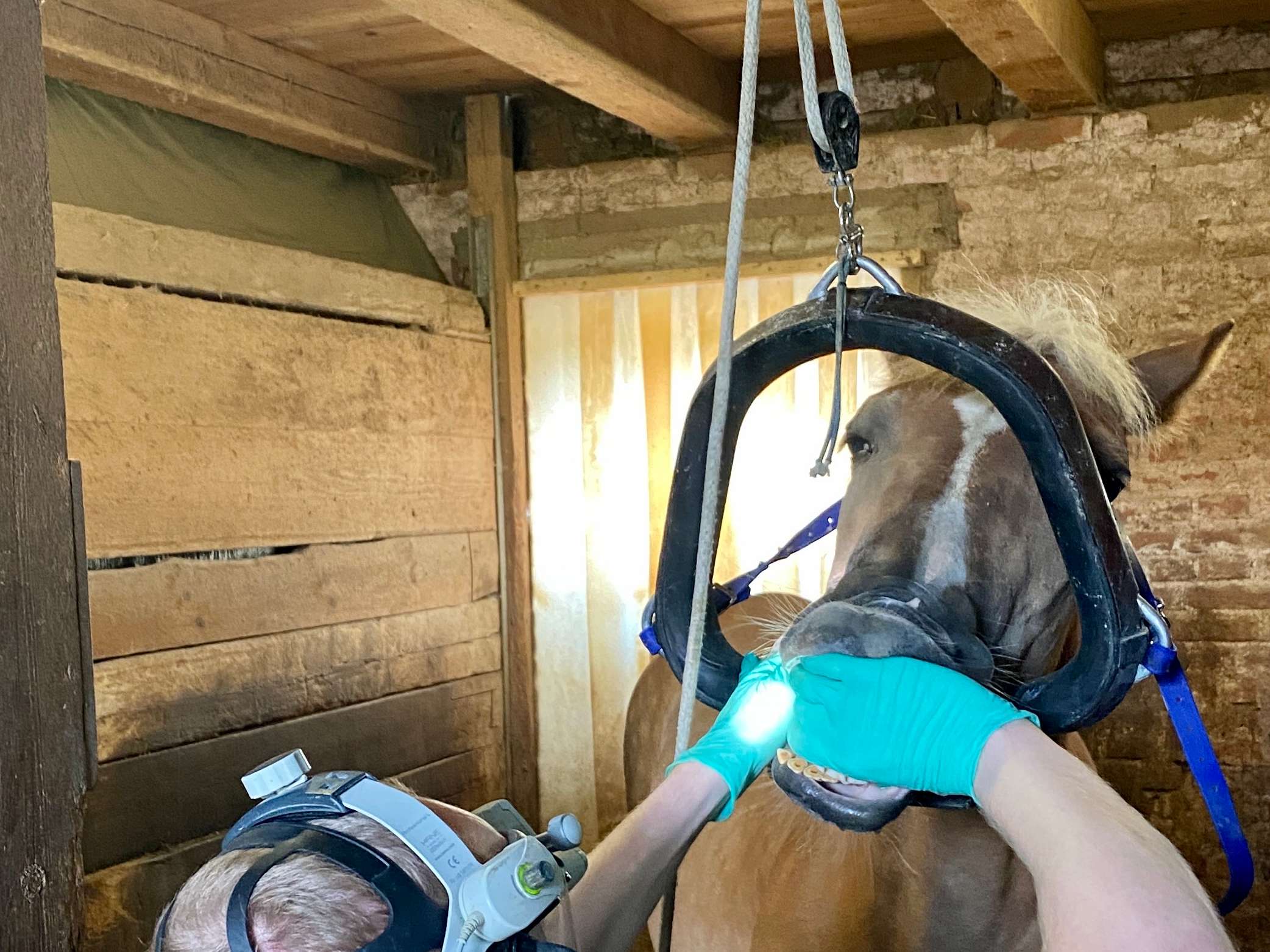
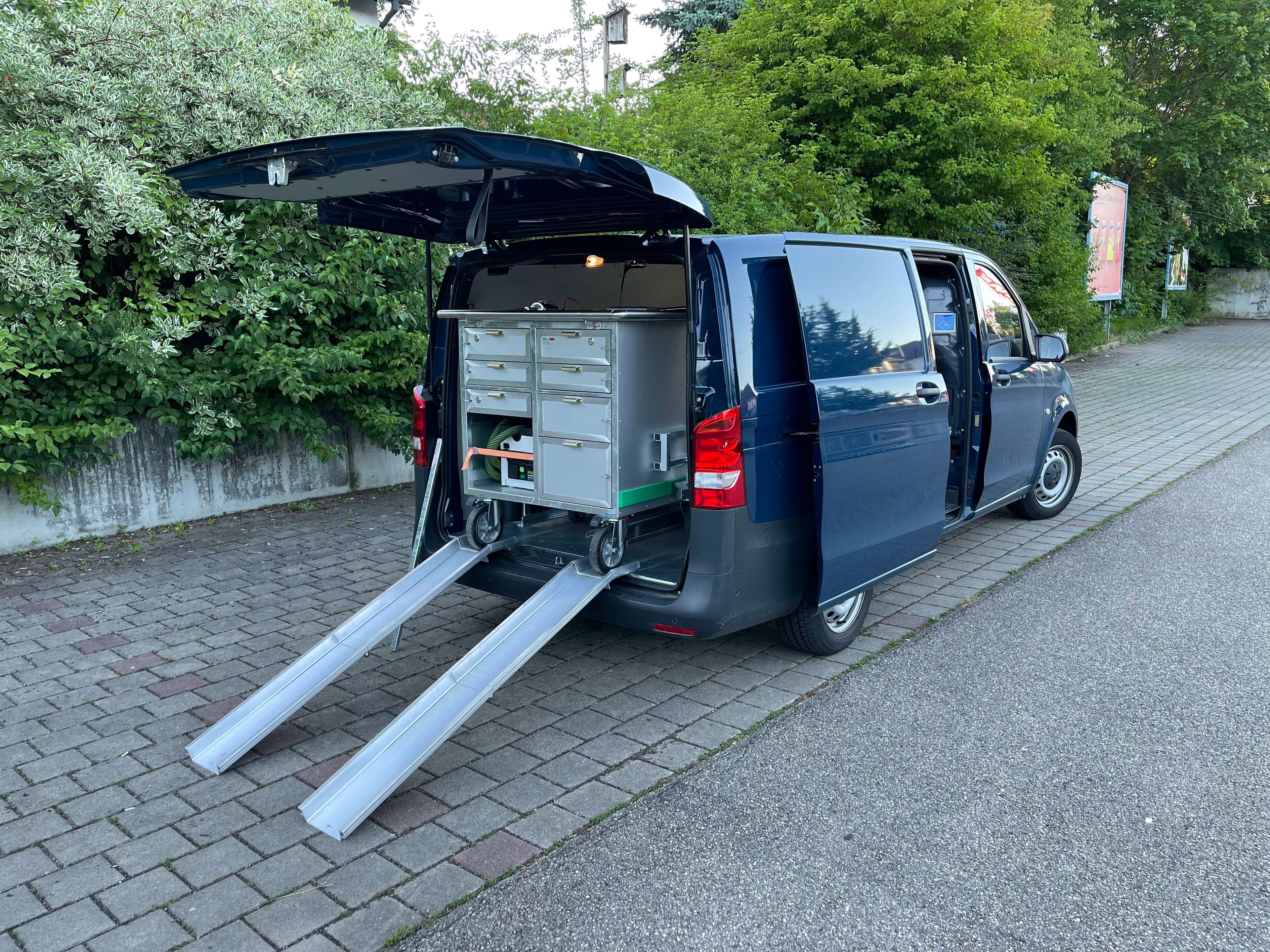
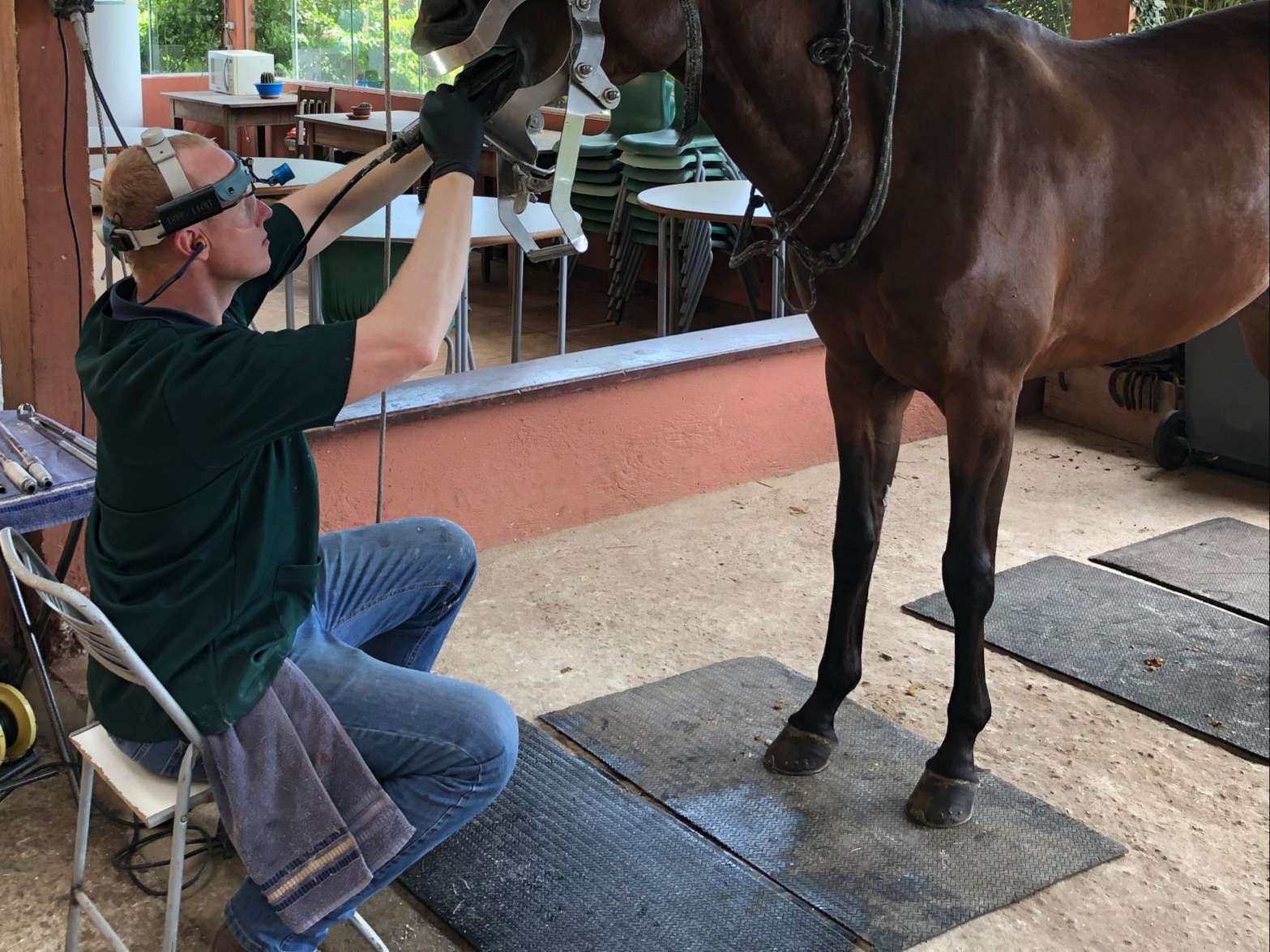
The mobile practice of Dr. med. vet. João Ricardo Kunz treats horses and ponies directly in the stable – in Western Upper Bavaria, the greater Munich area, and Northern Swabia. Every treatment is preceded by a thorough preliminary examination; if treatment is needed, the heart and circulation are checked, the horse is sedated, and the findings in the oral cavity are discussed. The spectrum includes checking and correcting the occlusal surfaces, removing sharp enamel points and hooks, extracting wolf and deciduous teeth, and periodontal treatment. Because there is no need for transport to a clinic, the appointment is much calmer for the horse.
Treated animals
Large & Farm Animals
- horses
Medical focus areas and specializations
- dentistry
Opening hours
- Monday
- 8:00 AM–5:00 PM
- Tuesday
- 8:30 AM–5:00 PM
- Wednesday
- 8:30 AM–5:00 PM
- Thursday
- 8:30 AM–5:00 PM
- Friday
- 8:30 AM–5:00 PM
- Saturday
- Closed
- Sunday
- Closed
Appointments & new clients
Spoken languages
- 🇩🇪 German
Contact
- Book appointment
- Website
- Email
- Phone
- WhatsApp
- Instagram
Mobile service area
Med. Vet. João Ricardo Kunz - Pferdezahn Tierarzt
House calls
Augsburg, Aichach, Dillingen an der Donau
Team 2
Reviews
Mr. Kunz is the best equine dentist for us! Reliable, he takes incredibly good care of the horses and is always available!
We were very satisfied with our experience with our five horses. Mr. Kunz treated and cared for each horse with ample time, demonstrating a calm and understanding approach. His professional approach, both in terms of results and explanations, was also excellent.
Since Dr. Kunz, the equine dentist, has been treating and caring for our horses, we haven't had any dental problems at all, and we couldn't have asked for better. We highly recommend this dentist to all horse owners. Many, many thanks to Dr. Kunz and his wife for their excellent service. Best regards, the Meier family.
I've been taking my horses to Dr. Kunz for several years now. His way of working with horses is absolutely fantastic. Calm and highly professional, even when the horses are a bit nervous. He shows and explains everything to you. He always checks in to make sure the horses are doing well. He's also very pleasant and extremely friendly. These days, he treats most of the horses at our stable because he simply does such a great job. Even communication via WhatsApp is always super friendly and easy. All that's left to say is thank you! :)
Scheduling an appointment via WhatsApp was incredibly easy, and our preferred days of the week were taken into account. Mr. Kunz treated each horse professionally and always asked about their history and any past complications before the treatment. When he examined the horse's mouth, we, as the owners, were allowed to watch and were immediately informed about the progress of the treatment. He also handled my mare, who was quite anxious, calmly and reassured her that nothing bad would happen. He was incredibly friendly, highly competent, and possessed a wealth of experience that provided peace of mind for the horse owner. Thank you so much!
Frequently asked questions
Yes. The practice is mobile and has no fixed treatment address; examination and treatment take place directly in the stable, eliminating the need for transport to a clinic. The main area of operation covers Western Upper Bavaria, the greater Munich area, and Northern Swabia.
First, a preliminary examination determines whether and to what extent treatment is necessary. Afterward, the heart and circulation are checked and a sedative is administered. Then the oral cavity and head are examined, the findings are discussed, and the appropriate treatment is carried out.
Signs include chewing difficulties, feed dropping from the mouth, quidding, foul breath, excessive salivation, resistance to the bit, headshaking while riding, weight loss despite sufficient feed intake, or unilateral nasal discharge.
In young horses about every six to ten months, and from the age of five usually once a year. The first treatment is recommended before backing, generally at around three years of age.
Yes, wolf teeth and deciduous teeth are removed, as is tartar. However, firmly anchored cheek teeth are not extracted as part of routine dental treatment.
Yes. Ponies' teeth also continually grow, making regular checks and the correction of points and edges necessary to prevent pain and digestive issues.
For group appointments with more than eight horses, a dedicated tour to other regions can be organized; you can ask about this when scheduling an appointment.
Are you the owner or a team member of this practice? Claim this profile to manage it yourself.