Pferdedentalpraxis Martina Mayer
Mobile practice serving the Imst, Landeck, Haiming (Tirol) area
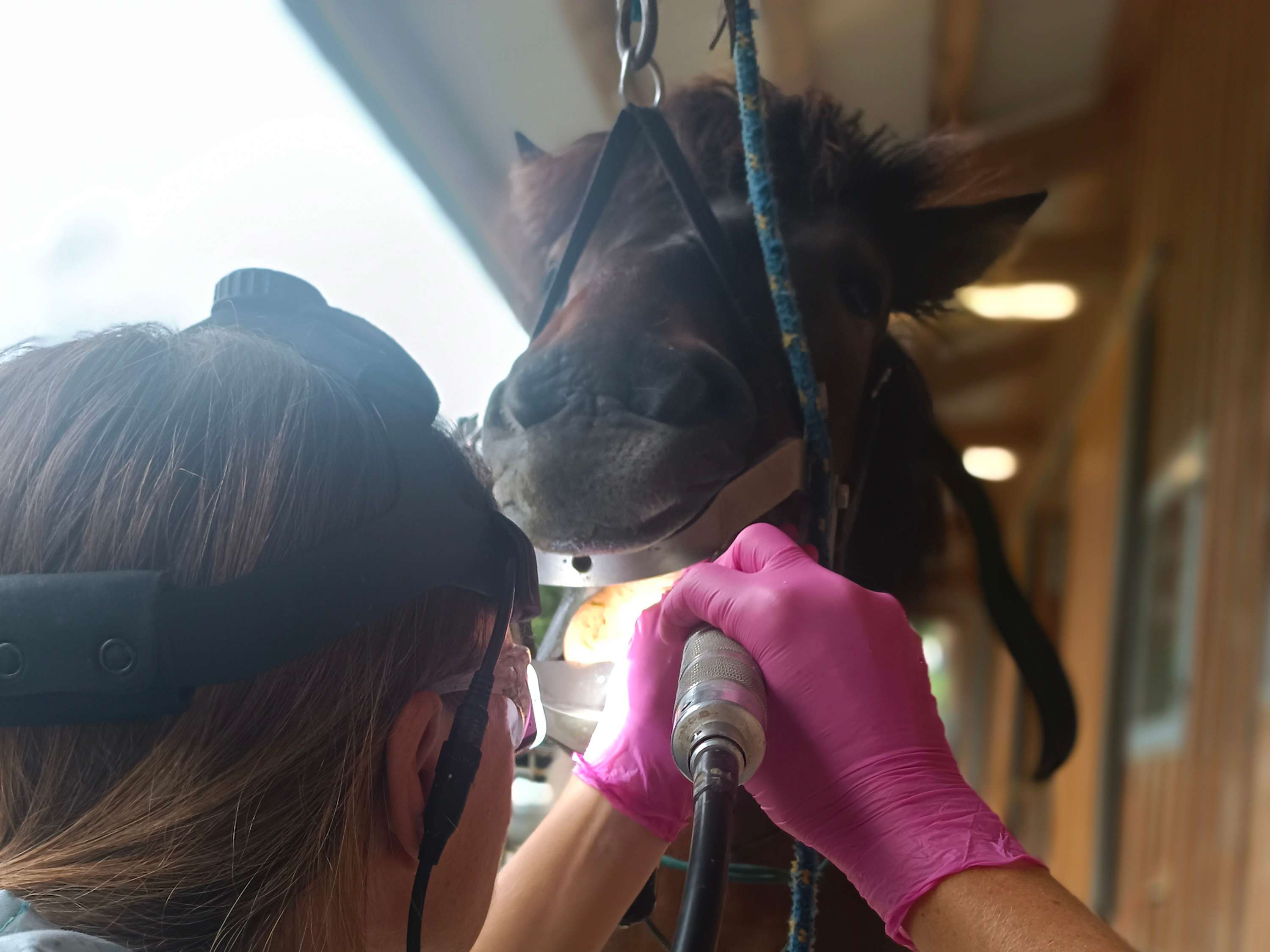
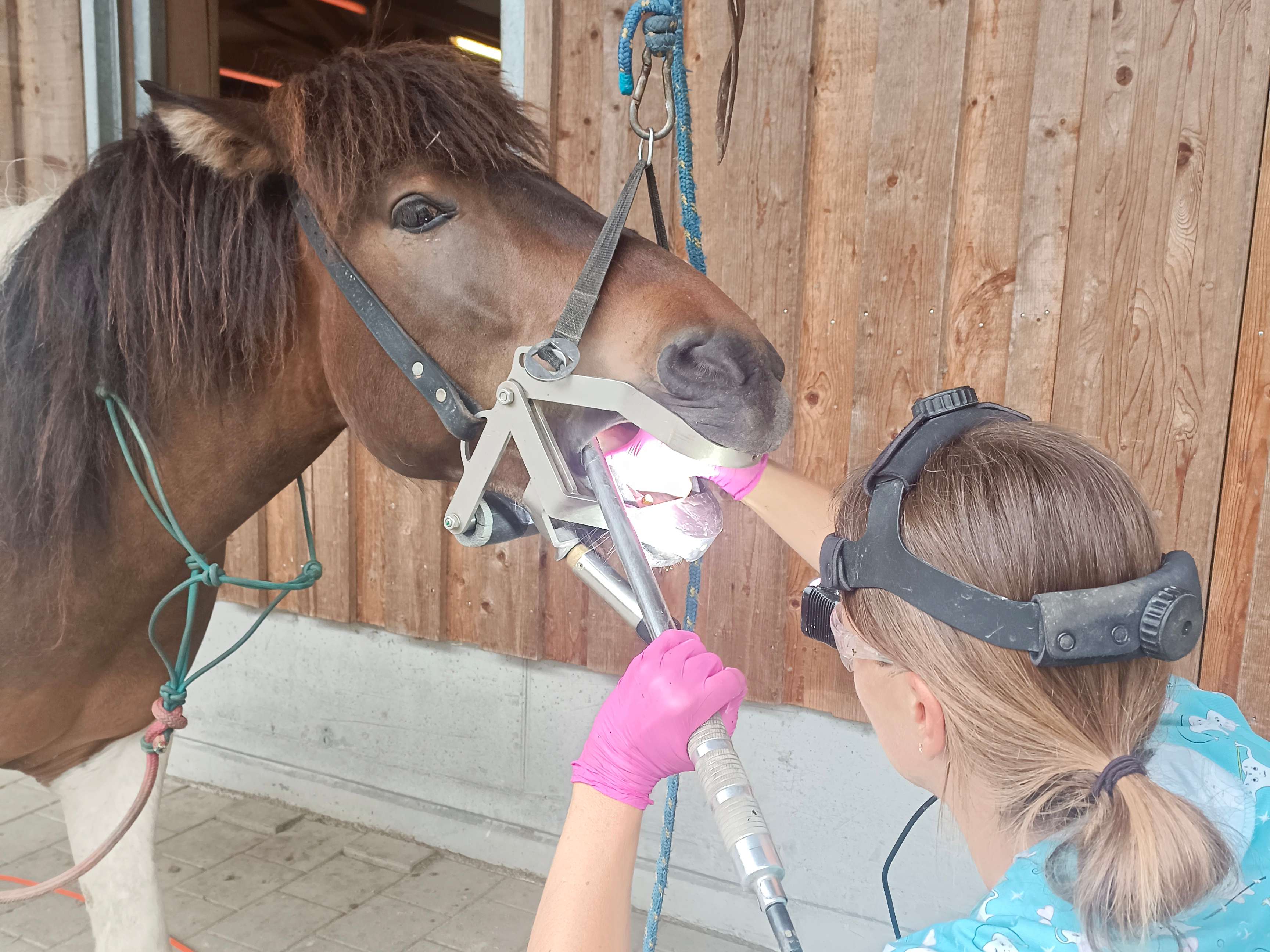
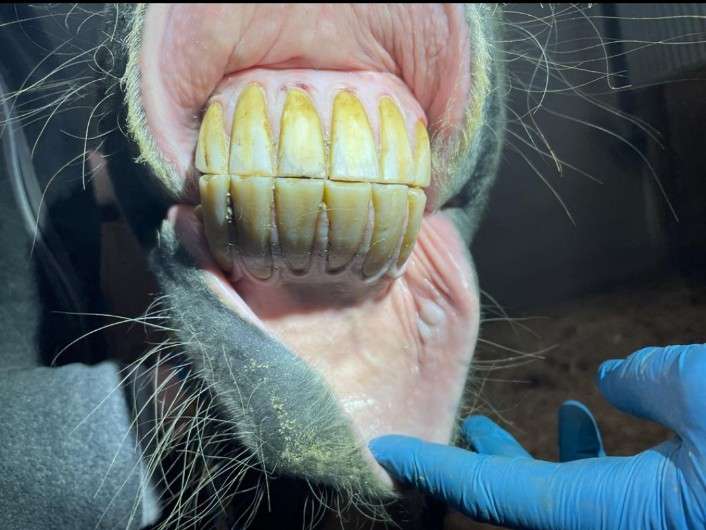
Martina Mayer runs an equine dental practice in Tyrol and Vorarlberg, treating teeth directly at the stable so the horse does not need to be transported. The focus is on the three-point balance between the temporomandibular joint, cheek teeth, and incisors, which she establishes after a thorough examination of the unsedated horse. For the treatment, she sedates every horse after a detailed clinical examination, ensuring that even the rearmost cheek teeth can be safely assessed and treated. Alongside routine checks and dental corrections, she performs tooth extractions, periodontitis treatments, and diastema milling. She records her findings in a dental sheet that stays with the owner.
Treated animals
Large & Farm Animals
- horses
Medical focus areas and specializations
- dentistry
Spoken languages
- 🇩🇪 German
Contact
- Book appointment
- Website
- Email
- Phone
Mobile service area
Pferdedentalpraxis Martina Mayer
House calls
Imst, Landeck, Haiming (Tirol)
Team 1
Reviews
Absolutely fantastic!!! We are so happy – top-notch both personally and professionally. Always focused on the horse, not on revenue. It's truly wonderful to have found such a competent person. 👏🐴
She's wonderful! The perfect dentist for our ponies. Always a great help with any problems and very gentle with the ponies.
I am very satisfied with the treatment my horses receive. The veterinarian is empathetic, competent, and takes her time. You feel well cared for, and I can highly recommend her.
Very friendly and professional. Calm handling of the horses and everything explained clearly. Highly recommended! 😀
A highly competent equine (dental) veterinarian, very friendly and helpful. She has excellent expertise and has always helped us with any questions we had. She's also available for us in emergencies. I can recommend her without reservation 😊 and she also has a wonderful way with horses.
Frequently asked questions
This is the only way to assess the rearmost cheek teeth and the occlusion of the entire oral cavity, to insert the mouth speculum, and to relax the temporomandibular joint and chewing muscles. Sedation also reduces stress for the horse as a prey animal and minimizes the risk of injury to both human and animal. The dosage is chosen so that the horse can safely return to its stall afterwards.
A thorough examination of the oral cavity is recommended once a year. Martina Mayer checks young horses and seniors every six months, and at shorter intervals following extractions.
Signs include dropping hay, quids of hay left at the feeding spot, slow eating, head shaking, resistance when being bridled, salivation, weight loss, undigested feed particles in the manure, or a foul odor from the mouth. Because horses compensate for pain in the mouth area for a long time, the absence of symptoms does not rule out dental problems.
Place the horse in a quiet stall familiar to it, equipped with a sturdy crossbar above for hanging the dental halter. A nearby power outlet, several buckets, and old towels are helpful. The vaccination record should be ready, as tetanus prophylaxis is a prerequisite for safe treatment.
Horses usually wake up within a short time and can be offered small amounts of feed again after one to two hours. Mild sweating can occur; until the horse is mobile enough to rejoin the herd, it should be kept separate.
Dental misalignments are particularly common in miniature ponies and breeds with short, refined heads because the cheek teeth have little space on the dental arcade and tilt inward or outward. Such misalignments can often be detected during the initial examination and managed well with targeted treatment, sometimes spanning multiple appointments.
Are you the owner or a team member of this practice? Claim this profile to manage it yourself.