Pferdepraxis Stoll
Practice in Bleidenstadter Weg 7, 65329 Hohenstein, Germany
House calls across the Wiesbaden, Limburg an der Lahn, Ingelheim am Rhein area
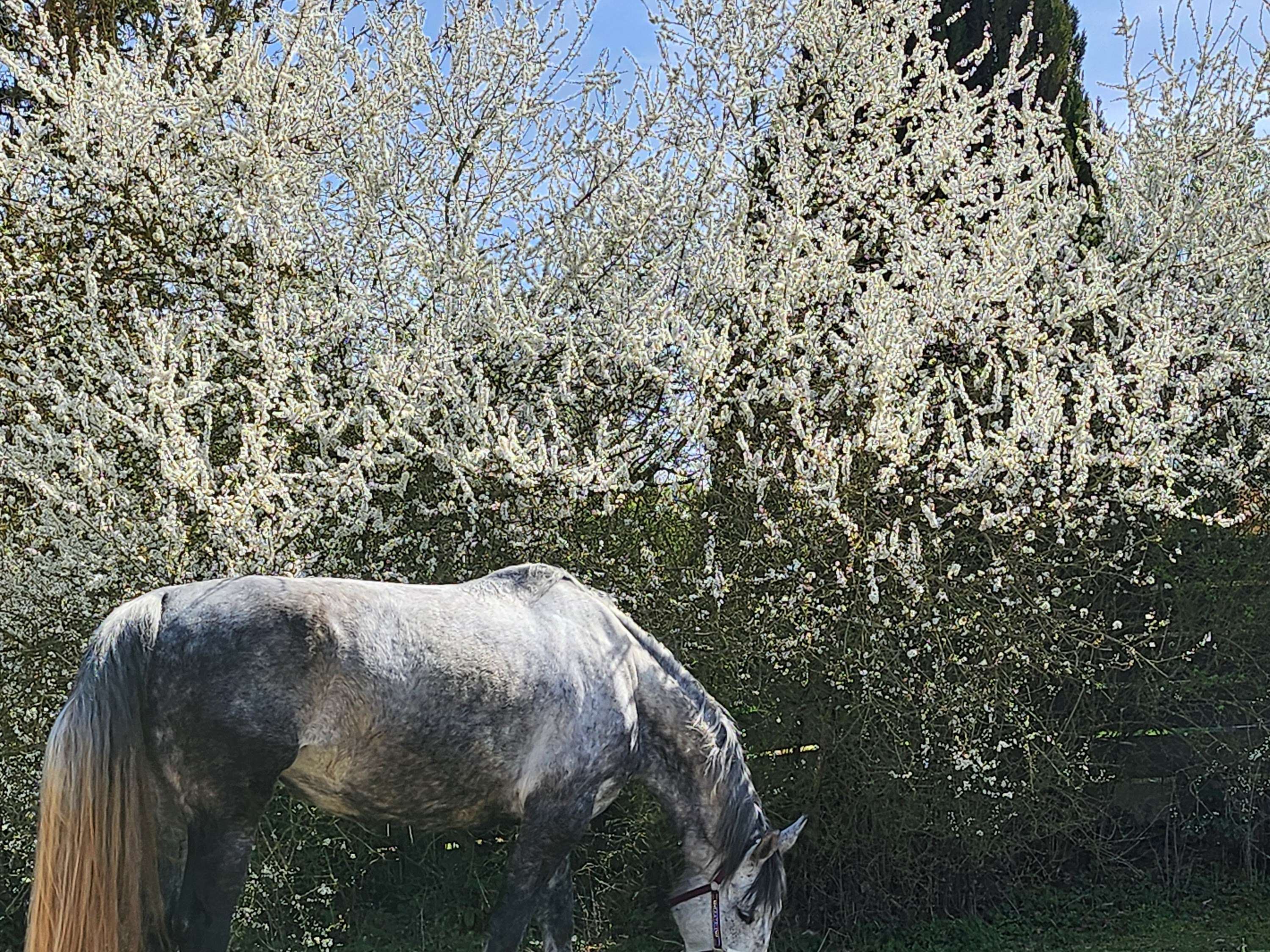
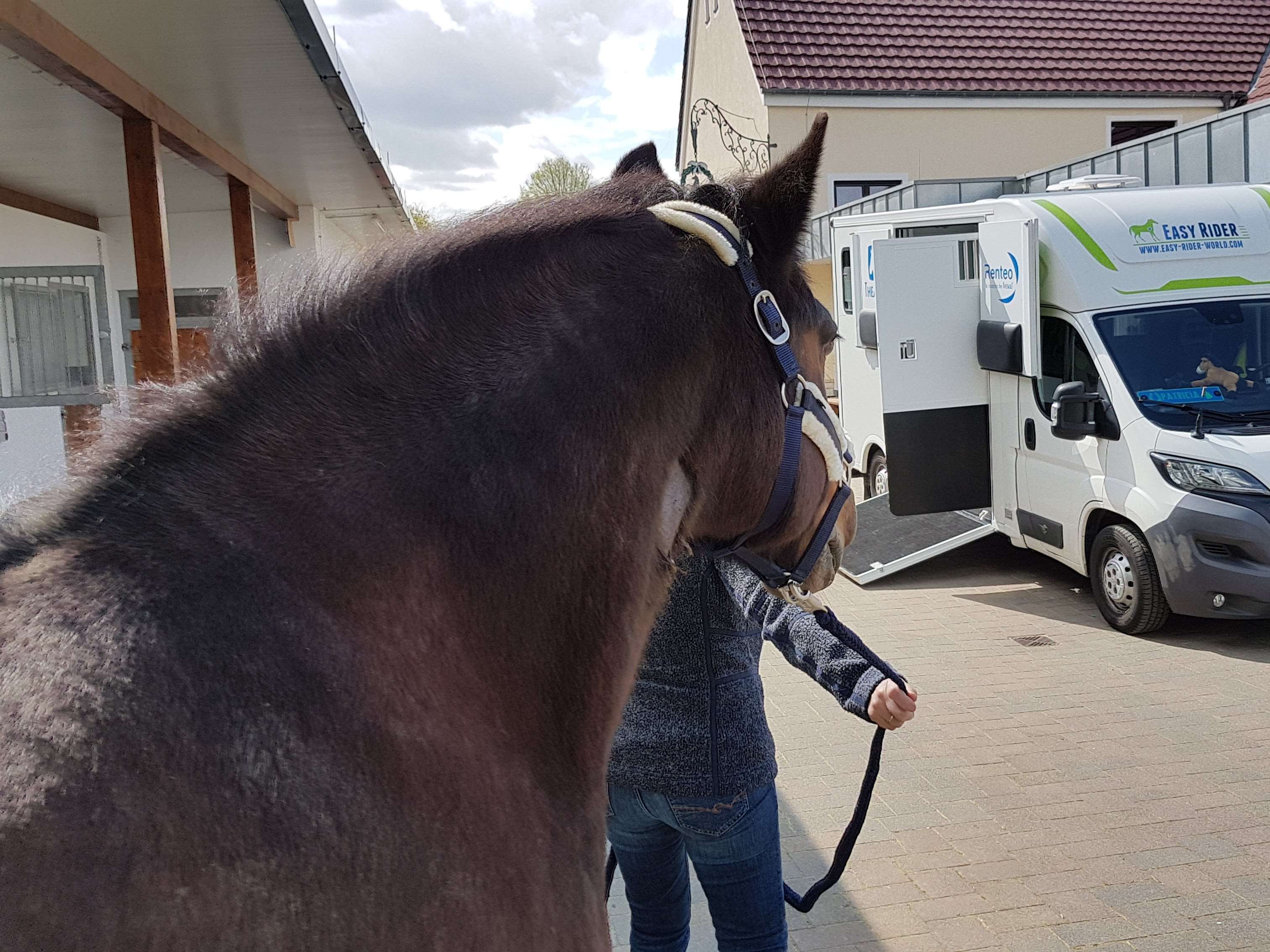
The equine practice and dental clinic in the Untertaunus region focuses on modern dentistry. Many procedures, ranging from tooth extractions to the treatment of jaw fractures, are performed on the standing, sedated horse. For more complex treatments, an inpatient facility with its own operating theatre, treatment stocks, and boxes is available, while the ambulatory practice visits stables and pastures equipped with digital X-ray and ultrasound. In addition to horses, the practice also cares for donkeys, goats, and dogs and cats with dental issues.
Treated animals
Small Animals & Pets
- cats
- dogs
Large & Farm Animals
- goats
- horses
Medical focus areas and specializations
- anesthesia
- dentistry
- endoscopy
- gynecology
- homeopathy
- internal medicine
- ophthalmology
- orthopedics
- surgery
- ultrasound
- vaccinations
- x-ray
Services
- HospitalizationOvernight or multi-day monitoring and care
Appointments & new clients
Spoken languages
- 🇩🇪 German
Contact
- Website
- Email
- Phone
- Fax
Practice location and mobile service area
Pferdepraxis Stoll
Practice location
Bleidenstadter Weg 7
65329 Hohenstein
Germany
House calls
Wiesbaden, Limburg an der Lahn, Ingelheim am Rhein
Team 2
Reviews
Highly competent diagnostics, consultation, and ultimately, surgery. I felt my horse was in very capable hands and felt comfortable leaving him there. All interactions were friendly and helpful, despite the short notice required! Thumbs up!
A highly conscientious and well-trained specialist for equine dental problems. Absolutely recommendable.
After a serious accident in his stall, our competition horse suffered a complicated jaw fracture and ultimately spent eight weeks at Dr. Stoll's clinic. Only thanks to the intensive care provided not only by the entire practice team but also by the Stoll family did "Pauli," who had to be hand-fed for several hours a day for weeks, not only survive but will also be rideable again. This was only possible due to the dedication of the entire team and the outstanding care our horse received. Throughout his stay, Pauli was always kept in a manner perfectly suited to his needs, either in the paddock or the pasture, even though this required even more time. The horse's well-being was always the absolute priority. We thank Dr. Stoll, his entire family, and the practice team from the bottom of our hearts and can wholeheartedly recommend this clinic, which is truly exceptional.
Great, highly competent and very horse-friendly
A super competent team, excellent and professional work! You feel very well cared for and looked after; a very friendly team. Upon arrival, the horse was immediately put in the paddock; everyone is very attentive to the horse's well-being. 100% recommended!
Frequently asked questions
As a rule, yes. Sedation and local anesthesia make many procedures possible on the standing horse. If a severely damaged tooth can no longer be grasped with forceps, the minimally invasive buccotomy with screw extraction via a small cheek incision, developed by Manfred Stoll, is used.
Please send the completed admission form and privacy policy in advance, and bring the equine passport and, if applicable, your insurance certificate. On the day of treatment, your horse should skip concentrates; soaked hay cobs are a good meal the evening before or in the morning. When transporting, it is better to leave hay out of the trailer.
Yes. The practice has an intensive care and surgical unit featuring its own equine operating room, treatment stocks, and horse boxes.
Yes. Donkeys differ significantly from horses in their metabolism, processing of medications, and healing behavior. During castration, for example, the spermatic cord vessels bleed heavily, so the technique is adjusted and ligated under general anesthesia. Feeding, laminitis, and dental health in older donkeys are also part of our care.
Yes. Dental treatments, tooth extractions, and fillings are performed on dogs and cats. For broken teeth, root canal treatment or a crown is often necessary, which is carried out under gentle anesthesia.
Teeth erupt by about two to three millimeters each year, and wear is rarely even. Sharp edges press into the cheeks under the bit, and horses show mouth pain only late on. An annual check-up uncovers such changes before the mucous membranes and teeth suffer damage.
In many cases, the Pinless External Fixator allows the fracture to be treated on the sedated, standing horse. This protects the tooth roots and eliminates the risk of standing up after general anesthesia. If the break is in the interdental space, additional wire fixations are used, likewise on the standing horse.
Veterinary practices nearby



Are you the owner or a team member of this practice? Claim this profile to manage it yourself.