Tierärztliche Praxis Silke Pohl
Mobile practice serving the Lübeck, Bad Oldesloe, Mölln area
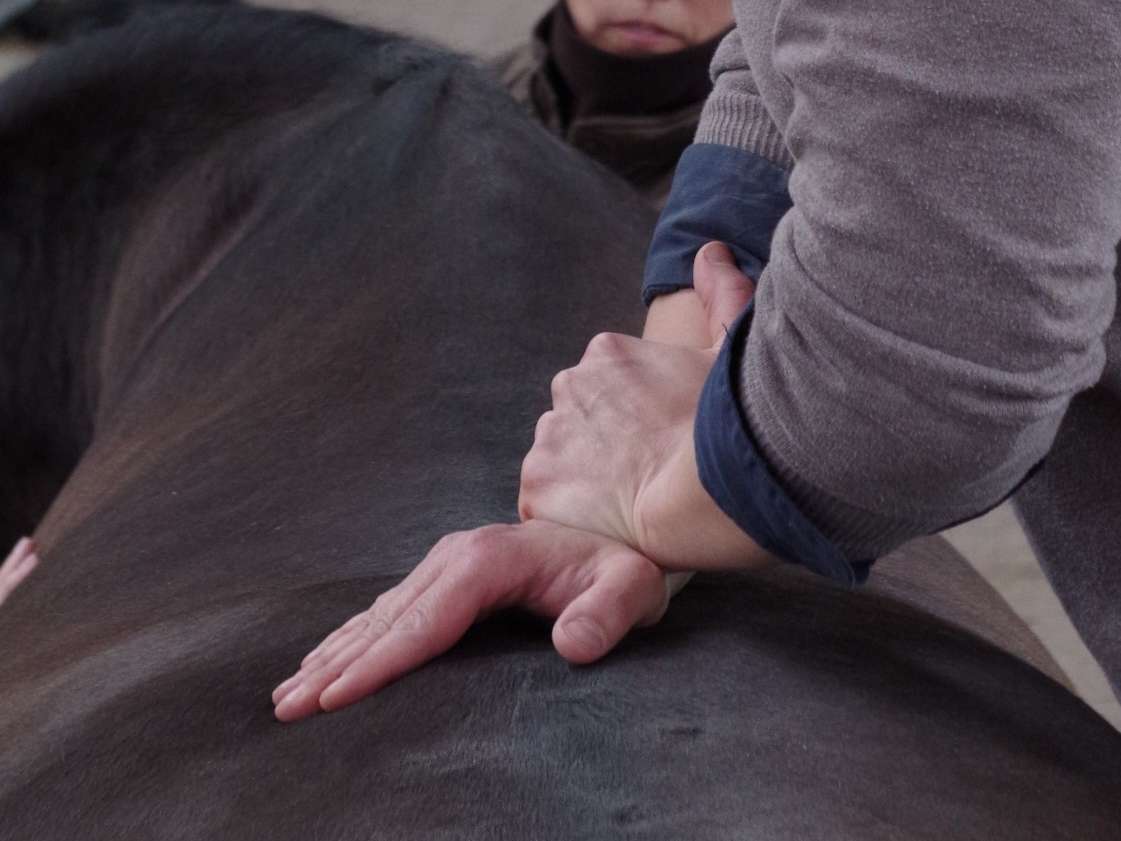
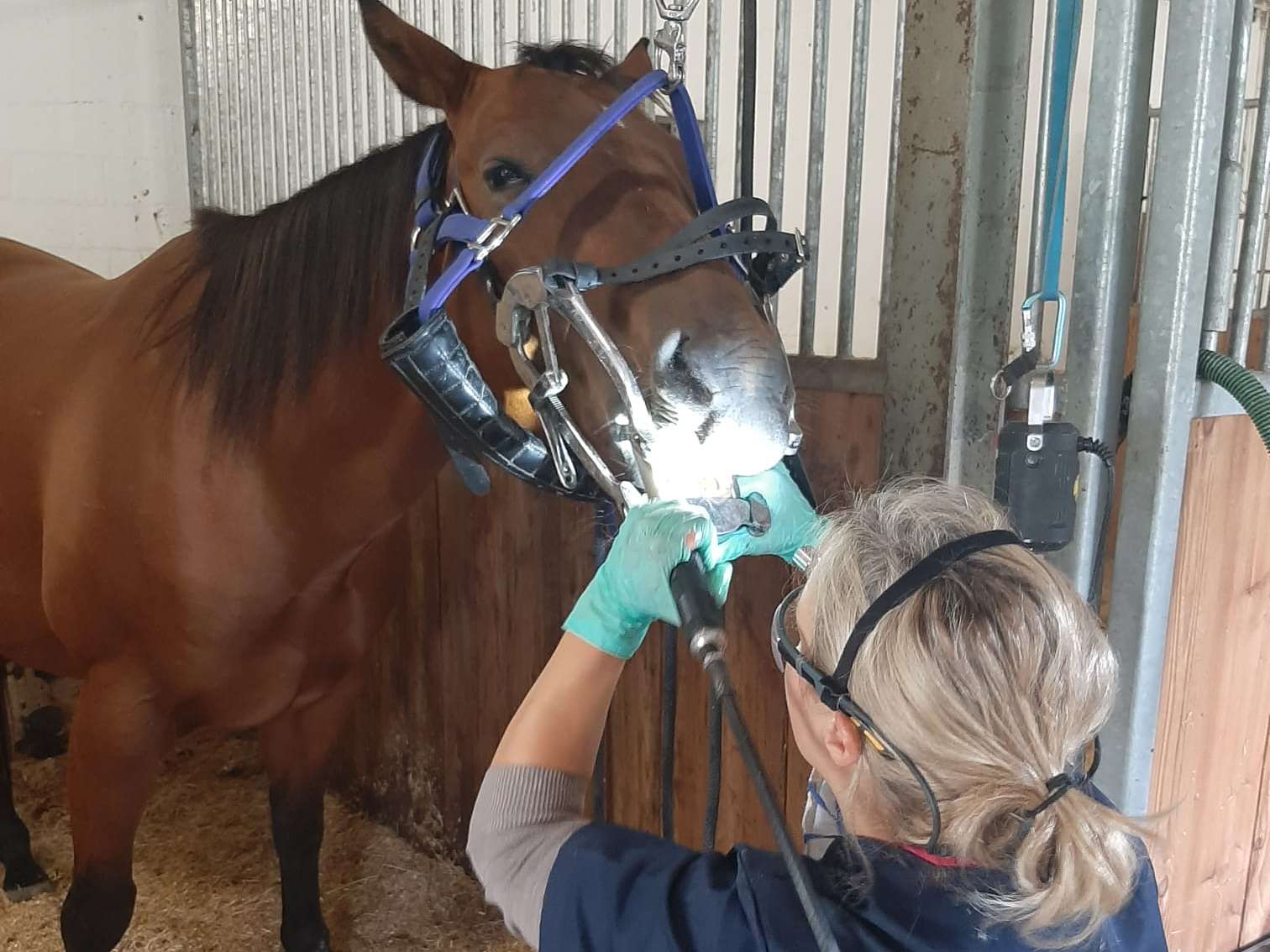
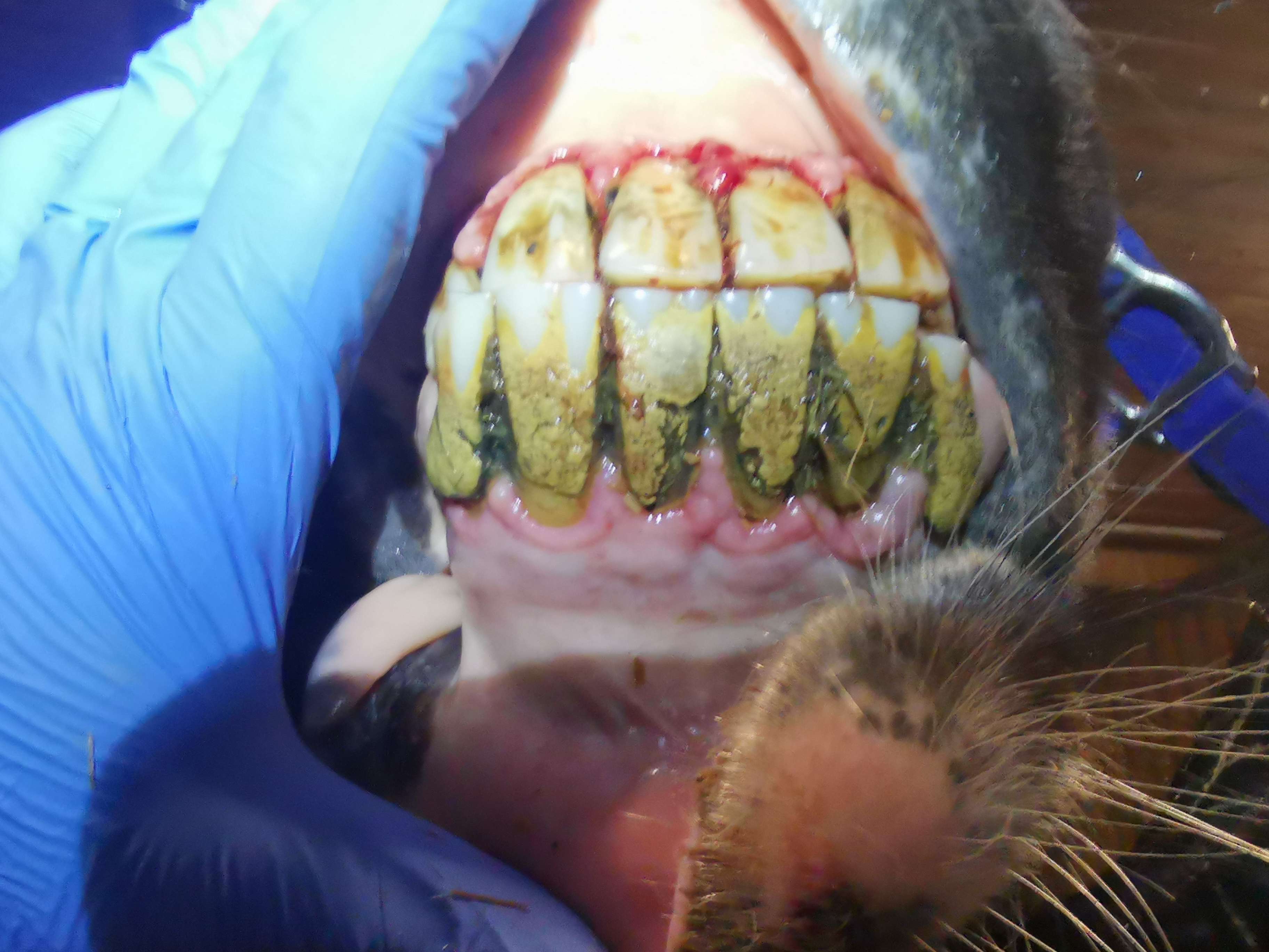
The Tierärztliche Praxis Silke Pohl operates as a mobile practice: Dr. Silke Pohl treats horses and dogs in Lübeck, Schleswig-Holstein, and Hamburg at home or in the stable. Her focus is on chiropractic care, using short, gentle impulses to release movement restrictions in the spine and joints, complemented by massage and acupressure techniques. For horses, dental treatments and saddle analyses are added to ensure that the bit, back, and saddle fit together. Before treatment, she checks whether further diagnostics are necessary and takes plenty of time for the first appointment; she understands chiropractic as a supplement to conventional veterinary medicine.
Treated animals
Small Animals & Pets
- dogs
Large & Farm Animals
- horses
Medical focus areas and specializations
- chiropractic & osteopathy
- dentistry
- orthopedics
- physiotherapy
Opening hours
- Monday
- 8:00 AM–6:00 PM
- Tuesday
- 8:00 AM–6:00 PM
- Wednesday
- 8:00 AM–12:00 PM
- Thursday
- 8:00 AM–6:00 PM
- Friday
- 8:00 AM–12:00 PM
- Saturday
- Closed
- Sunday
- Closed
Spoken languages
- 🇩🇪 German
Payment methods
Contact
- Website
- Email
- Phone
Mobile service area
Tierärztliche Praxis Silke Pohl
House calls
Lübeck, Bad Oldesloe, Mölln
Team 1
Reviews
Dr. Pohl is friendly and humorous with pet owners, and incredibly kind and understanding to her four-legged patients. She seems highly competent in her work – which was confirmed by the immediate improvement in the condition of our pony after she treated it, leading to a follow-up appointment for this pony and another one of ours 😊 Dr. Pohl patiently answers "silly questions," doesn't insist on rigid "it always has to be this way," and adapts her training advice to the specific circumstances. In our opinion, the price-performance ratio is absolutely fair. We feel that our ponies are in the very best hands with her and would/will use her again anytime 🌻
I can highly recommend Dr. Pohl. I had her come out for my rehabilitation horse's dental treatment. It was fantastic that we got an appointment quickly and didn't have to wait months. Dr. Pohl was very competent and did a wonderful job. She was always there not only for my horse, Franky, but also for me as the owner, answering my questions and showing me many things. Since Franky had just recently come to live with me as a rehabilitation horse, she took a lot of time for us. After the treatment, we immediately noticed a significant difference, and my horse has made great progress. I was very pleased that Dr. Pohl contacted us again after four weeks to check in. We feel very well cared for :)
We felt very well cared for by Ms. Pohl. She treated our Flo with great empathy and took plenty of time during the treatment. Thank you so much for the excellent care!
It's child's play to achieve such a good average rating when negative comments are immediately eliminated! Therefore, please read quickly: In my opinion, Dr. Pohl's treatments take far too long (e.g., 4.5 hours for a young horse!), are consequently far too expensive, and the horse was re-sedated countless times, although Dr. Pohl ultimately forgot when she had administered the last sedation (!). The horse has not been able to eat properly since the treatment, is emaciated, and drools. AND: Dr. Pohl repeatedly SLAPPED the horse while sedated because it didn't cooperate properly!!! Conclusion: NOT RECOMMENDED!!!
Ms. Pohl couldn't help me because it was a cat, but she did everything she could to support me, which others didn't do that day. She referred me to a good veterinary practice and gave me great tips. Thank you so much for that and for understanding my problem! 🐱
Frequently asked questions
After a short discussion about the medical history, the veterinarian palpates the animal while standing, checks the mobility of the cervical spine and reflexes, and then observes it at a walk and trot on hard, level ground, and additionally on the lunge line for horses. Afterward, the pelvis, spine, and limbs are mobilized by applying a short impulse adapted in strength to the affected joint. A massage of the shortened musculature rounds off the treatment.
For the horse, you need a halter or bridle, a bridle or at least a stallion chain for stallions, plus a lunge line and lunge whip. For dogs with a back height of about 40 cm or more, a blanket, a dog bed, or an exercise mat; for smaller dogs, the veterinarian brings a crate; a short leash is needed for leading the animal. Payment is made directly on-site in cash or by card.
Many animals are tired afterward, chew, yawn, or almost fall asleep, while others run around with a sense of relief. In the first few days, sore muscles or temporary unsteadiness in walking are possible because the deep core muscles have to work again. As long as food and water intake as well as defecation and urination remain unremarkable, such irregularities are harmless; for horses, it can take a few weeks until the effect is clearly visible.
If there are no serious orthopedic or internal diseases, chiropractic treatment is considered safe. Treatment is not performed in cases of severe lameness, tumors, bone fractures, febrile infections, acute gastrointestinal diseases, and neurological deficits such as suspected herniated discs—these cases first belong in veterinary medical clarification. Vaccinations and deworming should be at least one week in the past.
Chiropractic releases blockages of individual joints, especially along the spine, with a targeted impulse along the natural direction of movement. Physiotherapy works predominantly on the muscles through massages, stretching exercises, and training plans, while osteopathy views the body as a whole and treats very gently down to the internal organs. All three aim to restore mobility but use different techniques.
The course, extent, and triggers of abnormalities often cannot be calmly described on-site when the animal is excited and the appointment is rushed. At home, you can calmly reconstruct the development and upload findings, X-rays, or the horse's passport right away. With certain symptoms, the veterinarian can thus tell in advance which further diagnostics are useful first.
Are you the owner or a team member of this practice? Claim this profile to manage it yourself.