Tierarzt Dr. Georg Kastner
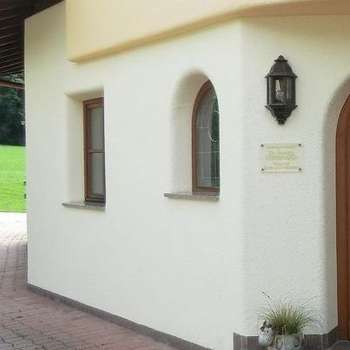
Practice in Gartengasse 13, 3500 Krems an der Donau, Austria
House calls across the St. Pölten, Krems an der Donau, Melk area
- An AI-supported heart examination is now available at the practice. It is designed to help detect cardiovascular diseases in dogs and cats at an early stage and provide more targeted prevention.
- A new injection against ticks, fleas, and mites that lasts for a full year is now offered for dogs.
- Due to road construction, access to the practice is currently only possible from the main square (Kornplatz) and the railway station.
The small animal practice of Dr. Georg Kastner in Langenlois cares for dogs, cats, and small pets – from preventive care and surgery to dental treatments. A key focus is on cardiac diagnostics: an AI-supported heart examination helps detect cardiovascular diseases early on. To complement this, the practice offers acupuncture, neural therapy, and nutritional counseling featuring hypoallergenic food of regional production. For surgeries and emergencies, the veterinarian can also be reached by phone outside of regular opening hours.
Treated animals
Small Animals & Pets
- cats
- dogs
- small rodents
Medical focus areas and specializations
- acupuncture
- cardiology
- dentistry
- ECG
- internal medicine
- nutrition counseling
- surgery
- travel advice
- vaccinations
- x-ray
Services
- LaboratoryOn-site blood, urine, and tissue analysis
Emergencies
Appointments & new clients
Spoken languages
- 🇩🇪 German
Payment methods
Contact
- Website
- Email
- Phone
Practice location and mobile service area
Tierarzt Dr. Georg Kastner
Practice location
Gartengasse 13
3500 Krems an der Donau
Austria
House calls
St. Pölten, Krems an der Donau, Melk
Team 1
Reviews
This very kind veterinarian is always there for the animals and their owners and is highly recommended!
Frequently asked questions
In emergencies, Dr. Kastner can be reached at the practice's phone number. If he is unable to pick up, a text message is sufficient – he will call you back.
Dogs and cats should only be given water, no food and no milk, for twelve hours beforehand. Small rodents should not eat anything bloating, such as fresh grass or cabbage, for two days beforehand and should feed on hay and water during this time. The practice recommends a blood test and an X-ray of the heart and lungs in advance; you should also state which medications the pet is receiving and what pre-existing conditions are known.
The pet first needs a warm, quiet, and darkened place and should be observed until it can stand and walk securely again. It may drink as soon as it is sitting, but eat only when it is standing. A check-up is scheduled two days after the procedure, and the stitches are usually removed after twelve days. To ensure the wound heals properly, the pet should not lick it; protective collars in suitable sizes are available at the practice.
Every pet needs a microchip and a valid rabies vaccination that dates back at least 21 days or has been properly refreshed; both are entered in the EU pet passport, which the practice issues. For travel to countries outside the EU, a blood test for rabies antibodies is also required. Because regulations change frequently, it is worth asking before departure.
Yes. The transponder is smaller than a grain of rice and is placed under the skin without anesthesia, which is painless for the pet. In Austria, dogs and breeding cats must be identified and registered in the official pet database; the practice handles the registration with the legally required information.
Veterinary practices nearby




Are you the owner or a team member of this practice? Claim this profile to manage it yourself.