Tierarztpraxis Bahnstraße Wolkersdorf
Practice in Bahnstraße 92, 2120 Wolkersdorf im Weinviertel, Austria
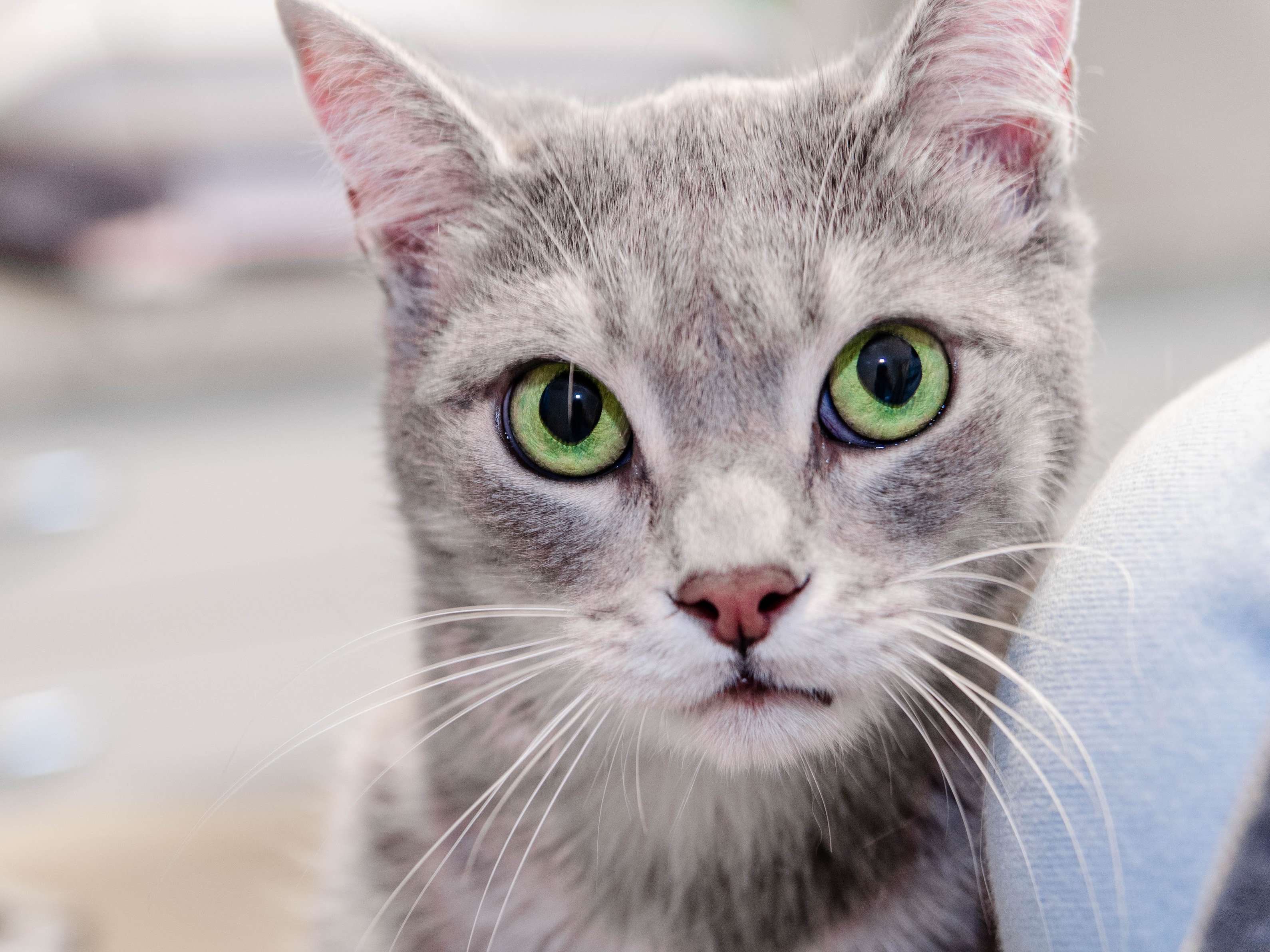
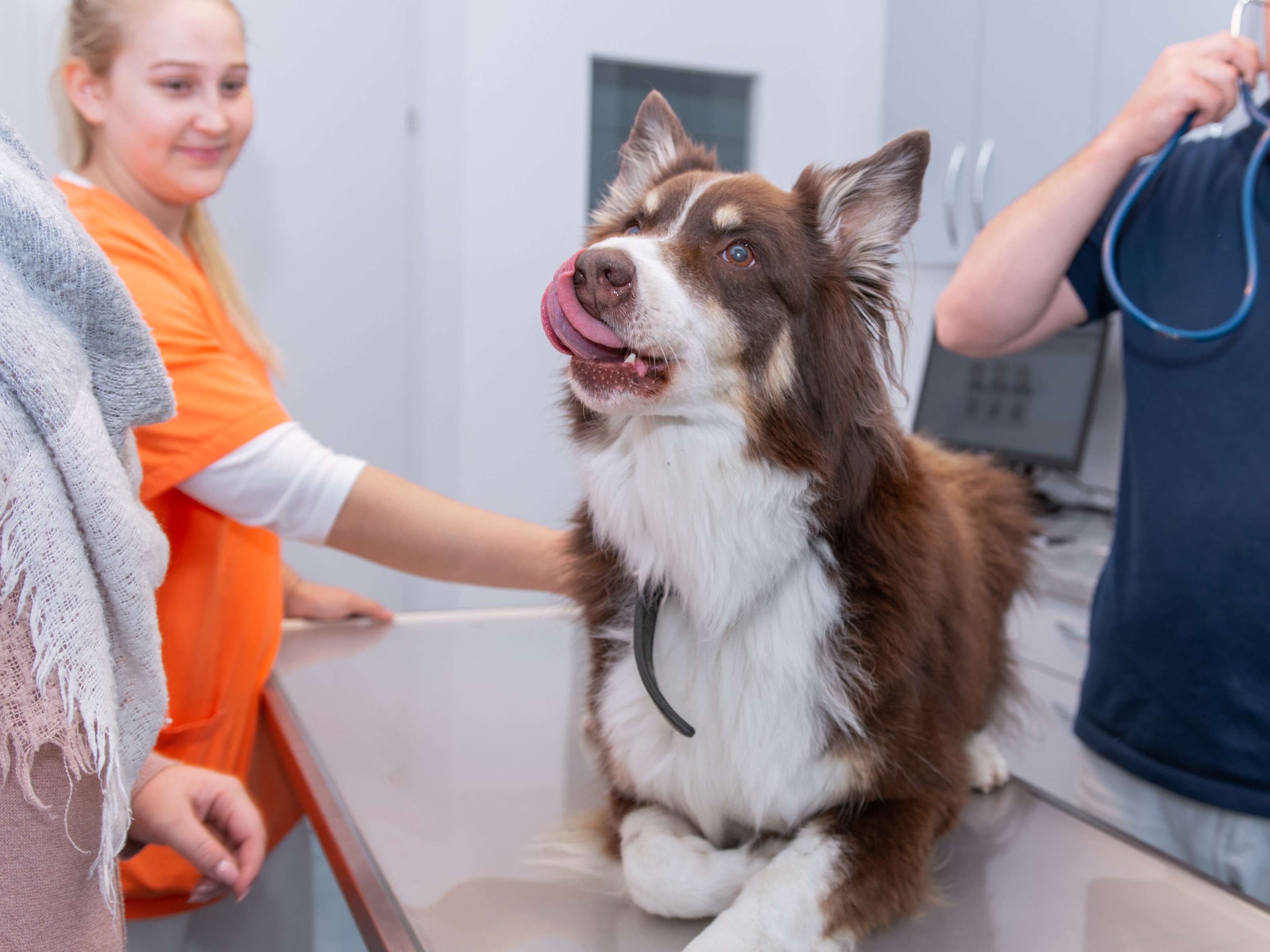
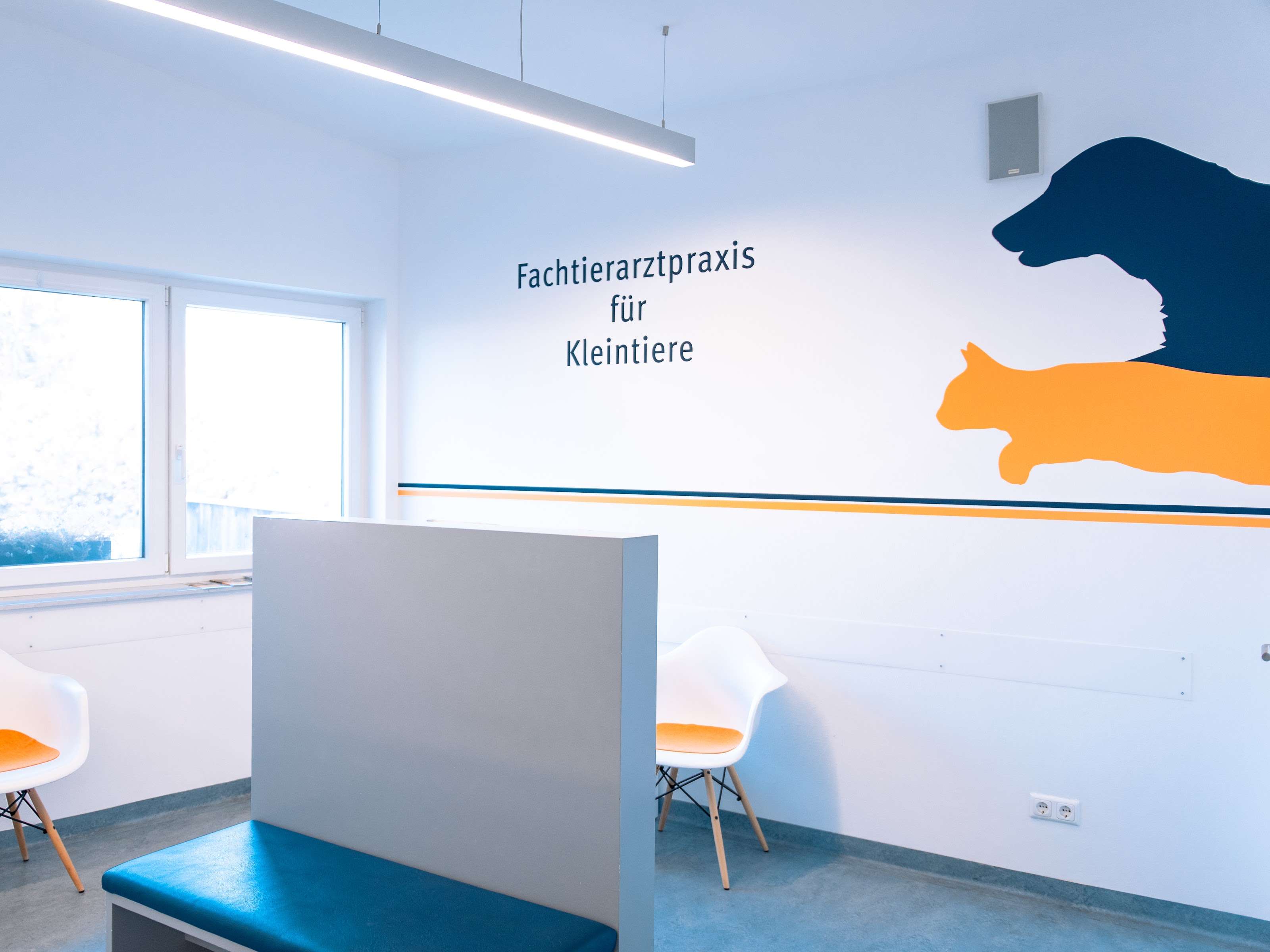
The specialized veterinary practice in Wolkersdorf im Weinviertel cares for dogs and cats from the Weinviertel region and the north of Vienna. Five veterinarians with additional qualifications in internal medicine, cardiology, and surgery work under one roof, bringing diagnostics, treatment, and preventive care together in a single location. Key areas of focus include internal medicine, cardiac ultrasound, endoscopy, and minimally invasive surgery. The practice's own laboratory provides many test results on the very same day, and for complex cases, the practice works closely with referring veterinary clinics whose patients remain in their ongoing care.
Treated animals
Small Animals & Pets
- cats
- dogs
Medical focus areas and specializations
- anesthesia
- cardiology
- dentistry
- dermatology
- ECG
- endoscopy
- internal medicine
- oncology
- ophthalmology
- parasitology
- surgery
- travel advice
- ultrasound
- vaccinations
- x-ray
Services
- LaboratoryOn-site blood, urine, and tissue analysis
Opening hours
- Monday
- 8:00 AM–6:00 PM
- Tuesday
- 8:00 AM–6:00 PM
- Wednesday
- 8:00 AM–6:00 PM
- Thursday
- 8:00 AM–6:00 PM
- Friday
- 8:00 AM–6:00 PM
- Saturday
- Closed
- Sunday
- Closed
Appointments & new clients
Spoken languages
- 🇩🇪 German
Payment methods
Contact
- Book appointment
- Website
- Email
- Phone
- Facebook
- Instagram
Practice location
Tierarztpraxis Bahnstraße Wolkersdorf
Practice location
Bahnstraße 92
2120 Wolkersdorf im Weinviertel
Austria
Team 9
Dr. med. vet. Veljko Turkovic
Specialist veterinarian for small animal internal medicine
Mag. med. vet. Anita Manz
Specialist veterinarian for small animal internal medicine
Mag. med. vet. Kathrin Hecker-Turkovic
Veterinarian
Mag. med. vet. Sylvia Spitzer
Veterinarian
Mag. med. vet. Sabrina Bacher
Veterinarian
Sonja Grath
Practice management
Kristin Danis
Veterinary clinical assistant
Cathrin Huber
Veterinary clinical assistant
Sophie Foll
Apprentice veterinary clinical assistant
Reviews
Nalah's vet 😊 Our dog has been a patient there since she was a puppy. Vaccinations and paperwork have been taken care of, and recently they helped with a suspected poisoning. They even called the next day to check on her, etc. Unfortunately, the prices are like that everywhere (because I've read some negative reviews). Yes, it's "expensive," but staff, electricity, medication, and training all need to be paid for. In short: very courteous, friendly, and professional. Thank you from us and Nalah.
The doctor was attentive and informative. She took time to discuss Joy's health issues. I am glad my pet is in her hands!
Well I just needed to put stamps in my dog passport - one stamp for Simparica and the second one for warming treatment. Just a regular medicine. I came to this vet with my medicine and I paid 66€ just for vet gave the medicine and listened to a heart (no ulstrasound). As I am traveling a lot, I can say it’s VERY expensive place. In the USA I usually pay 30€, in Netherlands 20€. In this one 66€ 😅 and again - I came with my medicine.
I've rarely been so upset after a veterinary visit. Over the phone, I was quoted a price range of €800–1000 for the laparoscopic spaying of a young female dog (11.9 kg), including blood work. At the clinic, the price suddenly jumped to €1600 – practically double. To me, this isn't a "discretion," it's simply a lack of transparency and feels like a bait-and-switch tactic used over the phone. On top of that, they charged €34 for a roughly 10-minute "consultation" where they essentially just took down our information. If they had been honest about the actual costs, we wouldn't have come in the first place. This is no way to treat pet owners.
I can highly recommend this veterinary practice! We were able to come in at 6:00 PM (even though they close at that time) because it was an emergency. The vet took a lot of time with our little one and was very empathetic. We also reliably received a call the next day to check on her condition. Unfortunately, we had to have her put down a week later because her little body was no longer able to cope. Two weeks after our loss, we received a sympathy card in the mail! The staff are compassionate, and the animals' well-being is their top priority. Thank you so much for your wonderful work!
Frequently asked questions
Fasting is necessary because gas-filled loops of the stomach and intestines otherwise obscure the images: at least 8 hours without food, or 12 hours in cases of chronic vomiting, diarrhea, or changing stool consistency. Water may be consumed until arrival at the practice; the exact recommendation will be given by the practice when booking the appointment.
The practice takes on the diagnostic work-up for which the animal is referred and subsequently sends the findings back to the referring practice, while the animal remains a patient there. The referral form can be filled out online, and X-rays, lab results, and photos can be attached directly. The practice can be reached by phone for any questions.
Yes, every patient undergoes a clinical examination before anesthesia and receives a blood test, supplemented by a cardiac ultrasound or chest X-ray if needed. This helps to assess the anesthetic risk. The anesthesia itself is administered as an inhalation anesthetic with oxygen, monitored via ECG, capnography, and pulse oximetry, along with thermal support and intravenous fluids.
The completed intake form, vaccination record, previous medical records, lab values, and X-rays from other practices, as well as a list of current medications and food. In cases of diarrhea or urinary issues, a fresh stool or urine sample is helpful. The intake form can be filled out online in advance so it is already available at the appointment.
It is offered for female dogs and cats and is performed through two to three tiny accesses in the abdominal wall, each just a few millimeters wide. As a rule, only the ovaries are removed; if the uterus is altered, it is removed as well. The procedure is not possible in cases of severe uterine infection or abdominal scarring.
First, there is a preliminary examination including a complete blood count and, depending on requirements, a cardiac ultrasound to assess the anesthetic risk. Under anesthesia, the teeth are roughly scaled to remove tartar, followed by dental X-rays with multiple views. Only then is it decided which teeth can be saved, and the cleaning is concluded with polishing.
Veterinary practices nearby
Are you the owner or a team member of this practice? Claim this profile to manage it yourself.