Zahntierarztpraxis Wurzelwerk
Practice in Kirchengasse 144, 2014 Breitenwaida, Austria
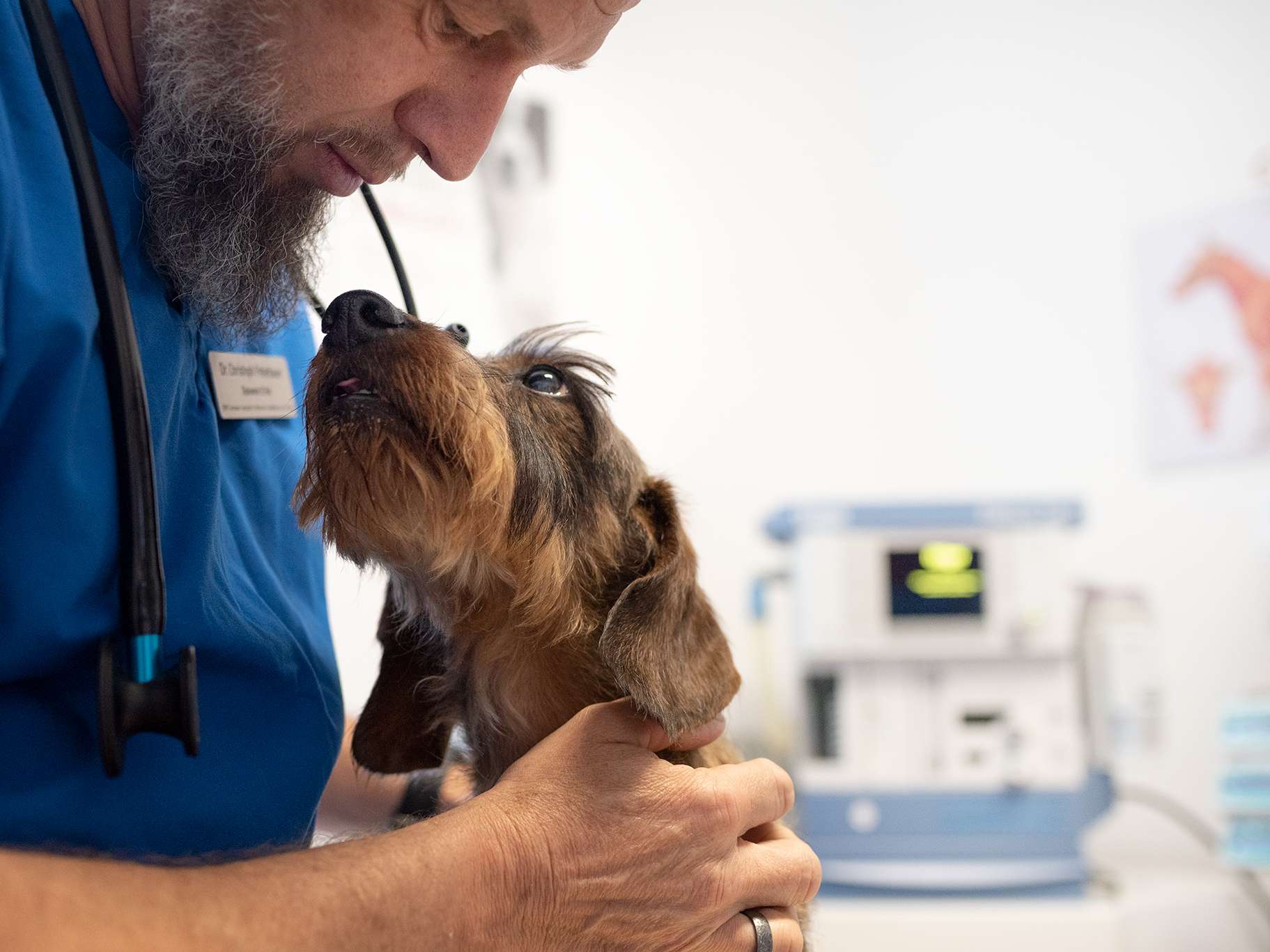
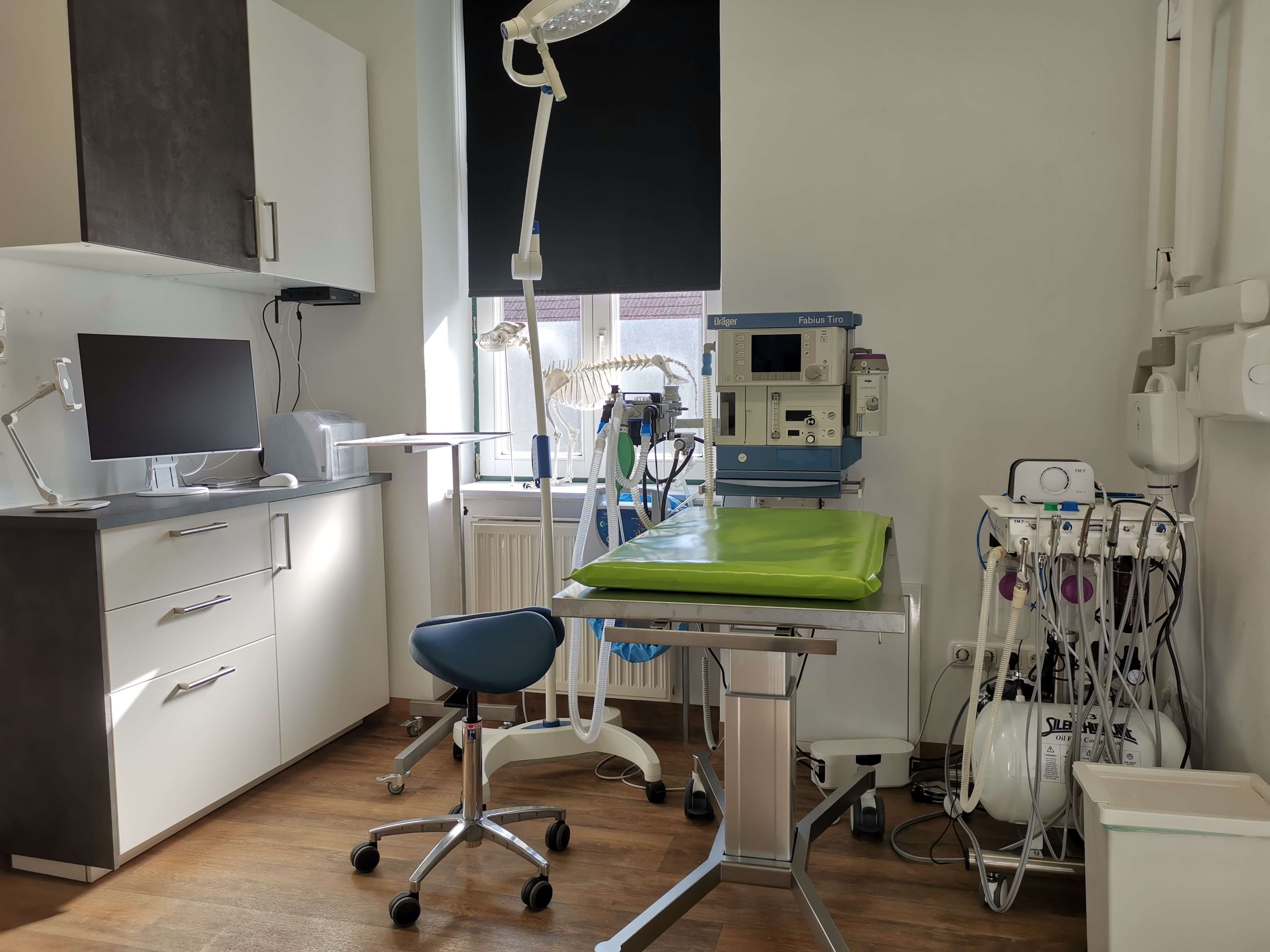
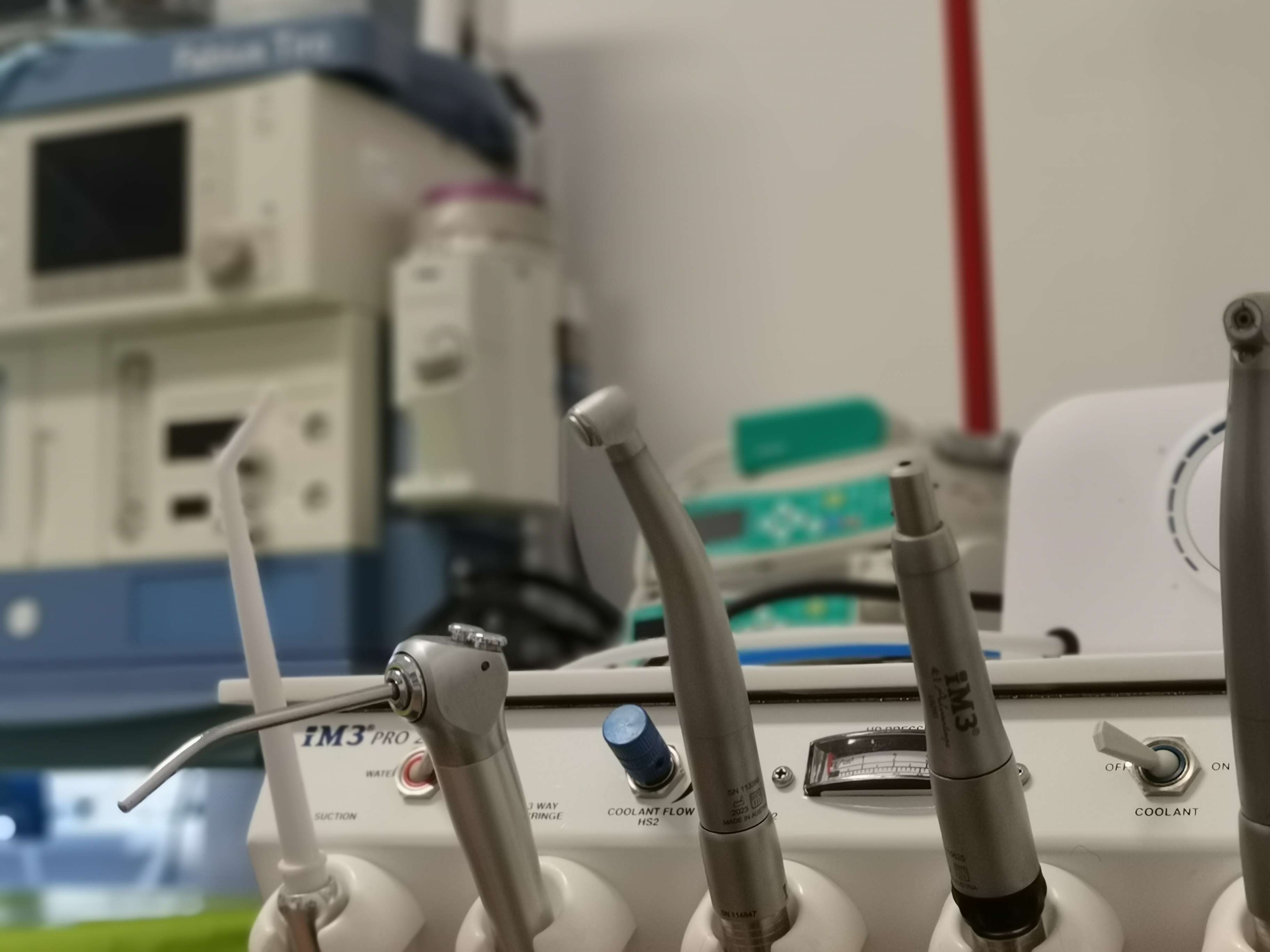
The Wurzelwerk dental veterinary practice in Breitenwaida combines dentistry with anaesthesia planned and personally monitored by a veterinary specialist in anaesthesiology and pain therapy. This makes it possible to provide dental care even for older or chronically ill dogs, cats, and rabbits who might otherwise be denied treatment. The services include dental x-rays of the entire oral cavity, dental charting, professional teeth cleaning, and tooth extractions with surgical wound closure. To ensure there is plenty of time, there are a maximum of two surgical appointments per day; you can be present during the preparations and when your pet falls asleep, and you will receive all findings and aftercare instructions in writing.
Treated animals
Small Animals & Pets
- cats
- dogs
- rabbits
Medical focus areas and specializations
- anesthesia
- dentistry
Appointments & new clients
Spoken languages
- 🇩🇪 German
Contact
- Website
- Email
- Phone
- Facebook
Practice location
Zahntierarztpraxis Wurzelwerk
Practice location
Kirchengasse 144
2014 Breitenwaida
Austria
Team 3
Reviews
The practice lives up to the promise of Dr. Peterbauer's specialist training as an anesthesiologist and dentist! State-of-the-art know-how and technology, thorough, absolutely professional work, which is also explained in detail and in an easy-to-understand way to the owner and their dog. The entire team handles the dog with great care and affection. To manage a complete dental restoration on a 17-year-old rescue dog so smoothly is truly remarkable. Highly recommended, both as a dog owner and as a trainer!
We were very satisfied with our baby's treatment. The vet explained everything to us very kindly and thoroughly – both before and after the procedure. His assistant was also very friendly. You can tell that the animal's well-being is his top priority, and any worries or concerns we had before the treatment were quickly put to rest. Highly recommended! And I have to say, I'm a little envious of my dog's teeth; they look fantastic! 😂
A truly wonderful veterinarian! We felt very comfortable, all our concerns and worries were put to rest, and it's clear that the animals' well-being is his top priority. I would definitely recommend him to friends and family and would go back again! :)
I urgently needed a veterinary dentist for my dogs. I wasn't satisfied with a regular vet and started searching. After some research, I came across Dr. Peterbauer, as he's not only a veterinary dentist but also a specialist in anesthesiology. I made an appointment for the initial examination. Everything was explained to me in detail, and then the surgery date was scheduled. I was allowed to be present during the administration of the anesthesia and received my dogs back fully awake. Using the X-rays, he explained very thoroughly why certain teeth had been extracted and others hadn't, and he also showed me the extracted teeth. You then receive the surgical report and an information sheet about possible complications and what to be aware of in the first few days after the surgery via email. Questions and concerns are answered very kindly and thoroughly. This entire process and how lovingly and attentively he treats the dogs completely convinced me. (From my own unfortunate experiences with other veterinary clinics and veterinarians, I know that this is unfortunately NOT the norm – which is why I am so thrilled with Dr. Peterbauer.) I am so glad to have finally found a highly competent and friendly veterinary dentist after many, many years.
Frequently asked questions
Only the crown of the tooth and the gums can be assessed in an awake animal. Roots, periodontium, and bone only become visible under anaesthesia, and examination with a probe and x-ray would be far too painful while awake. That is why precise diagnosis and, with your consent, treatment are carried out simultaneously under anaesthesia.
Because many conditions remain hidden: almost every second dog has tooth resorptions that can only be identified on x-rays, and they are even more common in cats. This is the only way to determine whether a tooth can be saved or needs to be extracted.
Yes, you may be present during the preparations and when your pet falls asleep. As soon as the treatment is complete and your pet has woken up from the anaesthesia, you will be notified and can pick them up.
Your pet should rest after the anaesthesia; on the day of the surgery, dogs should only go outside to relieve themselves, and cats should be prevented from climbing. Food is given according to instructions, preferably soft wet food. Hard chew toys and tug-of-war games should be avoided for about ten days, and please administer prescribed painkillers or antibiotics regularly.
Daily teeth brushing removes the soft plaque that turns into tartar within 18 to 36 hours, and helps changes in the teeth and gums to be noticed earlier. The practice will work with you to create a preventive care plan and help you choose suitable dental care products.
Most medications for home use are available directly from the practice's veterinary in-house pharmacy. A prescription will be issued for unusual preparations, which can be redeemed at any pharmacy.
Veterinary practices nearby

Are you the owner or a team member of this practice? Claim this profile to manage it yourself.