Aggression
Aggression in dogs and cats is a behavioural symptom, often rooted in fear, pain, or stress, that signals an underlying medical or behavioural issue needing assessment.
Also known as Aggressive Behavior, Biting and Snapping, Reactivity
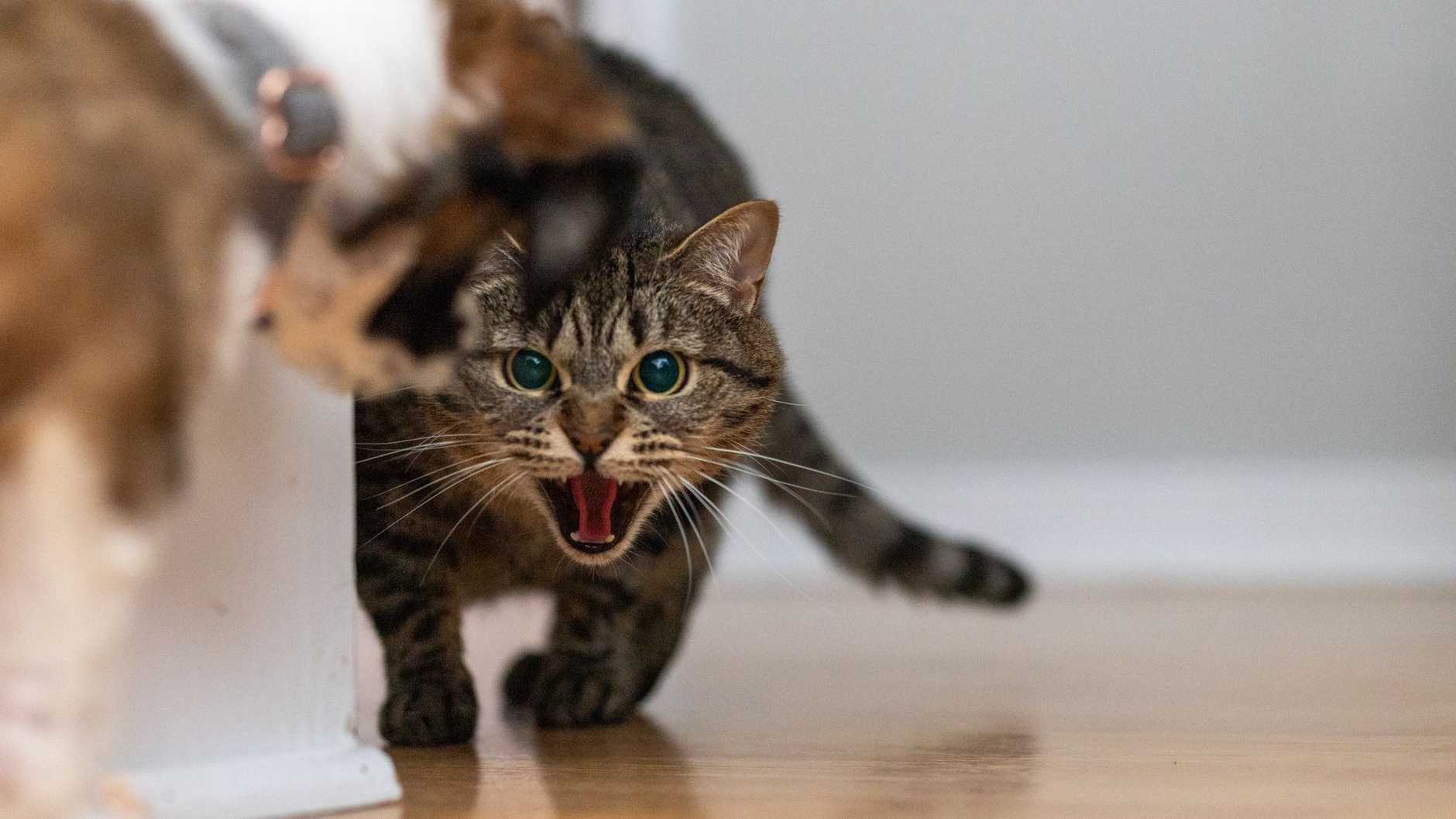
Aggression in a dog or cat isn't a diagnosis in itself, it's a symptom, a signal that something is wrong and needs figuring out. It can show up as something as subtle as a hard stare and a stiffened body, or as obvious as growling, snapping and biting, and the same animal might use any of these depending on what's happening around them. The sources are clear that aggression is best understood as a warning or a defence, not a character flaw, and that fear and stress are very often what's driving it underneath.
It matters because it puts both the animal's welfare and the safety of everyone around it at risk. Left unaddressed, aggressive episodes can lead to injury, a breakdown in the bond between pet and owner, and in the worst cases to an animal being rehomed or euthanised. A cat that suddenly starts acting out of character, or a dog that becomes snappy where it never used to be, deserves a proper look rather than being labelled "difficult" and left to it.
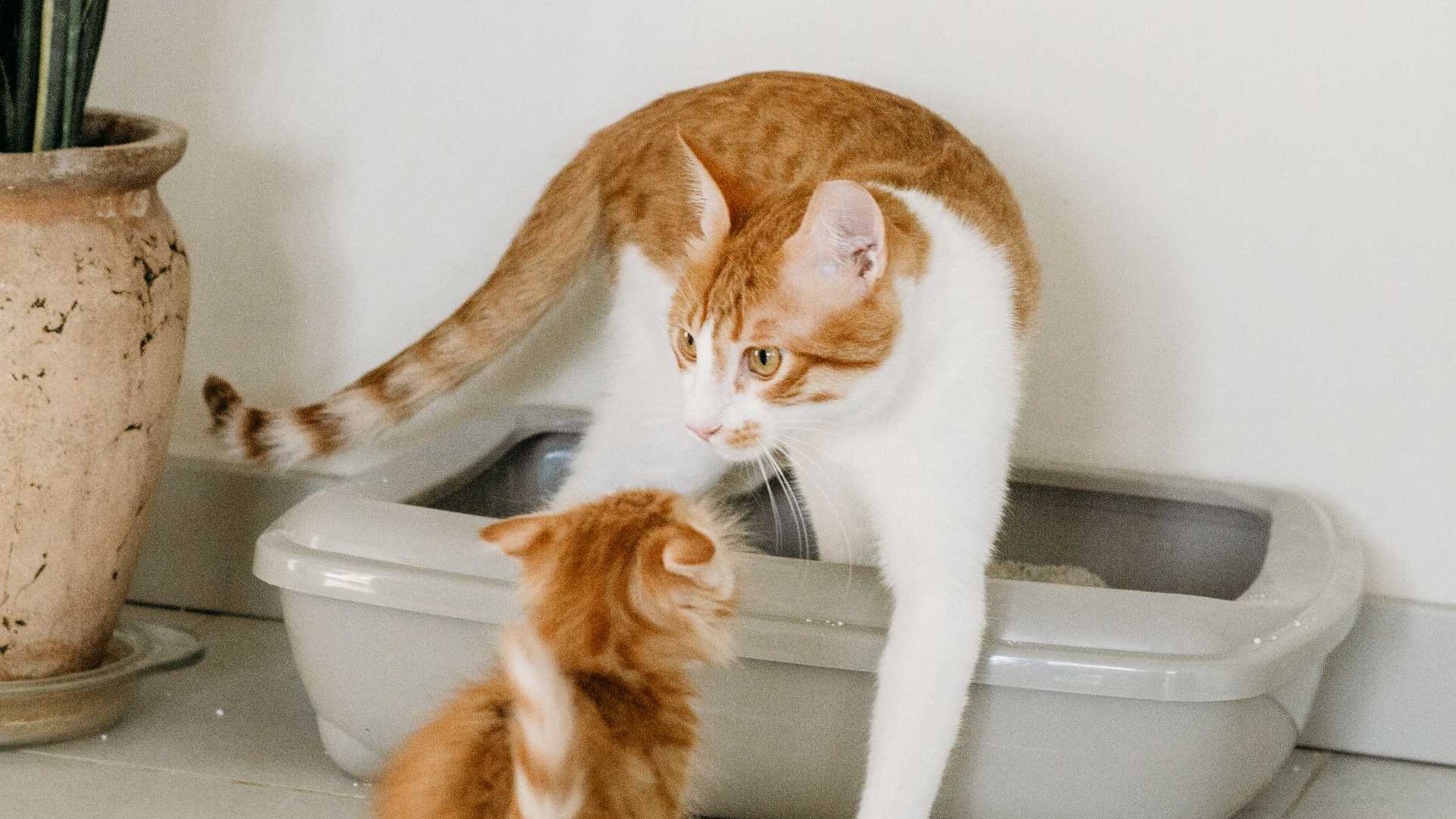
The first thing any vet will want to do is rule out a medical cause, because aggression is sometimes the body's way of expressing pain or illness rather than a behavioural problem on its own. Conditions like osteoarthritis, dental disease, thyroid imbalances, and even neurological issues can all show up as uncharacteristic irritability or snapping, and this is true across both cats and dogs. Only once health problems have been excluded or treated does it make sense to move on to behavioural causes, which might include fear of a particular person or situation, resource guarding, redirected frustration when an animal can't reach what's actually upsetting it, territorial disputes with other pets, or even normal play that's gotten out of hand.
A few signs worth watching for, in either species:
- Body language shifts: stiffening, a fixed stare, flattened ears, dilated pupils, or a tail held stiffly upright or thrashing
- Vocal warnings: growling, hissing, or harsh barking before any physical contact happens
- Sudden changes in tolerance: a pet that used to accept handling, petting or a particular routine and now reacts badly to it
- Escalation under specific triggers: always happening around food, a particular person, another animal, or a specific situation
Once medical causes are sorted, treatment almost never rests on one single fix. It typically combines managing the environment to avoid triggers, gradually reshaping how the animal responds to the things that set it off, and sometimes medication to ease the underlying anxiety enough that new learning can actually take hold. What it should never involve is punishment or confrontational handling, since aversive techniques tend to heighten fear and make aggression worse rather than better. Realistic expectations matter too: full resolution isn't always possible, but most households can get to a point where everyone, pets included, is safe and reasonably comfortable. If you're seeing any of this at home, a vet visit is the sensible starting point, and for more persistent or serious cases a referral to a specialist in animal behaviour is often the next step.