Bite Wounds
Bite wounds from dogs, cats, or wildlife can hide serious injury beneath minor-looking skin marks and always warrant a veterinary check.
Also known as Animal Bite, Dog Bite Wound, Cat Bite Wound, Bite Injury
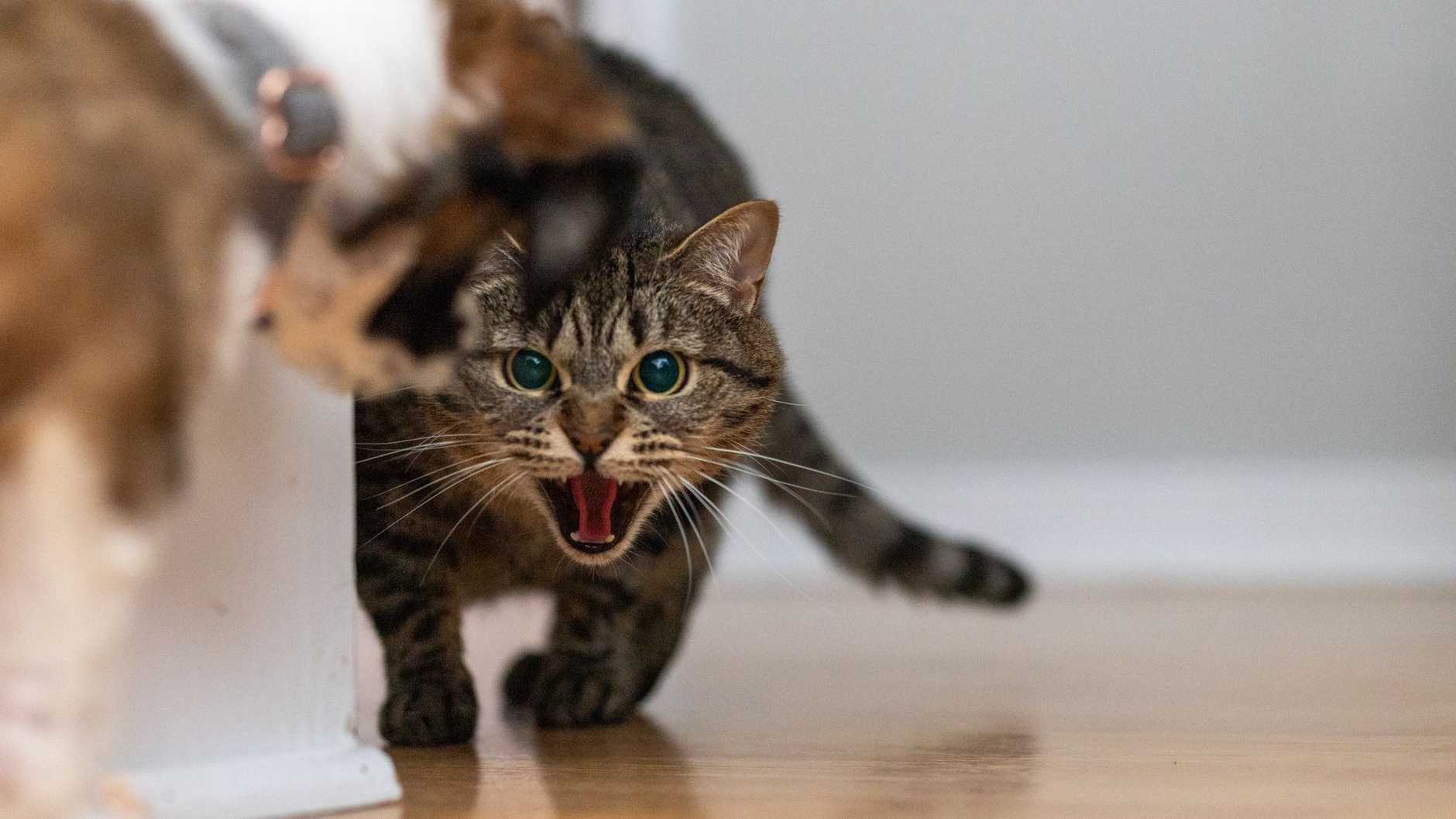
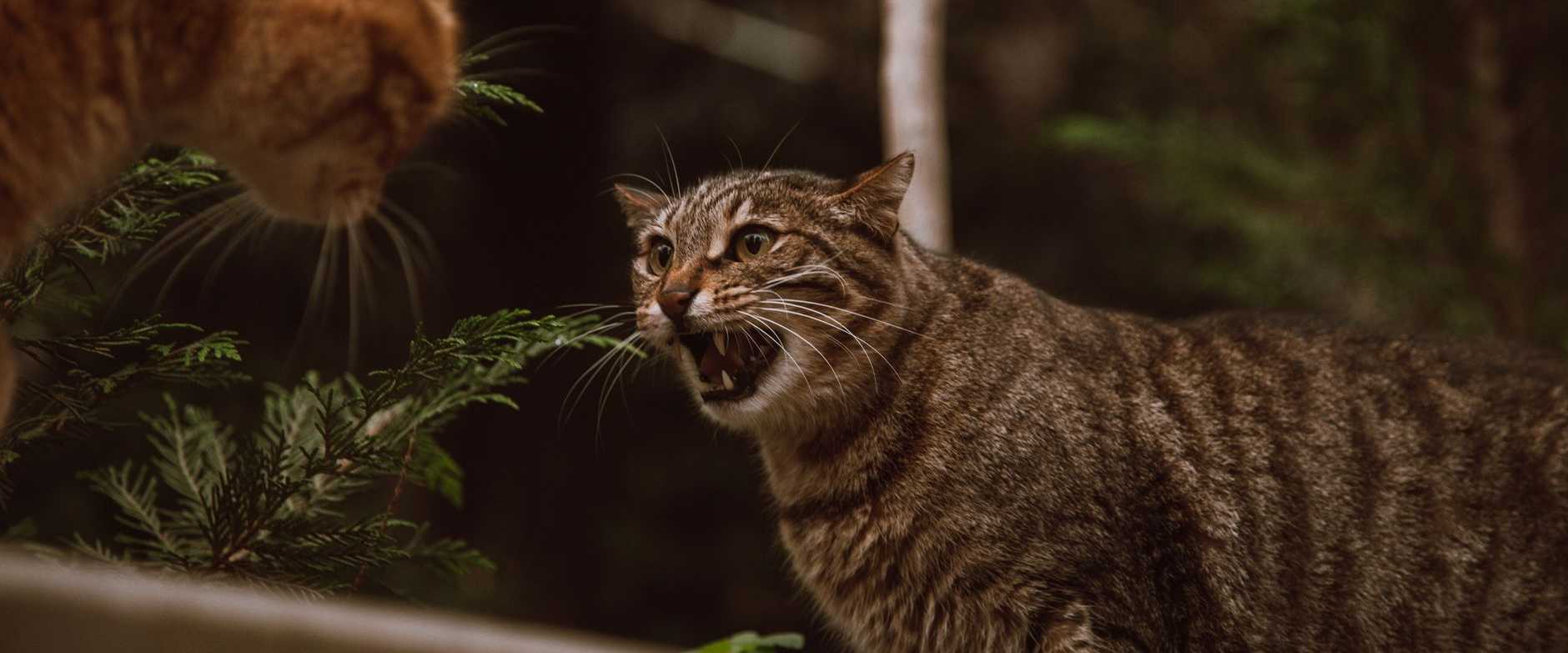
Bite wounds happen more often than most owners expect, whether it is a scuffle with another dog at the park, a cat caught in a territorial dispute, or a run-in with wildlife. They make up a meaningful share of injuries seen in dogs and cats brought into veterinary practices, and the thing to understand straight away is that what you see on the skin rarely tells the whole story. A bite wound is often described as the tip of the iceberg: a couple of small puncture marks on the surface can sit above torn muscle, damaged blood vessels, or even a punctured chest or abdomen underneath.
Dogs and cats cause damage in different ways, and this matters for what to expect. A dog's jaw tends to tear and crush, so a dog bite often looks unimpressive on the outside while hiding serious bruising or internal injury beneath. Cat bites work differently: their narrow, sharp teeth create small, deep puncture wounds that seal over quickly at the skin, trapping bacteria inside. That is why cat bites, despite looking minor, often turn into infected abscesses if left unchecked.
This is also why every bite wound deserves a veterinary check, even ones that look trivial. A vet will want to know when the bite happened, whether the other animal's vaccination status is known, and will examine your pet thoroughly rather than just cleaning the visible wound. Bloodwork, imaging or even surgical exploration may be needed to rule out deeper damage, especially with bites to the chest, abdomen or near joints. Pain relief is part of treatment too, since pain itself can slow healing.
How the wound gets closed up afterwards depends on timing and risk. A clean wound caught early can sometimes be stitched closed right away, but many bite wounds are contaminated by nature and are better left partly or fully open, packed or drained, and allowed to heal from the inside out, with closure delayed until infection risk has settled. Antibiotics are commonly used, chosen to cover the bacteria typically found in an animal's mouth, though the right choice and duration is a clinical decision rather than something to guess at home.
A few signs mean a bite needs prompt attention rather than a wait-and-see approach:
- Puncture wounds, even small ones: these carry a disproportionately high infection risk because bacteria get driven deep and the skin can seal over them
- Wounds on the chest, abdomen, neck or near a joint: these locations raise concern for injury to structures beneath the skin
- Swelling, pain, discharge or a foul smell developing over the following day or two: signs that infection is setting in
- Any lethargy, reluctance to move, or breathing changes after a fight: possible signs of internal injury that would not be obvious from the wound alone
Because the biting animal's rabies vaccination status and the approach to post-bite care vary by location, always follow your vet's guidance and any local public health advice rather than assuming a single rule applies everywhere. The guides and clinics listed below go into the specifics of assessment, wound care and recovery in more depth.