Blood in Urine
Blood visible in a dog or cat's urine (hematuria) can signal a range of urinary tract issues and always warrants prompt veterinary attention.
Also known as Hematuria, Bloody Urine, Blood in the Urine
Seeing blood in your dog or cat's urine, whether it's a full pink tinge in the water bowl or a red stain on the patio, is one of those things that grabs your attention instantly. The medical term is hematuria, and it simply means red blood cells have found their way into the urine. Sometimes it's obvious to the eye, and sometimes it's only picked up when a vet checks a urine sample under the microscope, so if you've ever noticed even a faint discolouration, it's worth mentioning at a check up even if it seems to have resolved.
The blood can come from almost anywhere along the urinary tract, and working out exactly where is the vet's job, not something you're expected to guess at home. Common causes include urinary tract infections, bladder or kidney stones, cancer and systemic bleeding disorders. In cats specifically, there's a relatively common form of bladder inflammation without infection called feline lower urinary tract disease, which has been linked to stress and anxiety. In male dogs who haven't been neutered, an enlarged prostate is another frequent culprit, since bleeding from the prostate is often caused by prostatitis or by benign hyperplasia, an enlargement of the prostate driven by testosterone. Where the blood appears during urination can even give clues about the source: blood mainly at the end of a stream often points to the bladder, while blood present throughout tends to suggest the kidneys are involved.
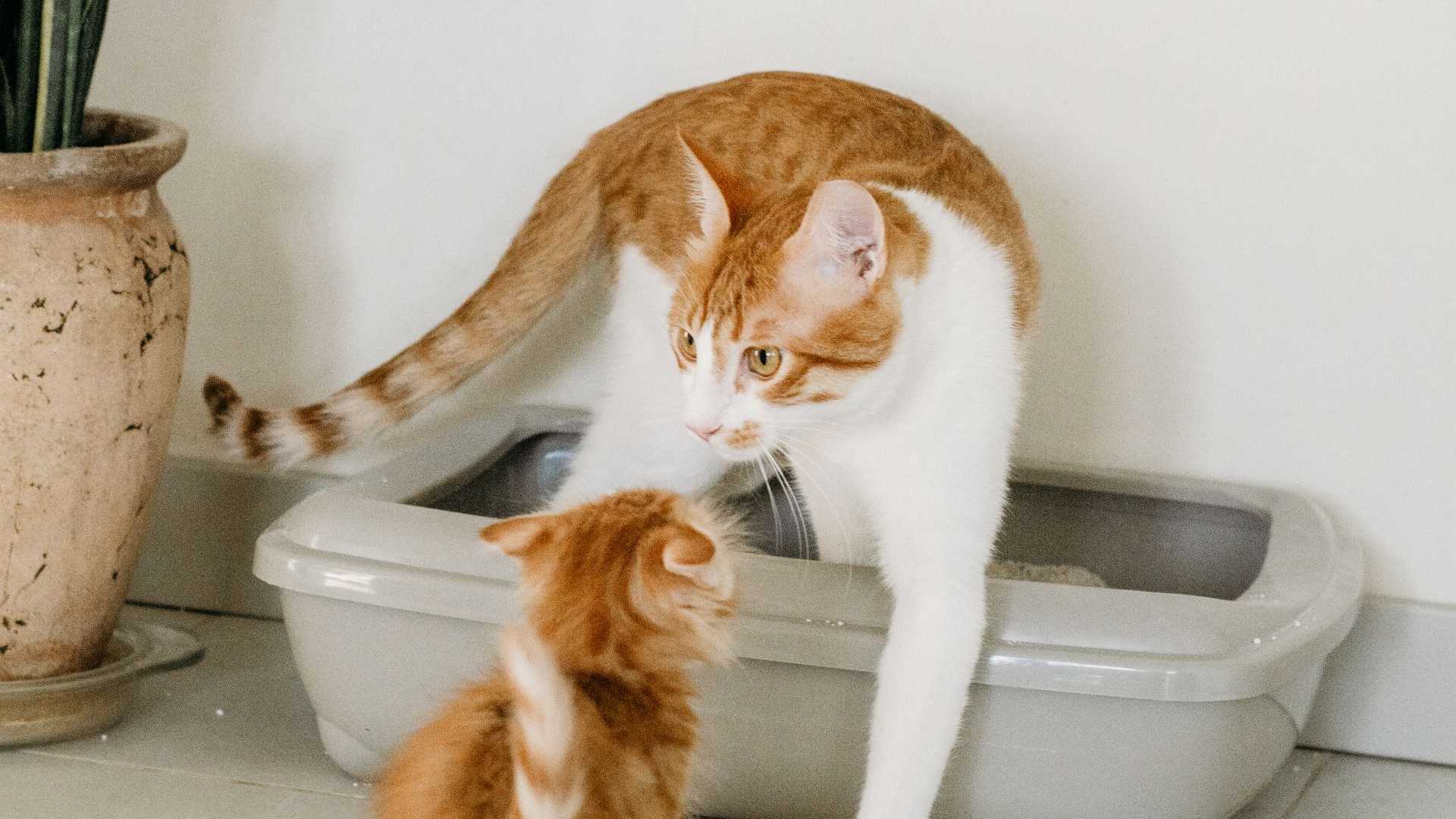
There's one situation where blood in urine tips from "get it checked soon" to "go now," and it's specific to male cats. Because their urethra is narrow, they're at real risk of a complete urinary blockage, which stops them passing urine at all. This is genuinely life threatening: it most commonly affects male cats and can lead to kidney failure, heart abnormalities, or death within 24 to 48 hours if not treated immediately. The tricky part is that a cat can have blood in the urine and still seem to eat, play, and act normal in the early stages. So if you have a male cat straining repeatedly in the litter tray, crying out, or producing only a few drops (or nothing at all), that's an emergency vet visit, not a wait and see situation, regardless of how bright and alert he otherwise seems.
Outside of that specific emergency, blood in urine still deserves prompt attention rather than a watch it for a few days approach. A vet will typically want a urine sample, a physical exam, and often bloodwork to narrow down the cause, sometimes followed by an ultrasound or x-ray if stones or growths are suspected. Once the underlying issue is identified, treatment is usually very manageable: infections are treated with antibiotics, stones or crystals may need dietary changes, medication, or surgery, and pain relief can help with any discomfort along the way. The guides below go into more detail on the specific conditions and how vets investigate and treat them.