Blood Work / Health Screening
Blood work and health screening tests let vets check organ function and blood cell health to catch hidden problems in pets before symptoms appear.
Also known as Blood Panel, Bloodwork, Wellness Screening, Senior Wellness Panel, CBC and Chemistry Panel
Blood tests give your vet a window into what's happening inside your pet's body that a physical exam alone can't show. A hands-on check tells you a lot about muscle tone, lumps, heart sounds, and general condition, but organs like the kidneys, liver, and thyroid can be quietly struggling long before there's any visible sign. Because dogs and cats are experts at masking discomfort, especially cats, changes in behaviour or appetite often show up only once a problem has progressed. Blood work catches these shifts earlier, sometimes years before symptoms appear.
Most routine panels combine two tests. A complete blood count, or CBC, looks at the actual cells in the blood: red cells that carry oxygen, white cells that fight infection, and platelets that help clotting. This blood test provides information about the different cell types in the blood, including red blood cells, which carry oxygen to the tissues, white blood cells, which fight infection and respond to inflammation, and platelets, which help the blood to clot. A chemistry panel, on the other hand, examines the liquid part of the sample and reveals how well organs like the kidneys and liver are working, along with blood sugar and electrolyte levels. This is a panel of tests that provides information about the organs and tissues of the body and helps to detect diabetes, kidney disease, liver disease, and other disorders. Depending on age and health history, your vet might add a urinalysis or thyroid testing to get a fuller picture, since key tests can include complete blood count, comprehensive chemistry panel, thyroid function, and urinalysis, together screening for common senior conditions like kidney disease, diabetes, and anemia.
Health screening bloodwork matters at every stage of a pet's life, not just when something seems wrong. It's often run before surgery to make sure anaesthesia is safe, used to monitor pets on long term medication, and included in routine wellness checkups even when your pet seems perfectly fine. For younger, healthy adult pets, an annual check is usually enough. Once pets reach their senior years, generally around 7 for dogs and 10 for cats, most vets recommend stepping this up. The American Animal Hospital Association notes that senior pets, meaning dogs older than 7 years and cats older than 10, should be examined by their veterinarian every six months, including pets who appear visibly healthy, since pets age faster than humans, so regular visits help detect issues early.
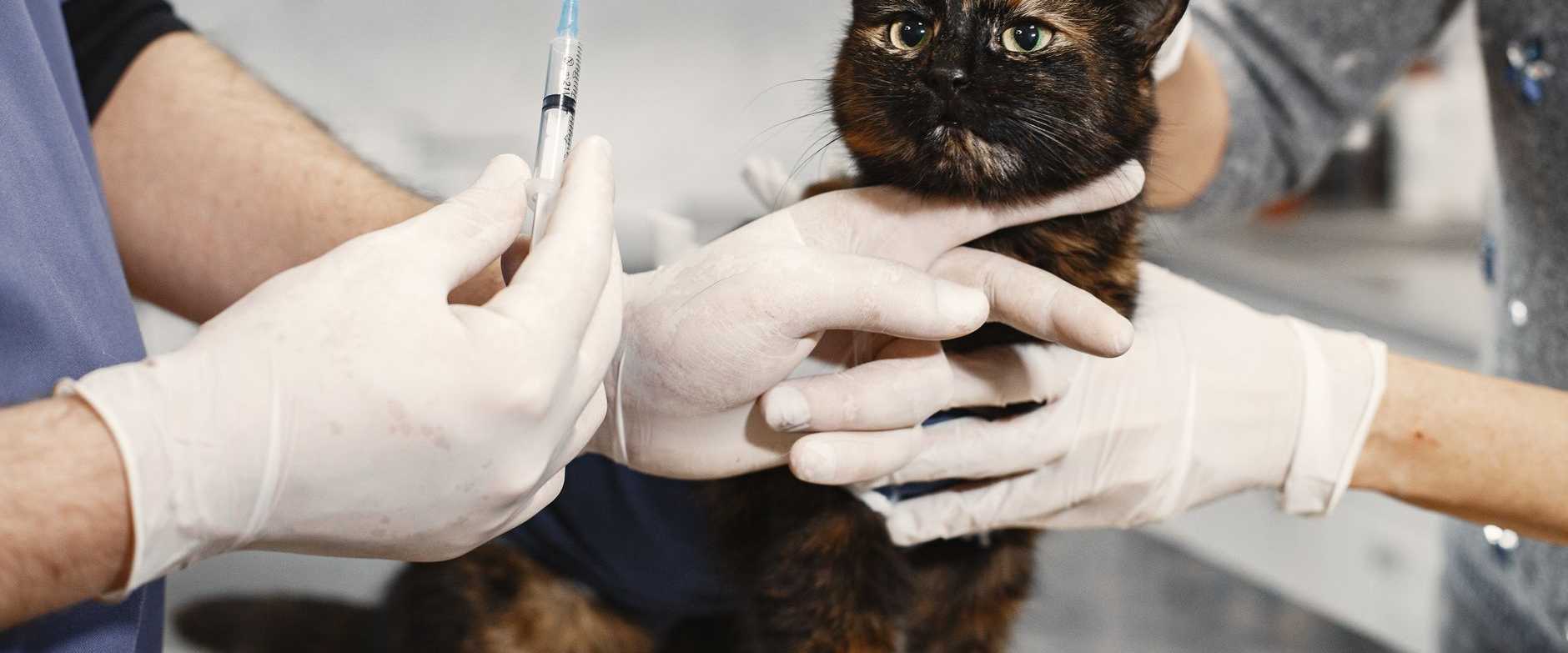
The reassuring part is that this testing is low risk and genuinely useful. A blood draw is quick and only mildly uncomfortable, and even a completely normal result is valuable because it rules out a wide range of conditions and gives your vet a baseline to compare against later. If something is abnormal, it doesn't necessarily mean disaster: many findings are mild, and your vet may simply suggest repeating the test in a few weeks or investigating further with additional tests. The guides below can walk you through specific panels, individual results, and what to expect at different life stages in more depth, but the takeaway here is simple: regular blood work is one of the most practical tools for catching problems while they're still easy to manage.