Early Signs of Diabetes in Cats: Why Increased Thirst and Weight Loss Matter
A practical guide to spotting the early signs of feline diabetes, including increased thirst and weight loss, and knowing when to seek veterinary care.
- cats
- internal medicine
- nutrition counseling
- general medicine
·
Key takeaways
- Watch for increased thirst, larger litter clumps and weight loss despite a normal appetite
- Measure your cat's water intake over 24 hours rather than guessing
- Weigh your cat monthly and act on any steady downward trend
- Never restrict water to stop the urination, as this worsens dehydration
- Seek same-day vet care if a thirsty, weight-losing cat also vomits, stops eating or seems weak or wobbly
- Ask about low-carbohydrate diet and early insulin control, since early treatment improves the chance of remission
If your cat has started draining the water bowl, leaving heavier clumps in the litter tray, and feels lighter in your arms despite finishing every meal, diabetes belongs high on the list of possible explanations. The early signs of diabetes in cats are quiet and easy to explain away as ageing or warm weather, which is why plenty of cats are only diagnosed once they are seriously unwell. Caught early, this is a manageable disease, and some cats even stop needing medication. This guide will help you recognise the pattern, gather the information your vet needs, and understand when a thirsty cat becomes an emergency.
What is diabetes doing inside your cat's body?
Feline diabetes has a lot in common with type 2 diabetes in people. In most cats it starts with insulin resistance, where the body stops responding properly to insulin. The pancreas compensates by producing more, and over time the insulin-producing cells become damaged and give out, so glucose (sugar) builds up in the blood instead of entering cells.
Two consequences explain almost every sign you will notice at home:
- Once blood sugar climbs above the level the kidneys can hold back, glucose spills into the urine and pulls water with it. Your cat urinates more, then drinks more to keep up.
- Cells short of fuel start burning fat and muscle. Your cat loses weight while still eating, and sometimes eats more than ever.
Here is the part that catches owners out: many cats spend months in a preclinical stage, with blood sugar clearly raised but still below the point where glucose leaks into the urine. During that window there may be nothing obvious to see at all. Prolonged high blood sugar is also toxic to nerves, which is why some cats develop a dropped, flat-footed hind-limb stance and lose the ability to jump the way they used to.
What are the early signs of diabetes in cats?
The classic combination is more urination, more drinking, a bigger appetite, weight loss and lethargy. Physical examination can be close to normal in the early stages, and the changes creep up so gradually that they are easy to miss at home. That is why what you notice day to day genuinely matters.
Drinking more than usual
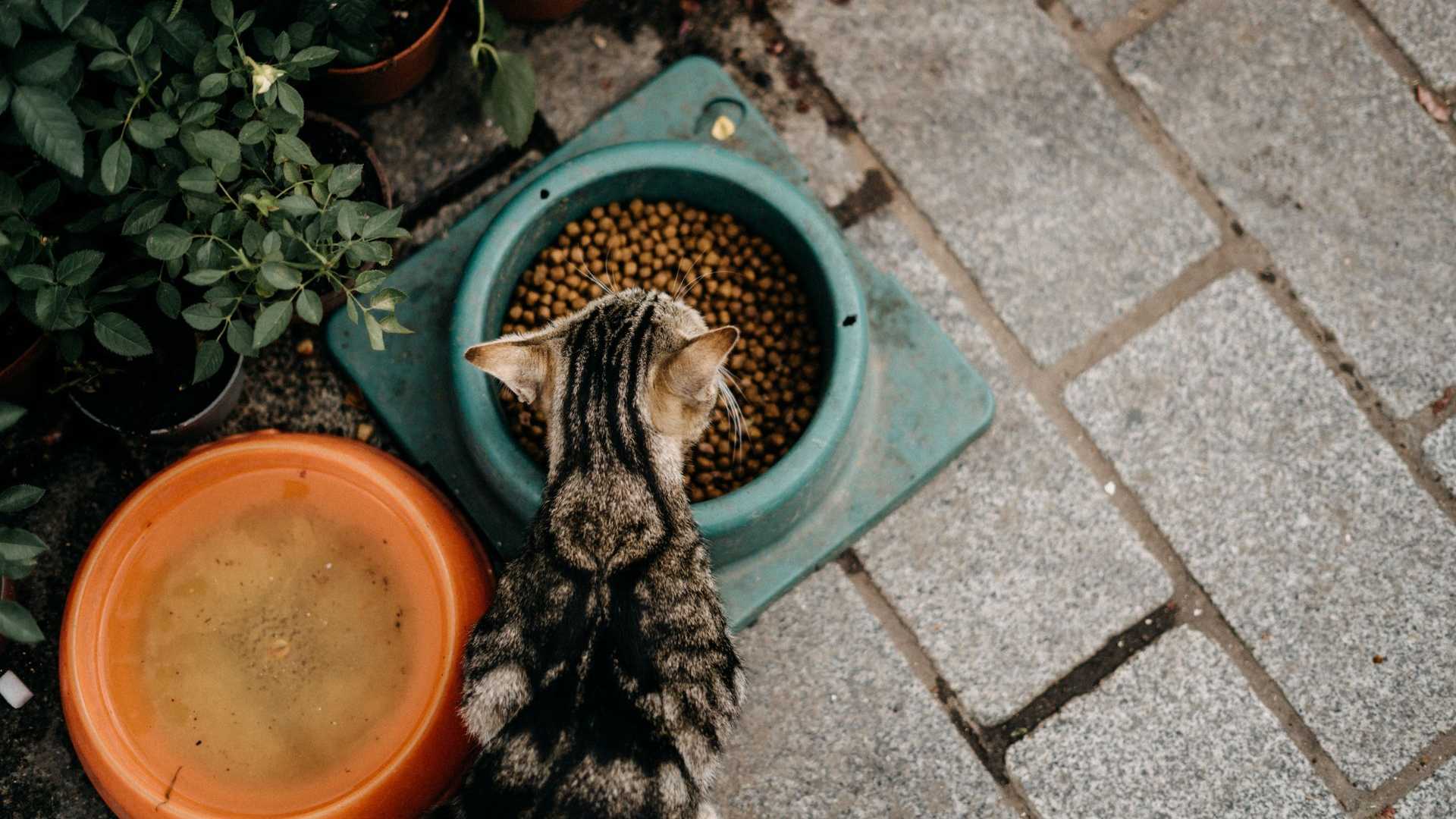
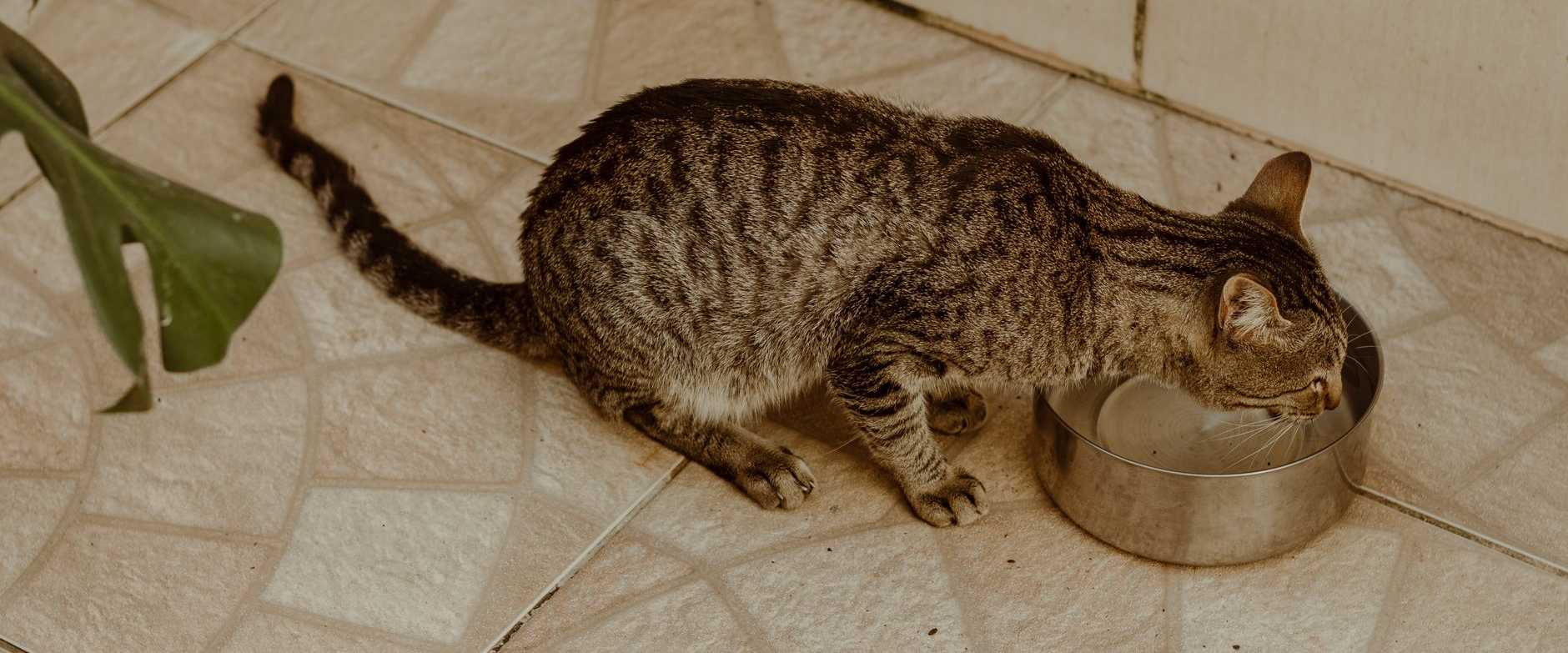
Often the first thing owners spot. You are refilling the bowl more often, your cat starts drinking from the tap, the shower tray or a watering can, or a cat who never cared about water now sits beside it.
Cats fed wet food usually take in a lot of moisture with their meals, so a real thirst developing in a cat on tinned food deserves attention even if the total volume looks modest.
Larger and heavier litter clumps
Many owners notice the tray before the water bowl. You may be scooping bigger clumps, changing litter more often, or finding puddles from a cat who cannot hold on. Some cats start urinating on beds or carpets.
One distinction matters here. Passing large volumes fits diabetes. Squatting repeatedly, straining and producing only a few drops points to a bladder problem instead, which is a separate issue that can also become urgent, and our guide on urinating outside the litter box walks through those causes.
Weight loss with a normal or increased appetite
This pairing is the one that should prompt a phone call. A cat losing weight while eating well is burning body tissue. Long fur hides a surprising amount, so run your hands over the ribs, spine and hips rather than trusting your eyes.
The subtler changes
- Coat looking dull, greasy or unkempt because grooming has slipped
- Sleeping more, jumping onto furniture less, playing less
- A hind-limb stance that looks dropped, with the ankles sinking towards the floor
- Reluctance to use stairs, or hesitation before a jump they used to make easily
How do you tell if your cat is drinking too much water?
Published figures for what counts as excessive vary, and normal intake shifts with diet, weather and activity, so a clear change from your cat's own baseline is more useful than any single number. Measure it, then ask your vet what that volume means for a cat of your cat's weight and diet.
How to measure it properly:
- Pick a 24-hour period on an ordinary day, not during a heatwave.
- Fill the bowl with a measured amount using a kitchen measuring jug.
- Top up only with measured amounts, and note each one.
- Measure what is left after 24 hours and subtract it. Allow for evaporation by leaving an identical bowl somewhere your cat cannot reach, and subtract that loss too.
- Repeat over two or three days, since intake bounces around.
In a multi-cat household this gets awkward. Do your best, note how many cats had access, and tell your vet you could not separate them.
One rule with no exceptions: never restrict your cat's water to cut down the urination. A diabetic cat drinks because glucose in the urine is dragging fluid out of the body, and dehydration is already part of what makes these cats dangerously ill.
Why does the weight loss matter so much?
Weight loss tells you the disease has been working on your cat's body for a while, and it is one of the reasons early treatment is worth pushing for. Getting blood sugar under control soon after diagnosis gives the pancreas the best chance to recover, and early treatment with good glucose control is one of the strongest predictors of remission, meaning a cat who no longer needs medication.
Weighing at home takes 30 seconds and beats guessing:
- Use baby scales, or weigh the carrier with your cat inside and then subtract the empty carrier.
- Do it monthly and write the number down with the date.
- Treat any steady downward trend as a reason to book an appointment, not something to watch for another few months.
Body condition matters as much as the number on the scale. Veterinary teams are advised to score both body condition and muscle condition at every visit, using the same scale each time so changes are comparable. Ask your vet to show you how to do the same at home.
Which cats are most at risk?
Risk climbs with:
- Age: most diabetic cats are 4 years or older, and in one large group of cases 82% were over 7 years, with half between 10 and 15 years
- Excess weight: obesity is the main driver of insulin resistance and the risk factor you can genuinely change
- Sex: male cats make up a larger share of diabetic cats than females, though the role of neutering itself is not clear
- A sedentary indoor life: low activity and a dull environment both feed into weight gain
- Body size: cats weighing over 4 kg appear to develop diabetes more often than lighter cats, and several breeds including Burmese, Tonkinese, Norwegian Forest Cat, Russian Blue and Abyssinian seem predisposed
- Some medications and other diseases: steroids and progestogens raise blood sugar, and conditions such as an overactive thyroid, chronic pancreatitis, dental inflammation and acromegaly all worsen insulin resistance
A slim young female cat can still become diabetic. Risk factors change how quickly the possibility should come to mind, nothing more.
When should you call the vet?
Book a routine appointment within the next few days if your cat is drinking noticeably more, urinating more, has lost weight, or seems flatter than usual. Bring your water measurements and weight notes.
Seek same-day veterinary care if a thirsty, weight-losing cat also shows any of these:
- Refusing food, or a sudden drop in appetite in a cat who was previously ravenous
- Vomiting
- Marked lethargy, weakness or wobbliness
- Obvious dehydration, or a cat who is dull and hard to rouse
- Collapse
That combination raises the possibility of diabetic ketoacidosis, a metabolic crisis that is a genuine emergency in newly diagnosed and poorly controlled diabetic cats. A cat can live with diabetes for weeks to months without looking very ill, then tip over when another illness raises the body's energy demands. Around 90% of cats presenting with ketoacidosis have some other disease going on at the same time, commonly pancreatitis, kidney disease, liver problems or infection. Treatment means hospitalisation, intravenous fluids, insulin and correction of electrolytes. It is potentially fatal, so this is not something to sit on until morning.
What happens at the vet appointment?
Diagnosis is usually straightforward, though it sometimes takes more than one visit. Expect a full examination with weight and body condition scoring, blood and urine tests, and a thyroid check, since kidney disease and an overactive thyroid produce similar signs and often coexist with diabetes.
A single high blood sugar reading in the clinic is not enough. Cats are prone to stress hyperglycaemia, and readings above 20 mmol/L can occur in a stressed but otherwise healthy cat. To prove the high sugar is persistent, your vet may run a fructosamine test, which reflects average blood glucose over roughly the previous 7 to 10 days, or ask you to collect urine at home on two different days, ideally waiting a couple of days after any stressful event. Some clinics fit a continuous glucose monitor, a small sensor that records glucose for several days while your cat is at home.
What does treatment involve?
Most cats do well, and there is more than one route:
- Insulin injections: usually twice daily under the skin with a very fine needle. Frequent monitoring in the early weeks, with dose adjustments, is what gets cats properly controlled
- Oral SGLT2 inhibitor medication: bexagliflozin and velagliflozin are given once daily and make the kidneys dump surplus glucose into the urine. Where they are licensed, they are intended for newly diagnosed cats that are eating, well hydrated and have not had insulin, and they are not suitable for a cat who is vomiting, off food or visibly unwell. Availability and licensing differ between countries, so ask your vet what is an option where you live
- Diet: guidance favours a gradual switch to a low-carbohydrate wet food where that suits the cat, alongside medication
- Weight management: careful, vet-supervised weight loss in overweight cats reduces insulin resistance, and our guide on helping an overweight cat slim down safely covers how to do that without crash dieting
Two things to know if your cat starts treatment. Cats on an SGLT2 inhibitor need close watching in the first fortnight, because ketoacidosis in these patients tends to appear within the first 14 days and can occur with normal blood sugar, so an unwell cat needs seeing even if a home glucose reading looks fine. Mild diarrhoea is the more common and less worrying side effect. And cats on insulin can drop too low: ask your vet in advance for a written plan covering what to do if your cat becomes weak, trembly, disoriented or has a seizure, then treat that as an emergency call.
Remission is a realistic goal for some cats, and the odds are better the earlier good control begins. A low-carbohydrate diet improves the chance of remission alongside treatment. Even cats who need lifelong medication can live comfortably for years.
Can you lower the risk in the first place?
- Keep your cat lean. This is the biggest lever you have
- Measure meals rather than free-feeding, and count treats in the daily total
- Build in daily play and food puzzles, especially for indoor cats
- Weigh your cat monthly and act on trends instead of waiting for the annual check
- Have older cats examined at least yearly with blood and urine screening, and talk to your vet about extra monitoring if your cat needs long courses of steroids
The takeaway
A cat who drinks more, urinates more and is quietly losing weight is telling you something specific, and diabetes is one of the more treatable answers on the list. Measure the water, note the weight, and get those numbers in front of a vet rather than waiting to see whether things settle. Cats diagnosed while they are still bright and eating do far better than cats diagnosed in crisis. This guide is here to help you start that conversation sooner, not to replace the examination and tests your vet needs to do.