Lethargy
Lethargy is a marked drop in a pet's energy and responsiveness that can signal anything from minor illness to a serious emergency.
Also known as Low Energy, Fatigue in Pets, Tiredness in Pets
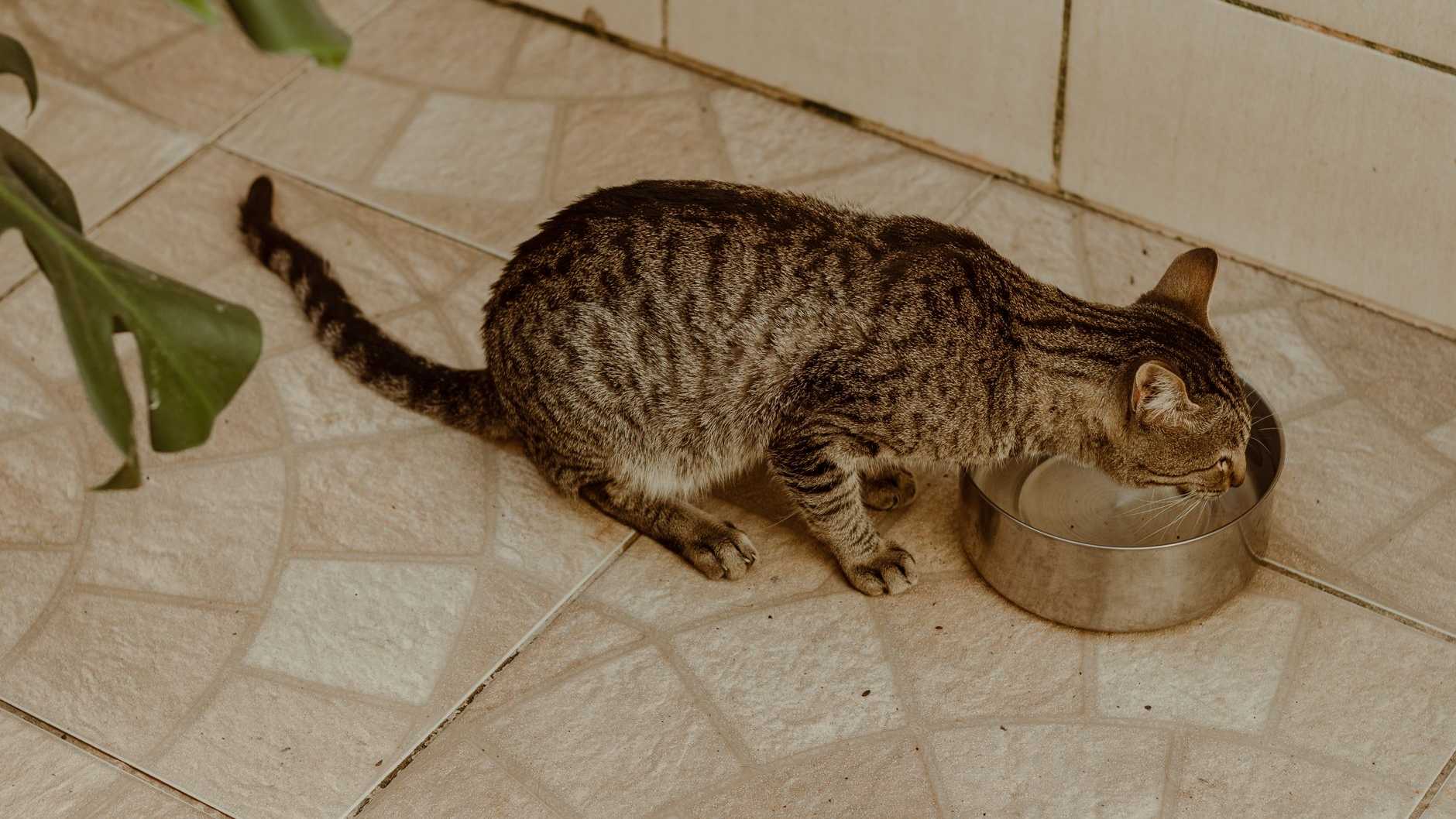
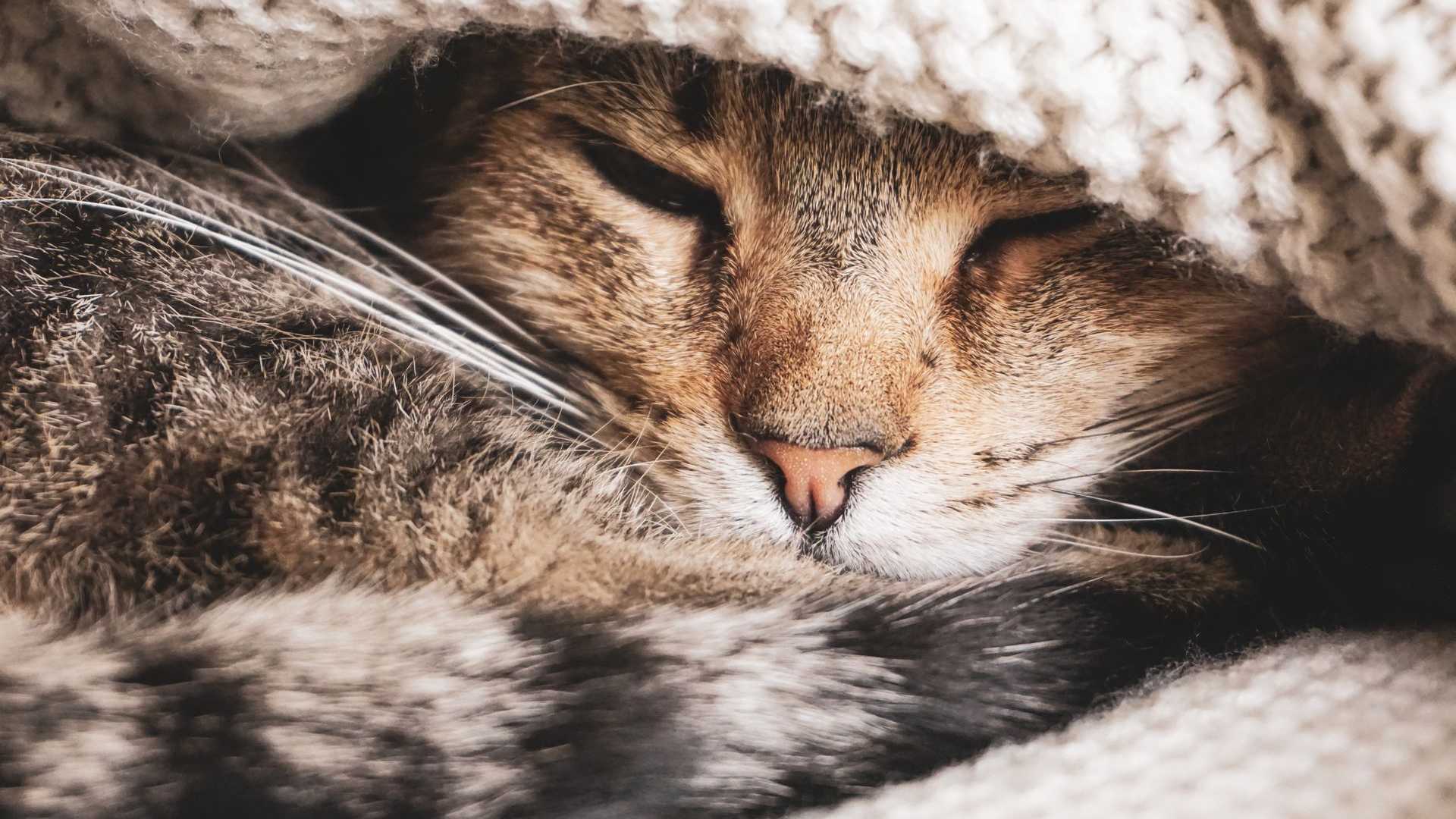
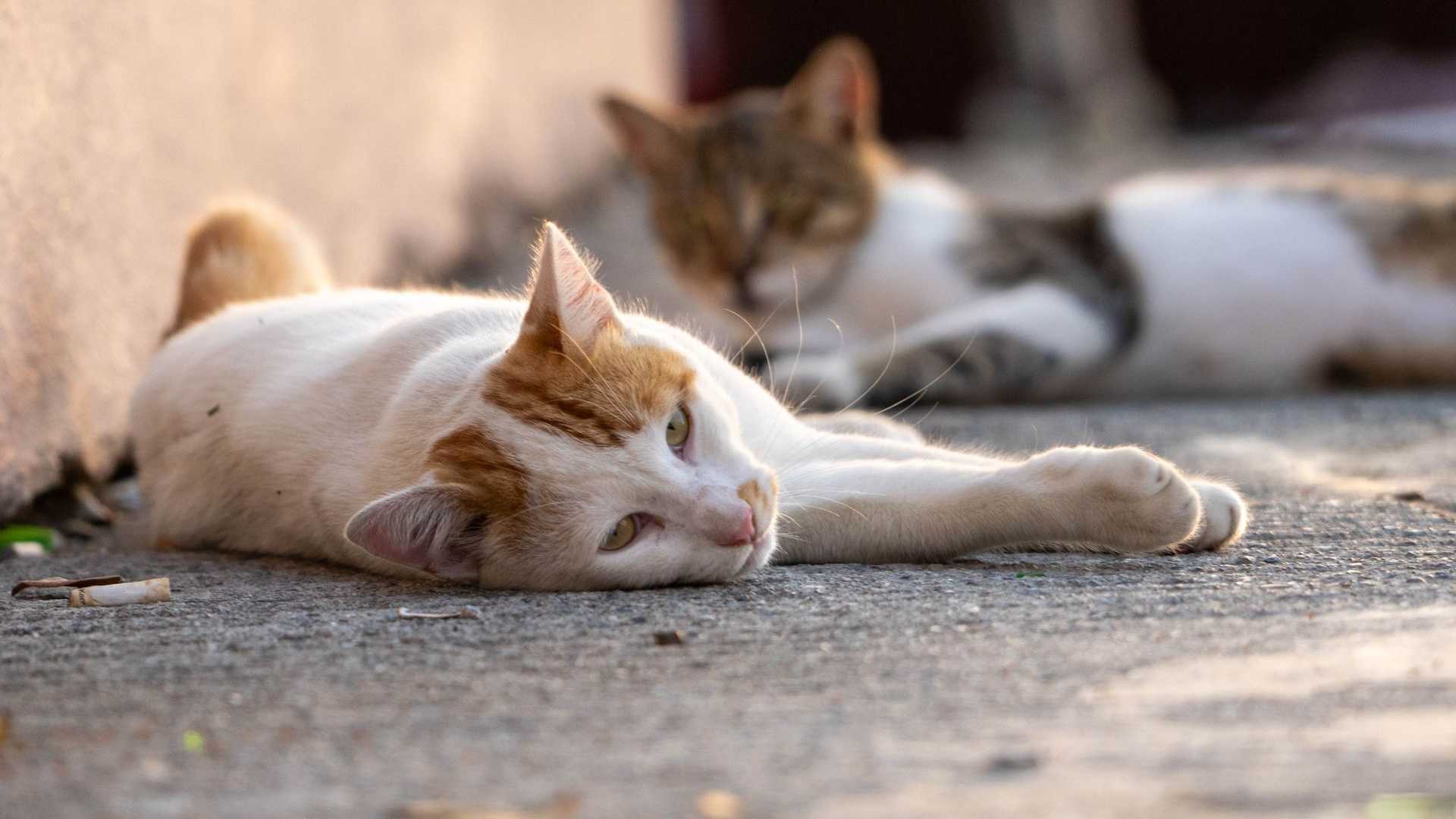
Lethargy is one of those vague-sounding words that actually means something quite specific: a noticeable drop in your pet's energy, activity and responsiveness that goes beyond ordinary tiredness. A dog who flops on the sofa after a long hike is just resting. A dog who won't get up for their favourite walk, or a cat who stops bothering with food or toys and just stays curled up for hours, is showing something different. The key is contrast with their normal baseline: every animal has their own usual energy level, so what counts as lethargic for one pet might be entirely typical for another.
Because lethargy is a symptom rather than a diagnosis, the list of possible causes is long. It can come from something as mundane as heat, a recent vaccination, or a minor infection, right through to pain, anaemia, heart disease, kidney or liver problems, diabetes, hormonal disorders, or poisoning. In dogs, sudden lethargy paired with a swollen abdomen can even point to gastric dilatation volvulus (bloat), a life-threatening emergency, especially in deep-chested breeds. That range is exactly why a vet can't tell what's going on from tiredness alone and will usually want a physical exam and possibly bloodwork, urine tests or imaging to narrow things down.
What should push you from "keep an eye on it" to "get seen soon" is the company lethargy keeps. A few signs that warrant urgent veterinary attention:
- Vomiting, diarrhoea, or fever alongside the tiredness
- Laboured breathing, coughing, or pale, white, blue or yellow-tinged gums
- Collapse, inability to stand, seizures, or noticeable weakness
- Sudden weight loss or obvious pain
- Signs of possible poisoning, such as drooling, tremors, or unusual behaviour
If none of that is present but your pet still isn't themselves after 24 hours, or the low energy keeps recurring, it's still worth booking a routine appointment rather than waiting it out, particularly for puppies, kittens, senior pets, or those with existing health conditions, since they tend to decline faster. While you wait for advice, giving your pet a quiet space to rest and easy access to water is sensible, but it's best to avoid any human medications, since many common painkillers and remedies are unsafe for animals.
The bottom line is that lethargy is your pet's way of flagging that something isn't right, even if you can't pinpoint what. Trusting that instinct and getting a vet's eyes on it early tends to make treatment simpler and outcomes better, whatever turns out to be behind it.