What to Do With a Cat During a Heatwave: Keeping Your Cat Cool and Safe
A practical guide to helping cats stay cool and safe in a heatwave, including how to spot early overheating, recognise heatstroke, and give first aid at home.
- cats
- general medicine
- internal medicine
- Heat Stress
- Pale Gums
- Tremors / Shaking
·
Key takeaways
- Put fresh water in several rooms and refill it through the day
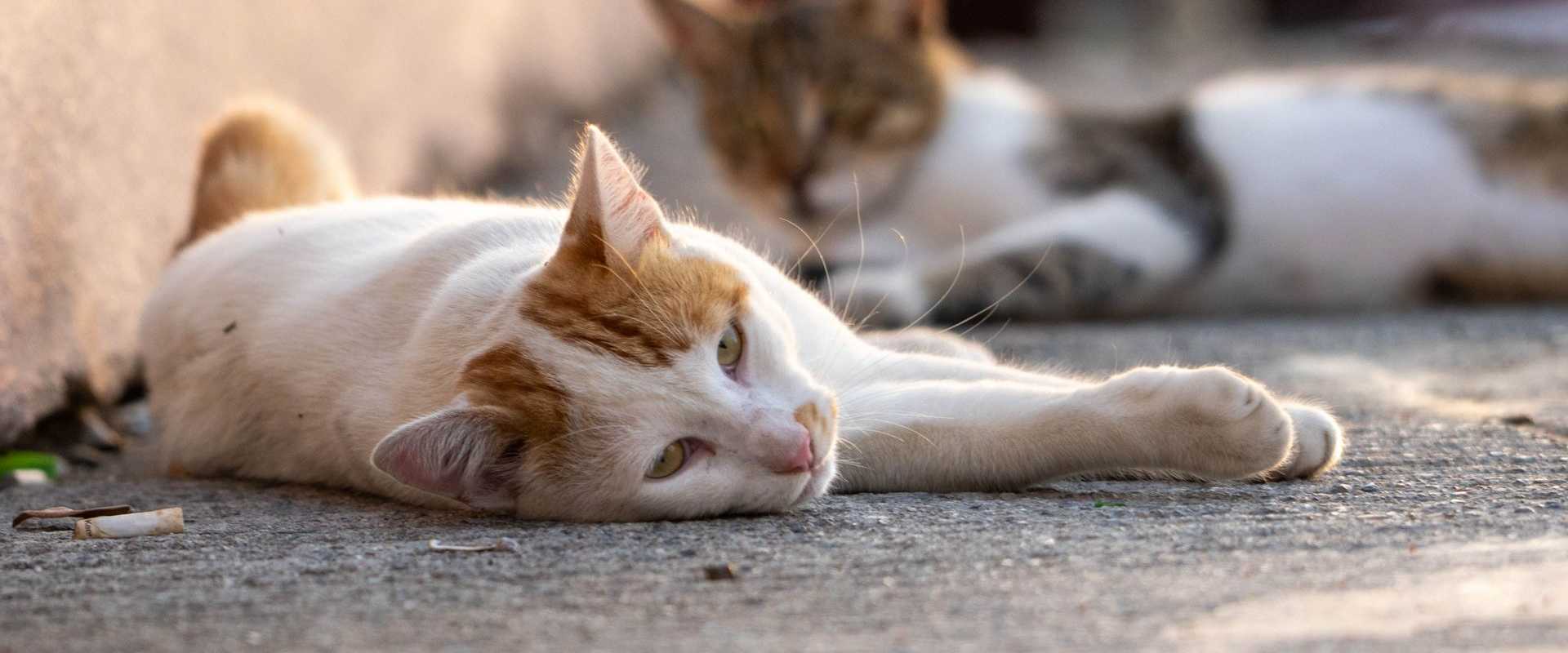
- Let your cat pick a cool spot, like tiled floors, rather than forcing one
- Close blinds on the sunny side and ventilate early morning and evening
- Keep flat-faced, elderly, overweight, long-haired or unwell cats in the coolest room
- Cool an overheating cat with damp towels and a fan, then call your vet
- Never leave a cat in a parked car, even briefly with a window open
Cats hide discomfort well, and that is exactly what makes hot weather risky. Most cats simply flatten out in the coolest corner they can find and wait it out, so an owner can miss the point where coping turns into struggling. Knowing what to do with a cat during a heatwave means setting up the home so your cat can cool itself, recognising the early signs of overheating, and acting quickly if things go wrong. This guide is for anyone with a cat, indoors or with outdoor access, and it is general advice rather than a substitute for your own vet's assessment.
How do cats cope with heat, and why does a heatwave overwhelm them?
Cats have far fewer cooling options than we do. Dogs and cats can only sweat through their paw pads, and they generate more heat than people while wearing a fur coat that traps it. Most of a cat's heat management is behavioural: find shade, lie on something cool, stop moving, drink.
Cats can pant, and they do when heat load becomes severe. In laboratory studies of cats placed in very hot surroundings (40 to 45°C), breathing rate rose about tenfold and core temperature climbed by 2 to 2.5°C despite that effort. Panting is a last-ditch mechanism in this species, not an everyday one.
Water matters more than most people realise. When cats were kept short of water in hot conditions, their evaporative cooling dropped to roughly half of normal levels and their body temperature rose. A dehydrated cat is a cat that has partly lost its ability to cool itself, which is why bowls in several places is not a small detail.
How can I keep my cat cool during a heatwave?
Make the cool option the easy option, and set it up before the heat peaks.
- Water in several places: Put fresh water in more than one room, and outdoors if your cat goes out, in shade rather than sun. Check and refill through the day.
- Shade and cool surfaces: Cats will usually pick their own spot, often a tiled bathroom or kitchen floor. Shade, a cool surface, moving air and drinking water are the basics that help pets cool down, and an air-conditioned or genuinely cool room is best of all if you have one.
- Manage the indoor climate: Close blinds, curtains or shutters on the sunny side during the day and ventilate in the early morning and late evening. Flats directly under a roof heat up hardest.
- Give a choice, not a treatment: Point a fan near your cat rather than straight at them, and leave a clear escape route. Cats cope best when they can pick their own spot and retreat when they want to.
- Shift meals and play to the cool hours: Feed morning and evening, keep play short and gentle in the middle of the day, and let your cat sleep through the worst of it.
- Close off heat traps: Sheds, garages, greenhouses, conservatories and glazed balconies can become dangerously hot with a cat shut inside. Check before you close a door.
What about cats with outdoor access?
Cats with the run of a garden usually manage themselves reasonably well, since they tend to limit their own activity and seek shade when they get too hot. Two things still need your attention: outdoor water needs to be fresh and out of the sun, and a cat who has never been outside should not be introduced to the outdoors for the first time during a hot spell. Encouraging your cat to stay in through the hottest hours is sensible if they will accept it.
Which cats are most at risk in the heat?
Some cats have much less margin than others:
- Flat-faced breeds: Short-nosed cats such as Persians are less heat tolerant because they shift heat less efficiently. Snoring, gurgling or noisy breathing is a sign of limited reserve.
- Very young and elderly cats: Both ends of the age range regulate temperature less reliably.
- Overweight cats and long-haired cats: Extra insulation, in fat or fur, works against them.
- Cats with existing illness: Pre-existing heart or breathing disease, and confinement in a poorly ventilated space, are recognised risk factors for heatstroke in cats and dogs, along with high humidity and lack of access to water. Some medications, including diuretics, also raise the risk, so ask your vet whether your cat's treatment changes anything in hot weather.
If your cat is in one of these groups, keep them in the coolest room in the house during a heatwave and look in on them more often than usual.
What are the warning signs of overheating and heatstroke in a cat?
A relaxed cat should breathe quietly through the nose. Resting breathing rates in the home are normally 30 breaths a minute or fewer, and while panting can be normal in a hot or stressful moment, or in a kitten after rough play, it should settle quickly once the cat is cool and calm. Panting that carries on, or open-mouth breathing with effort, always deserves attention.
Early signs your cat is too hot:
- Panting or open-mouth breathing
- Drooling more than usual
- Restlessness, then seeking out cool floors or hiding
- Lethargy, weakness or reluctance to move
- Rapid breathing and a racing heart
Signs of heatstroke, which is an emergency:
- Heavy, distressed panting or obvious difficulty breathing
- Hot skin
- Gums that are bright red, or dry and tacky, or pale
- Vomiting or diarrhoea
- Wobbliness or uncoordinated movement
- Confusion, tremors or seizures
- Collapse or unconsciousness
- Small red bruise-like spots on the gums, around the eyes or on the belly
A cat showing vomiting, lethargy, red gums or those pinpoint bruises should see a vet as soon as possible.
What temperature is too high?
Healthy adult cats measured indoors sit in a range of 36.7 to 38.9°C, which is lower than the figures many older sources quote. In heatstroke, body temperature usually exceeds 40.5°C. Treat anything at or above 40.5°C as an emergency, and treat a hot, dull or wobbly cat as an emergency whatever the thermometer says. Never delay cooling and calling your vet to hunt for a thermometer.
One caution: a raised temperature is not always overheating. A true fever, driven by infection or inflammation, is different from heat-induced hyperthermia, and cooling is often the wrong move in a genuine fever. If your cat is hot but the house is cool and there has been no heat exposure, phone your vet rather than starting to cool them.
What should I do if my cat is overheating? First aid steps
Work calmly and start cooling before you travel, but do not let cooling delay the trip.
- Move your cat out of the heat: Get them into shade or the coolest indoor room you have.
- Wet the coat with cool, not cold, water: Place towels wetted with room-temperature water around the neck, in the armpits and in the groin, and rewet and replace them every few minutes. The belly and the inside of the thighs are good places to concentrate on.
- Keep air moving: A fan blowing over damp fur speeds up evaporation and does much of the work.
- Do not put your cat in a tub of cold water: Immersion is not recommended as home first aid and can make things worse. Guidance on immersion in a monitored clinical setting is evolving, but that is a decision for the veterinary team, not something to try at home.
- Phone the clinic while someone else cools: Emergency care really does start with the call. Say you are on your way so the team can be ready when you arrive.
- Offer small amounts of water: Once the body temperature starts to come down, small sips are appropriate. Never force water into a cat's mouth.
- Stop active cooling before your cat is cold: Cooling measures are generally stopped around 39.5°C because the temperature keeps falling afterwards, and overshooting into hypothermia causes its own problems.
Even if your cat perks up, still have them examined. Heat injury can damage the kidneys, gut, liver and clotting system, and those effects can surface hours later.
When should I call the vet?
Go to a clinic, and phone on the way, if your cat shows any of these:
- Persistent panting or any difficulty breathing
- Gums that are red, pale, bluish, or dry and sticky
- Vomiting, diarrhoea or heavy drooling
- Stumbling, weakness, tremors, seizures or collapse
- Confusion or unresponsiveness
- A measured temperature at or above 40.5°C
Out-of-hours arrangements differ from country to country and even between towns, so find out now how emergency cover works where you live and save the number before the hot weather arrives. Phoning and being told your cat is fine is always the better mistake.
The one thing never to do
Never leave a cat in a parked car, not for a few minutes and not with a window open. The interior can become lethally hot in as little as 15 minutes. The same applies to carriers left in the sun, greenhouses, sheds and any small closed space. In dogs, where larger datasets exist, heat-related illness was more likely to be severe when the animal could not escape the heat source, such as being shut in a vehicle. There is less published data in cats, but the physics of a closed car is the same. If you must travel in hot weather, keep the journey short, use a well-ventilated carrier out of direct sun, and bring water. If you also share your home with a dog, the precautions for dogs in a heatwave run along similar lines with a few important differences.
The takeaway
Getting a cat safely through a heatwave is mostly preparation plus attention. Set up shade, cool surfaces and water in several places before the heat builds, keep flat-faced, elderly, overweight, long-haired and unwell cats in the coolest room, and learn the difference between a cat lounging happily and one that is in trouble. Persistent panting, drooling, vomiting, red gums or unsteadiness mean you cool your cat with damp towels and a fan and call your vet straight away. When you are unsure, make the call.