Heatstroke
Heatstroke is a life-threatening rise in body temperature that occurs when a dog or cat can no longer cool itself, especially in hot cars, exercise, or humid weather.
Also known as Heat Exhaustion, Hyperthermia, Heat Stroke
Heatstroke happens when a dog or cat's body temperature climbs to a dangerous level and they lose the ability to bring it back down. Unlike us, dogs and cats don't cool themselves through sweating the way people do. They rely mostly on panting and a small amount of sweating through their paw pads. When the air is too hot, too humid, or too still for that system to work, body temperature can spike within minutes rather than hours.
It's more common in dogs than cats, but no pet is immune. Brachycephalic breeds with short muzzles and flat faces are less able to pant effectively and cool down, because their airway structure makes dissipating heat harder, especially during exertion or in high temperatures. Bulldogs, pugs, boxers, Boston terriers, and Persian cats are all at increased risk. Being overweight adds to the danger too, since excess body fat traps heat and makes cooling down harder, while also putting pressure on breathing and panting. Puppies, kittens, senior pets, and animals with heart or airway disease are more vulnerable as well. A large UK veterinary database study found that alongside brachycephalic breeds, higher bodyweight relative to breed average and being over two years old were significant risk factors, with dogs over 50kg also at greater risk.
The classic trigger people picture is a dog trapped in a hot car, and for good reason. One test on a partly cloudy 93°F day found a car's interior could reach 120°F in just 15 minutes, and even on a milder 71°F day, a car parked in the sun with windows cracked hit 116°F within an hour. But cars aren't the only risk. Exercise on a warm or humid day, being left outdoors without shade or water, and even a stuffy room with poor airflow can all bring on heatstroke, sometimes at temperatures that don't feel extreme to us.
Warning signs to watch for include:
- Heavy or frantic panting, or laboured breathing
- Excessive drooling and a very red or purple tongue or gums
- Vomiting or diarrhoea
- Weakness, wobbliness, or collapse
- Disorientation or confusion
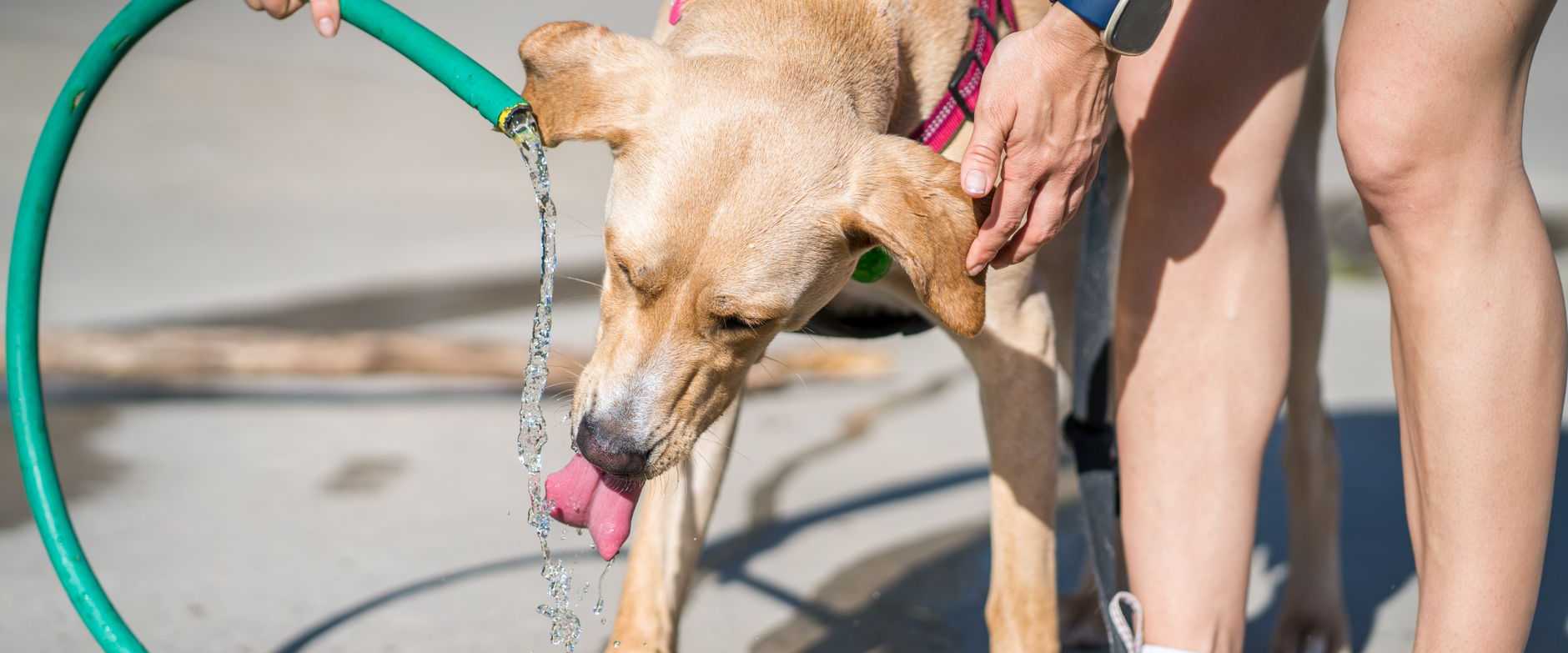
If you notice any of these, the priority is cooling before transport. Move your pet somewhere shaded or air conditioned, and start cooling them with cool (not ice cold) water over the body, ears, and paws, paired with airflow from a fan if you have one. Ice water can actually work against you, since it can reduce blood flow to the skin, limiting their ability to cool down or even causing shivering that generates more heat. Cooling before you head to the clinic makes a real difference: getting cooling started before arrival at the hospital has been shown to raise survival odds from around 50% to 80%. Even so, always follow up with a vet straight after, since a pet that seems fine can still be hiding more serious internal effects that aren't immediately obvious.
Prevention is mostly common sense once you know the risks: shade and fresh water always available, exercise timed for the cooler parts of the day, and extra caution for brachycephalic, overweight, very young, or senior pets. The guides listed below go further into specific first aid steps and hot weather planning for your pet.