Dehydration
Dehydration occurs when a dog or cat loses more fluid than it takes in, causing symptoms like dry gums and low energy that can become serious without prompt fluids and veterinary care.
Also known as Fluid Loss, Low Hydration, Skin Tent Test
Water makes up around 60% of a healthy dog's or cat's body weight, so even a modest shortfall throws things off balance. Dehydration happens when your pet loses more fluid than they take in, whether from not drinking enough, or losing extra fluid through vomiting, diarrhoea, heat, fever, kidney disease, or diabetes. Water carries oxygen and nutrients to every organ, regulates temperature, and keeps joints lubricated, so once losses outpace intake, circulation and organ function start to suffer. Left unaddressed, this can progress toward organ strain, shock, and in severe cases can be life-threatening.
Mild dehydration is easy to miss because pets can't tell you they're thirsty or unwell. Watch for a combination of signs rather than relying on just one:
- Gums that feel dry, sticky, or tacky instead of moist and slick
- Thick, ropey saliva
- Reduced energy, weakness, or unusual quietness
- Loss of appetite
- Sunken-looking eyes
- Skin that's slow to spring back when gently pinched between the shoulder blades
That last one, the skin tent or turgor test, is the check most people have heard of. You lift a fold of skin and see how quickly it settles back. It's a genuinely useful home screening tool, but vets are clear that it isn't foolproof. Dehydration under about 5% usually can't be picked up on a physical check at all, and by the time skin tenting becomes obvious, a meaningful amount of body water has typically already been lost. Body condition and age can also skew the result: overweight pets may have skin that snaps back normally even when they're dehydrated, while thin or elderly pets can look tented simply because ageing skin has lost some elasticity, not because they're short on fluid. In a clinic, vets combine the pinch test with checking gum moisture, capillary refill time (how quickly colour returns after pressing on the gums), eye position, and often blood or urine tests to build a clearer picture.
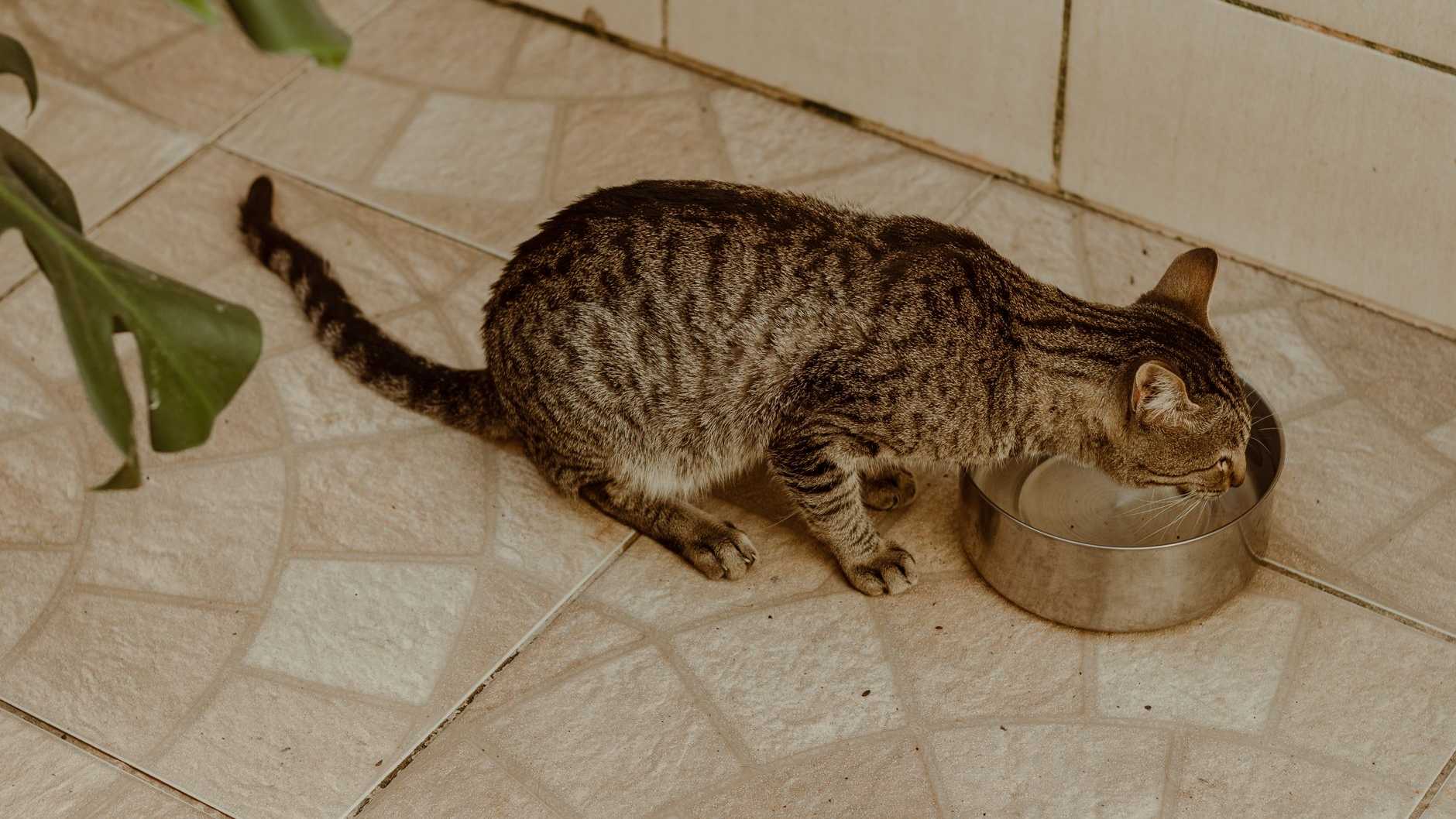
Cats deserve a special mention. Their ancestors were desert animals, so cats naturally have a low drive to drink and are built to concentrate their urine rather than seek out more water. That means dehydration can creep up quietly, particularly in cats with kidney disease, diabetes, or those eating mostly dry food. Feeding wet food, offering fresh water in wide, shallow bowls, and avoiding conflict between pets at the water bowl can all help nudge intake upward. Never force water into a cat's mouth with a syringe, since this is stressful and risks water going down the wrong way.
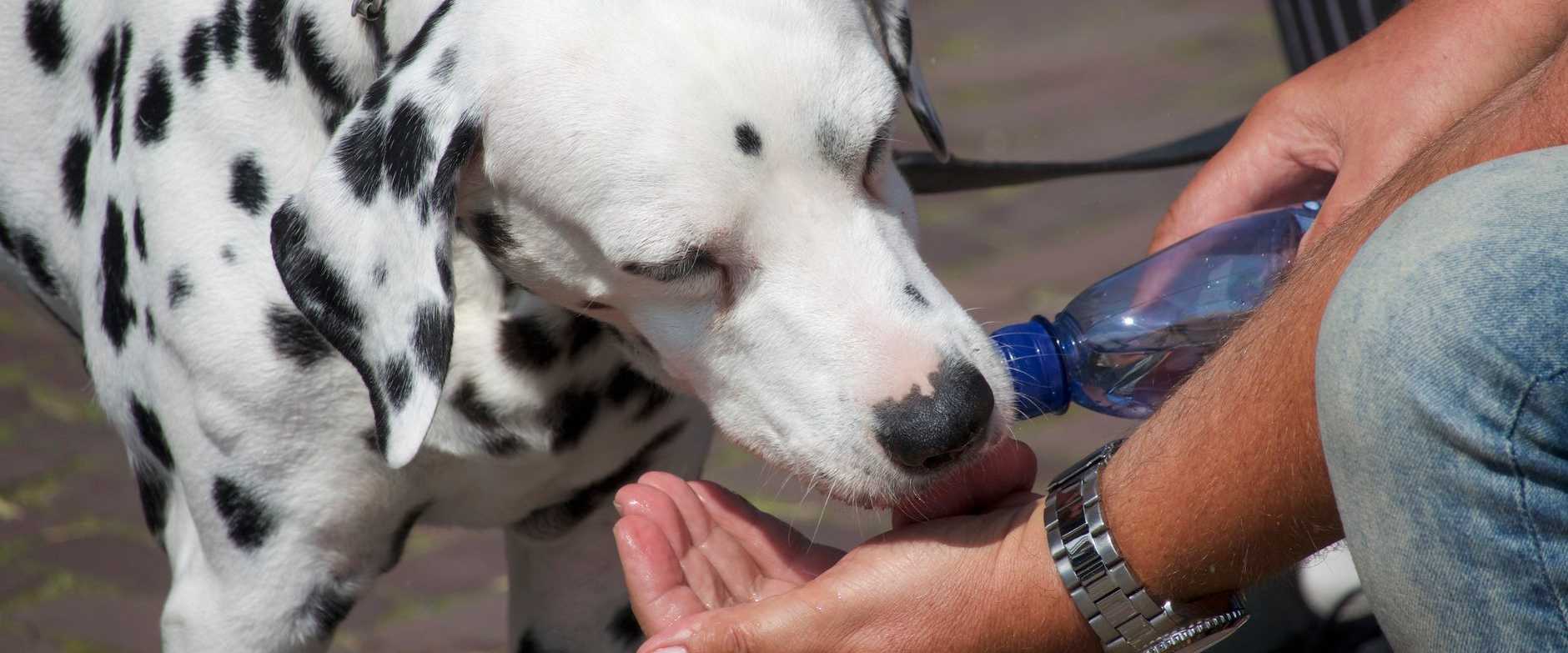
If you notice several of the signs above, especially alongside vomiting, diarrhoea, lethargy, or heat exposure, it's worth contacting your vet rather than waiting to see if things settle. Very mild dehydration can sometimes be managed at home with small, frequent sips of water, but a vet needs to work out how dehydrated your pet actually is and, just as importantly, why. More significant dehydration is usually corrected with fluids given under the skin or into a vein, over a period of hours, since replacing a large deficit too quickly can cause its own problems. Think of dehydration less as a standalone problem and more as a signal that something else, heat, illness, or an underlying condition, needs your vet's attention.