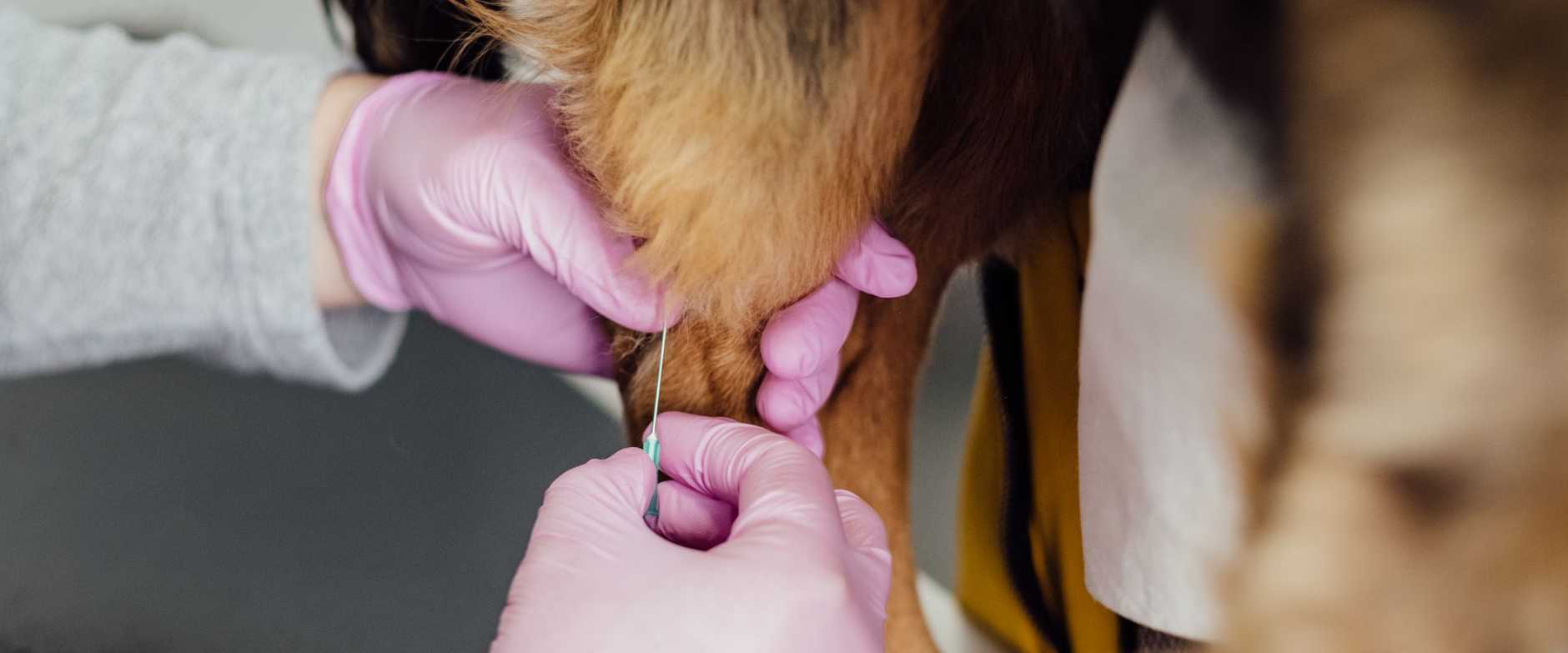
Diabetes Mellitus
A metabolic disease in dogs and cats caused by insufficient insulin or insulin resistance, leading to high blood sugar that requires lifelong management or, in some cats, remission with intensive treatment.
Also known as Diabetes, Sugar Diabetes, DM
Diabetes mellitus in pets happens when the body either can't produce enough insulin or can't respond to it properly. Insulin is the hormone that lets glucose (sugar) move out of the blood and into cells to be used as energy, so without it working correctly, sugar builds up dangerously in the bloodstream while the body's tissues are effectively starving.
Dogs and cats tend to develop this disease in noticeably different ways, which is worth knowing early on. In dogs, diabetes is usually caused by permanent damage to the insulin-producing cells of the pancreas, often linked to pancreatitis, so most diabetic dogs need lifelong insulin replacement to stay stable. Cats more often develop a form closer to type 2 diabetes in people, where the body still makes some insulin but the tissues stop responding to it properly, a state called insulin resistance, where the body may still produce insulin but the tissues do not respond to it correctly. This matters because it changes what owners can realistically hope for: with prompt, intensive treatment, a meaningful proportion of diabetic cats can go into remission and come off insulin entirely, something that's rare in dogs. Estimates of feline remission rates vary quite a bit depending on how the studies were run and how aggressively the cat was managed, with reported remission rates ranging from roughly 17 to 60 percent, though the lower end of that range is considered more reliable. Even cats who do reach remission need ongoing monitoring, since the condition can return.
The warning signs look broadly similar across species, though not identical. Owners typically first notice:
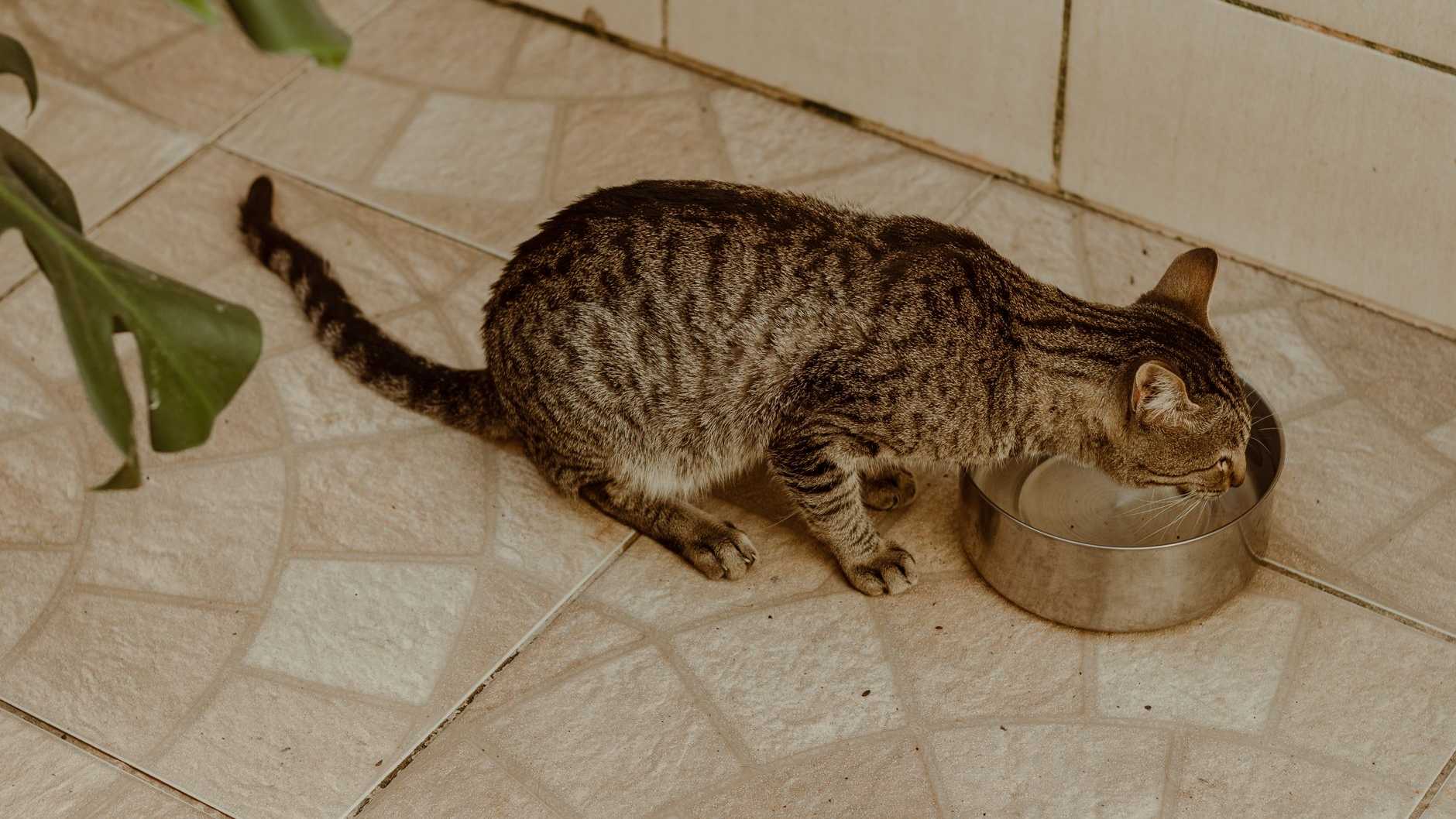
- Drinking and urinating much more than usual
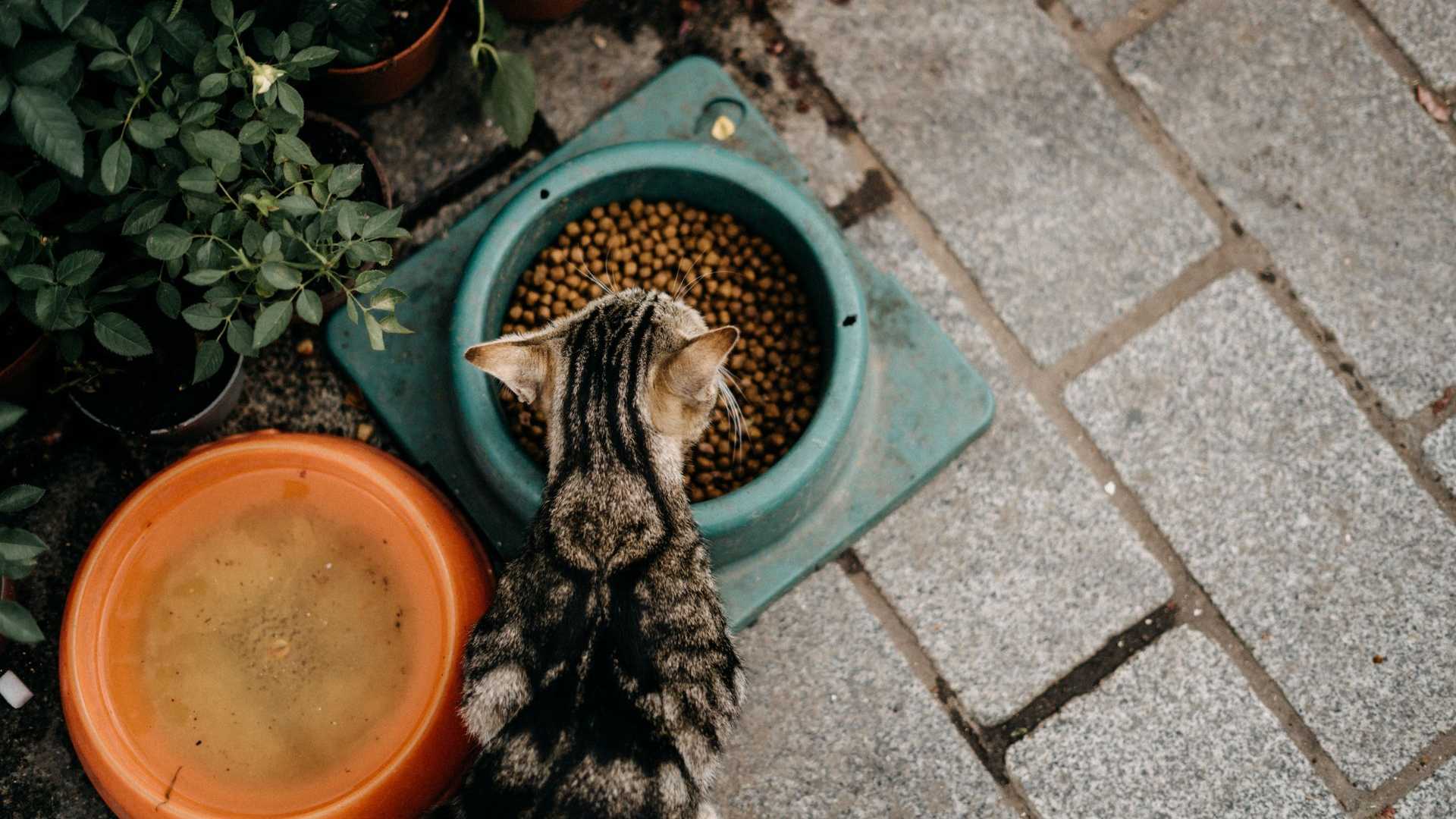
- A ravenous appetite paired with unexplained weight loss, because the body can't use the sugar it's taking in and starts breaking down muscle and fat instead
- Tiredness, weakness, or less interest in play and walks
- In cats specifically, a reduced appetite is sometimes seen instead of the increased hunger typical in dogs
Vets confirm diabetes through blood and urine testing, generally looking for persistently high blood glucose alongside sugar spilling into the urine. In cats, stress alone can temporarily push blood sugar up, so vets often use a longer-term marker called fructosamine, or repeat testing, to avoid a false alarm.
Left untreated, chronically high blood sugar damages organs, nerves, and tissues over time, so catching it early and starting treatment promptly makes a real difference to long-term health and quality of life. Treatment nearly always involves insulin injections paired with dietary changes, and management looks different depending on whether you're caring for a dog working toward stable lifelong control or a cat being pushed hard toward possible remission. None of this needs to be figured out alone. A vet will tailor the testing schedule, insulin type, and diet plan to your individual pet, and the guides below go into that hands-on detail.