Body Condition Scoring
Body condition scoring is a hands-on method vets use to assess whether a dog or cat is underweight, overweight, or at a healthy weight by feeling ribs, waist, and belly tuck.
Also known as BCS, Body Condition Score, Nine-Point Body Condition Scale, Five-Point Body Condition Scale
Body condition scoring is the hands-on check vets use to work out whether a dog or cat is carrying too much fat, too little, or just the right amount, without relying on the bathroom scale alone. The most widely used version is a nine-point scale developed and recommended by the World Small Animal Veterinary Association, where a score of 1 means severely underweight, 9 means severely obese, and 4 to 5 sits in the healthy middle. Some clinics use a simpler five-point version instead, so it always helps to know which scale a number refers to before comparing it against another vet's assessment.
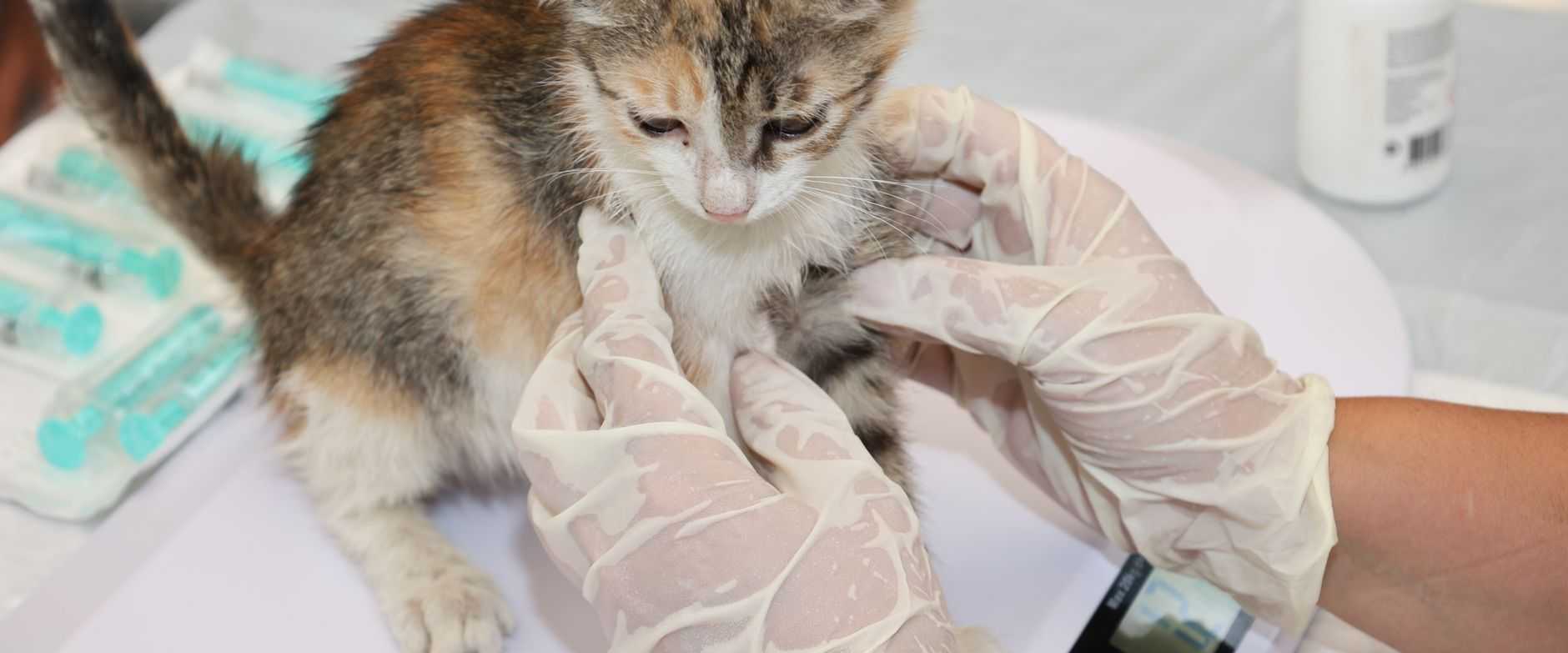
The score comes from looking and feeling rather than just weighing. A vet or trained owner runs their hands along the ribs to check how easily they can be felt under the skin, looks down at the animal from above to see if there's a visible waist behind the ribs, and checks from the side for a slight upward tuck of the belly. Weight in kilograms only tells part of the story, since it can't tell a stocky, muscular breed from a lean one, or a big dog carrying extra fat from a naturally large one. Comparing an animal's weight over time, alongside its body score, gives a much more reliable picture of whether it's actually gaining or losing fat.
This matters more than most owners realise. Recent surveys from the Association for Pet Obesity Prevention found that around 59% of dogs and 61% of cats in the US were classified as overweight or obese, and one of the biggest obstacles to fixing this is that owners often don't recognise it in their own pet. Carrying extra weight raises the risk of joint problems, diabetes, heart and breathing difficulties, and can shorten a pet's life, while being too thin brings its own concerns around muscle wasting, nutrient deficiency, or an underlying illness that needs investigating. Because coat thickness, breed shape, and even a cat's normal belly pouch can disguise the true picture, a hands-on check by a vet is far more accurate than a visual guess from across the room.
Knowing your pet's body condition score gives you a simple, consistent way to track changes between vet visits and to have a more useful conversation about diet, exercise, or any weight changes that come up. It's not a diagnosis on its own, but it's often the first clue that leads to one, and it's something your vet can walk you through and re-check at every appointment.