Excessive Thirst
Excessive thirst (polydipsia) in dogs and cats is an early warning sign of conditions like kidney disease, diabetes, or Cushing's disease and warrants prompt veterinary evaluation.
Also known as Polydipsia, Increased Thirst, Increased Water Consumption
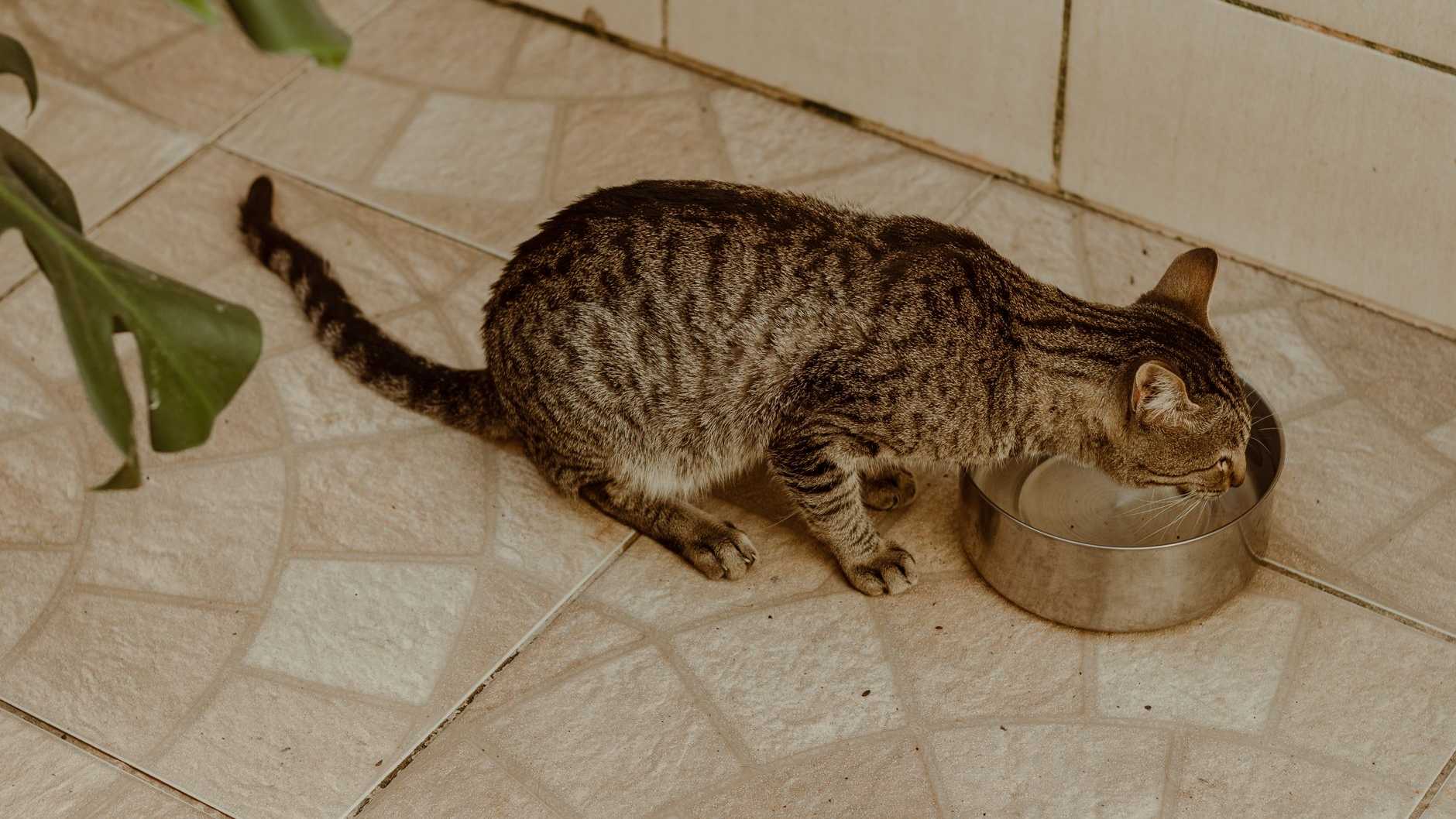
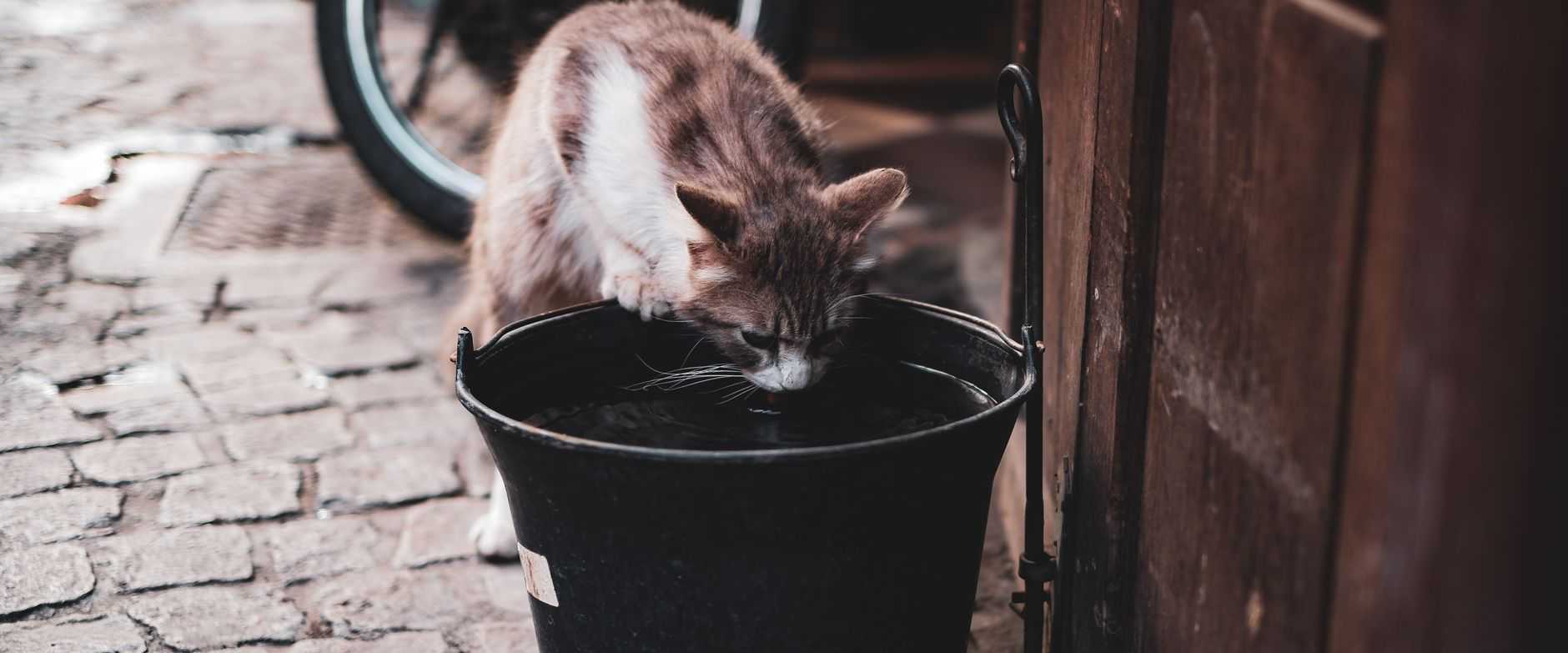
Watching how much your dog or cat drinks might seem like a small thing, but it's one of the most useful early warning signs in veterinary medicine. Most healthy dogs and cats take in roughly 40 to 60 ml of water per kilogram of body weight a day, factoring in whatever moisture they get from food. Vets generally start to worry once intake climbs past 100 ml per kilogram per day, though clinically water intake varies a lot depending on environment, activity level, diet, and the individual animal. In plain terms, if your usual water bowl is suddenly empty by lunchtime, or your cat is drinking from the tap or toilet when it never used to, that's worth paying attention to rather than dismissing as a quirky new habit.
Excessive thirst, known medically as polydipsia, almost always goes hand in hand with excessive urination. The two feed into each other: something makes the kidneys pass more water out as urine, and the body responds by triggering thirst to replace what's being lost. Controlling water intake and urine production actually involves several body systems working together, including the thirst center, kidneys, pituitary gland, and hypothalamus. When one of those systems is disrupted by illness, the whole balance can tip, and increased drinking is often the first outward sign an owner notices, well before more obvious symptoms appear.
The list of possible causes is long, but a handful of conditions account for most cases. In dogs, the most common causes are chronic kidney disease, Cushing's disease, and diabetes mellitus. In cats, chronic kidney disease and diabetes mellitus are also common, but hyperthyroidism is a frequent culprit too. Beyond these, a number of other things can trigger increased drinking, including:
- Urinary tract infections or kidney infections
- Pyometra, a serious womb infection in unspayed females
- Liver disease
- Abnormally high blood calcium
- Certain medications such as glucocorticoids, phenobarbital, or diuretics, and high salt intake
Because so many of these underlying problems are progressive and become harder to manage the longer they go unchecked, increased thirst is never something to wait out. It doesn't tell you on its own what's wrong, only that something in your pet's body is asking for more water than usual. A vet visit typically starts simply, with a physical exam, a blood panel, and a urine test, since the typical diagnostic approach for a pet showing excessive thirst begins with a physical examination, blood work, and urinalysis. Catching the cause early, whether it turns out to be something manageable like a urinary infection or something more involved like diabetes or kidney disease, generally means better treatment options and a better outcome for your pet. The guides below go deeper into the specific conditions and what diagnosis and treatment actually look like.