Hyperthyroidism
Hyperthyroidism is a common hormonal disorder, mainly in older cats, caused by excess thyroid hormone that speeds up metabolism and can harm the heart and kidneys.
Also known as Overactive Thyroid, Thyrotoxicosis, Feline Hyperthyroidism
Hyperthyroidism is one of the most common hormone problems seen in cats, though dogs and other pets can occasionally develop it too. It happens when the thyroid gland, a small structure in the neck, starts pumping out far more thyroid hormone than the body needs. Since thyroid hormone acts like a throttle on metabolism, too much of it revs everything up: the heart beats faster, digestion speeds along, and the body burns through energy at an unsustainable rate.
Most cases in cats come down to a benign growth on the thyroid gland rather than anything sinister. The vast majority of hyperthyroid cats have a benign tumor called an adenoma on one or both thyroid lobes, with less than 3 percent of cases caused by a malignant, cancerous tumor. It mainly affects older cats. Although hyperthyroidism has been diagnosed in cats as young as 4 years old, 95% of cats are older than age 8 at the time of diagnosis, and 90% are over age 10. It develops gradually, so early signs are easy to write off as normal ageing.
Because the disease speeds up the whole body, the clues tend to show up in several places at once:
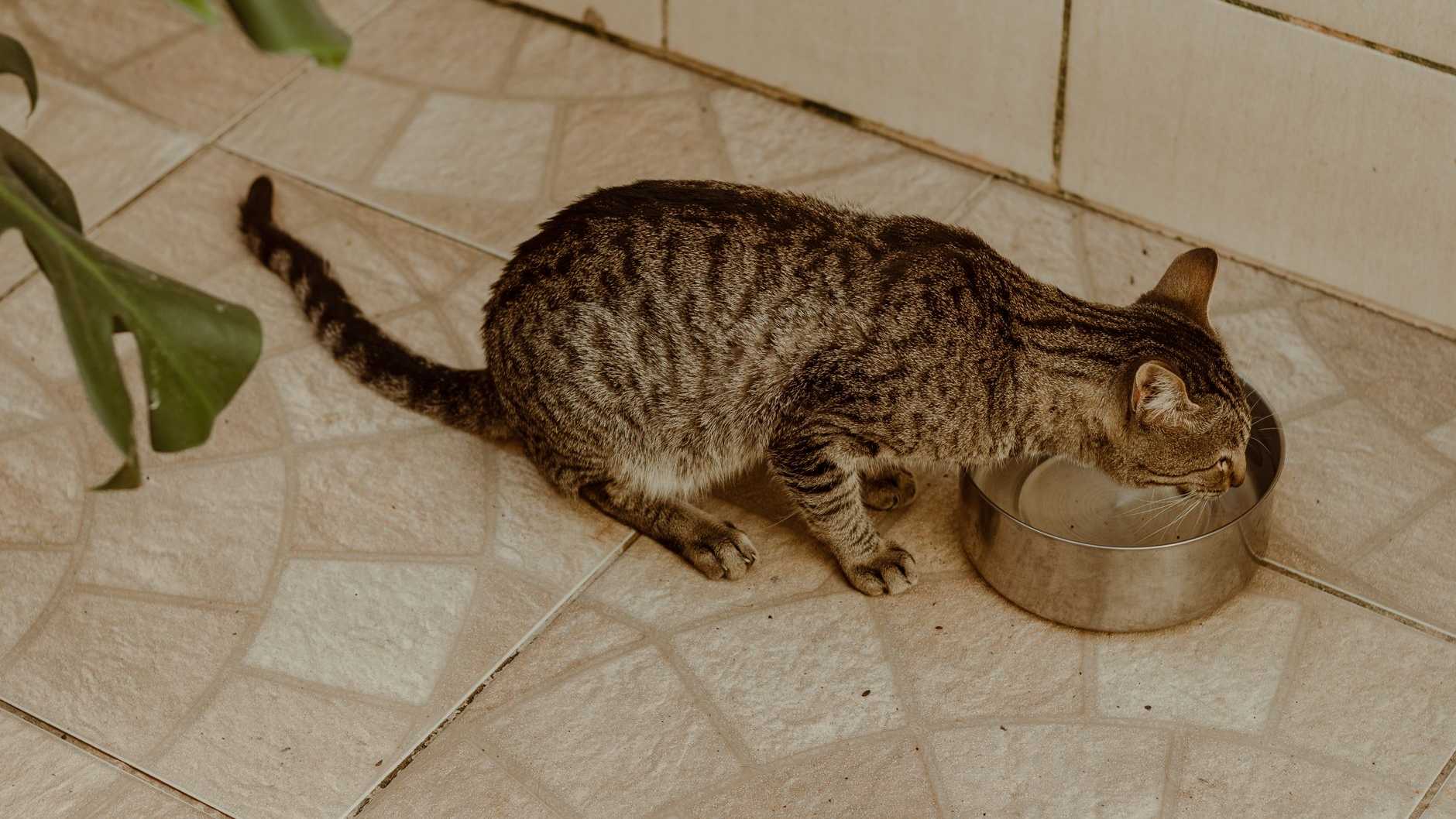
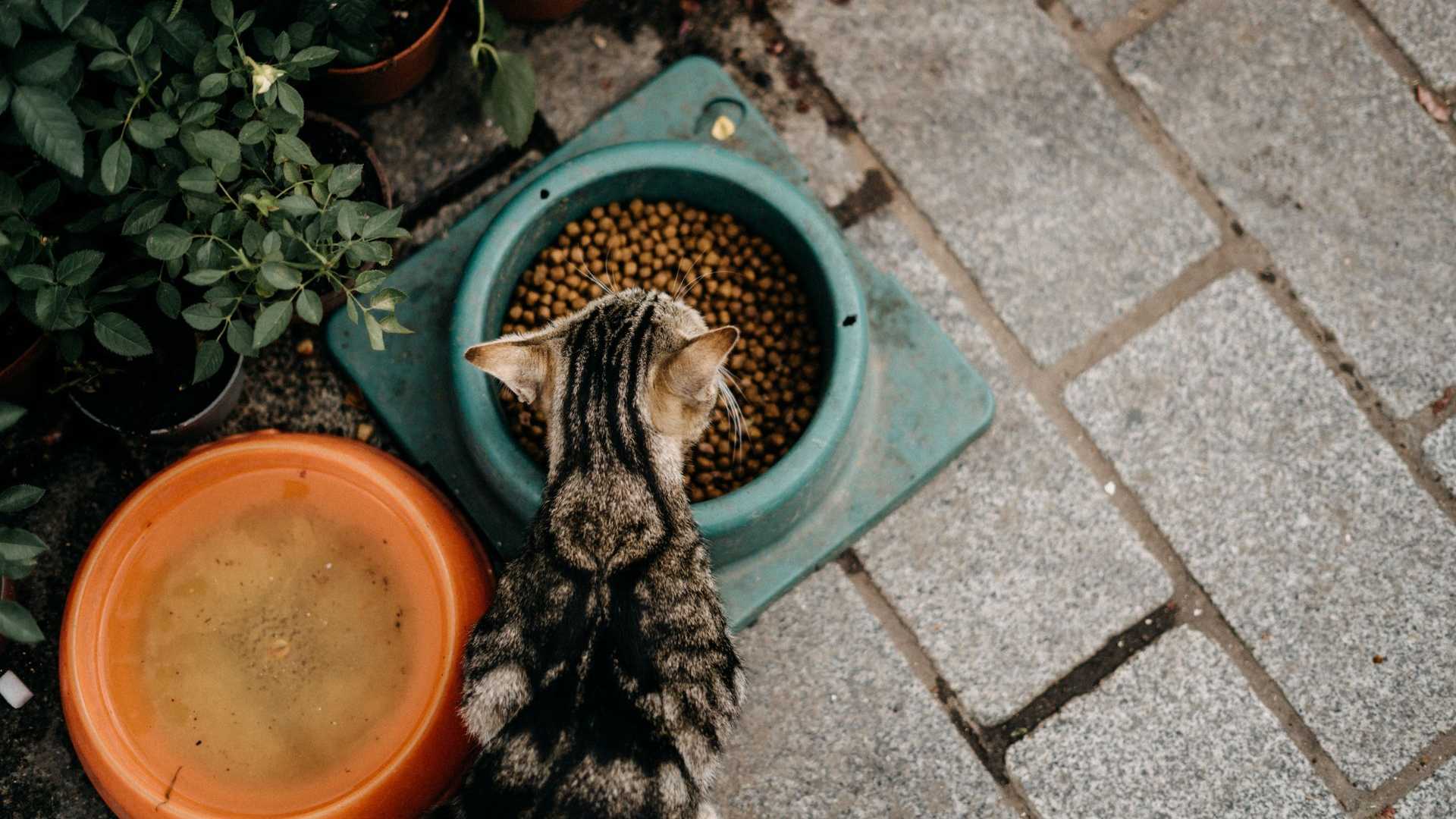
- Losing weight despite eating the same or more than usual, often the earliest and most noticeable sign
- Increased thirst and urination
- Restlessness, hyperactivity, or seeming unusually wound up
- Vomiting, diarrhoea, or a coat that looks greasy or unkempt
- A racing heartbeat, sometimes with a murmur
Left unchecked, the constant strain on the heart can lead to a form of heart disease, and it can also drive up blood pressure and mask or complicate kidney problems that are common in older cats. Although many cats diagnosed with hyperthyroid disease already have kidney disease, untreated hyperthyroidism can also cause kidney disease due to the damaging effects of hypertension on the kidneys. The encouraging part is that both cardiomyopathy and hypertension caused by hyperthyroidism are potentially reversible with appropriate treatment of the underlying disease.
The good news is that diagnosis is usually simple. The first step is a blood test measuring one of the thyroid hormones, total thyroxine, and the level is usually high enough that there is little doubt about the diagnosis. From there, vets have several effective treatment routes to choose from depending on the cat's health and the owner's circumstances, including daily anti-thyroid medication, a prescription iodine-restricted diet, surgery to remove the affected gland tissue, or radioactive iodine therapy, which can permanently resolve the condition in most cases. Radioiodine treatment can cure the hyperthyroidism in most cases, while anti-thyroid drugs won't cure the condition but will control it, either short-term or long-term.
Because the symptoms creep in slowly and overlap with other conditions common in senior cats, regular checkups matter more than watching for any single dramatic sign. If your cat is getting older and seems to be eating more but losing weight, drinking more, or just acting a bit different, it is worth having your vet feel the thyroid gland and run a simple blood test. This is general background, not a diagnosis, so the guides below can walk you through what to expect at each stage of testing and treatment.