Weight Loss
Covers both intentional weight loss for overweight pets and unexplained weight loss that can signal underlying illness.
Also known as Unexplained Weight Loss, Unplanned Weight Loss, Pet Obesity, Weight Management
Weight loss in pets comes up in two very different contexts, and it's worth knowing which one you're dealing with. One is planned weight loss for a pet carrying too much body fat, and the other is unplanned weight loss that shows up on its own and can be a warning sign of illness. Both matter, just for opposite reasons.
Carrying extra weight is extremely common. According to a 2022 survey by the Association for Pet Obesity Prevention, 59% of dogs and 61% of cats were classified as overweight or having obesity that year. What makes this tricky is that most owners genuinely can't see it: the same survey found that only 39% of dog owners and 45% of cat owners considered their pet overweight, despite clinical data showing more than half of dogs and cats carry excess body fat. That gap matters because carrying extra weight isn't just about appearance. It raises the risk of joint problems, diabetes, heart and respiratory disease, and can shorten a pet's life, and being overweight has been linked to a reduction in lifespan of up to two and a half years. When a vet talks about helping a pet lose weight, they're usually working from a body condition score, a hands-on scale that looks at how easily you can feel the ribs and see a waist, rather than the number on a scale alone, since weight alone doesn't tell you how much of that is fat versus muscle.
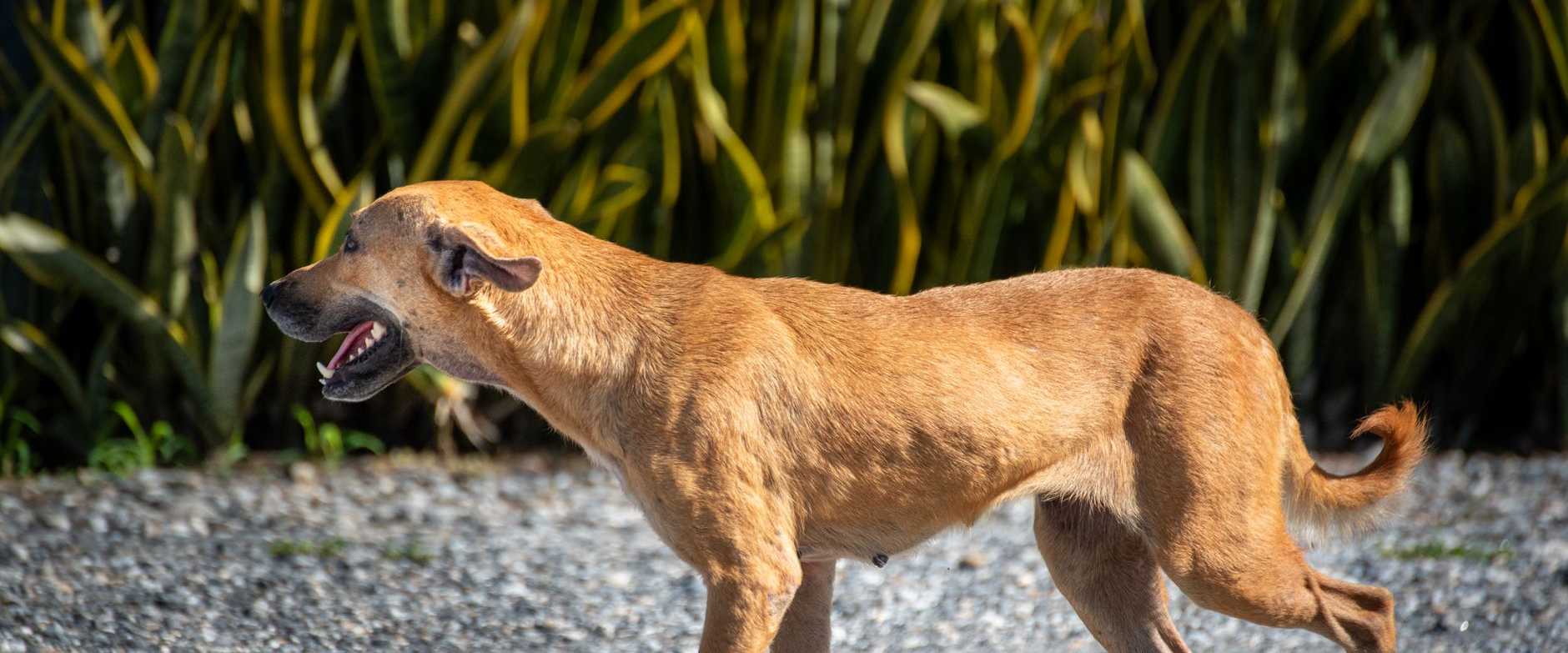
Unplanned weight loss is the opposite concern, and it deserves just as much attention. If a pet starts dropping weight without a deliberate diet change or increase in exercise, that's often an unwelcome sign of disease, especially when the loss is rapid or amounts to more than about 10% of body weight. The list of possible causes is broad, ranging from dental pain that makes eating uncomfortable, to parasites, gastrointestinal disease, thyroid or other hormonal disorders, kidney or liver disease, and in some cases cancer. Cats are particularly good at hiding illness, so gradual weight loss can sometimes be the only outward clue that something is wrong.
A few signs that unplanned weight loss needs a vet visit rather than a wait-and-see approach:
- Weight dropping despite no change in diet or activity
- Loss alongside vomiting, diarrhea, increased thirst or urination, or lethargy
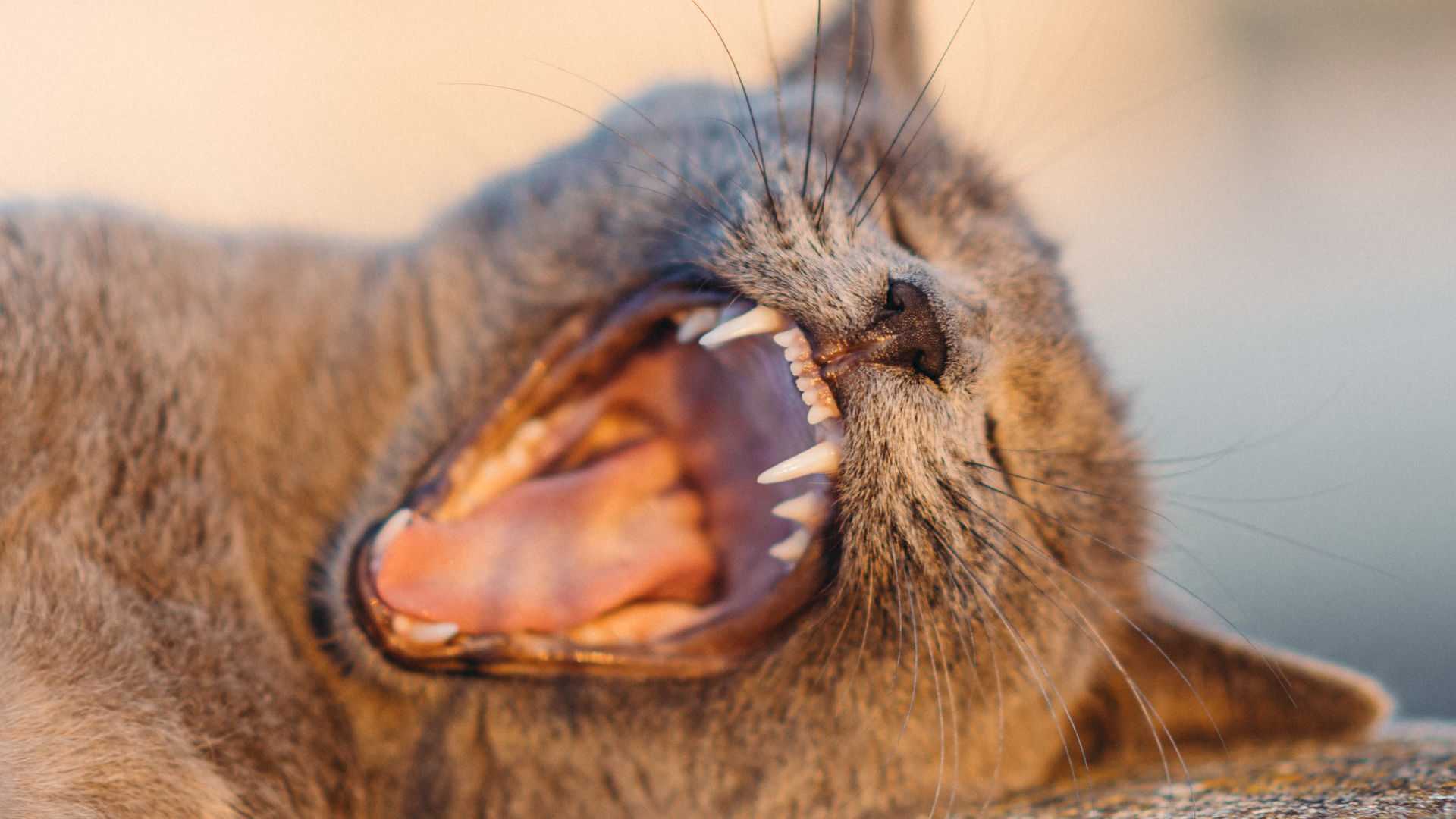
- Trouble chewing, bad breath, or reluctance to eat
- Any new lumps, bumps, or swelling noticed alongside the weight change
Whichever direction the scale is moving, the useful first step is the same: get your pet weighed and body-condition scored by a vet rather than relying on how they look at home. From there, a vet can work out whether you're looking at a nutrition and exercise plan to shed weight safely, or a diagnostic workup to find out why weight is coming off on its own. The guides below go deeper into managing both sides of this.