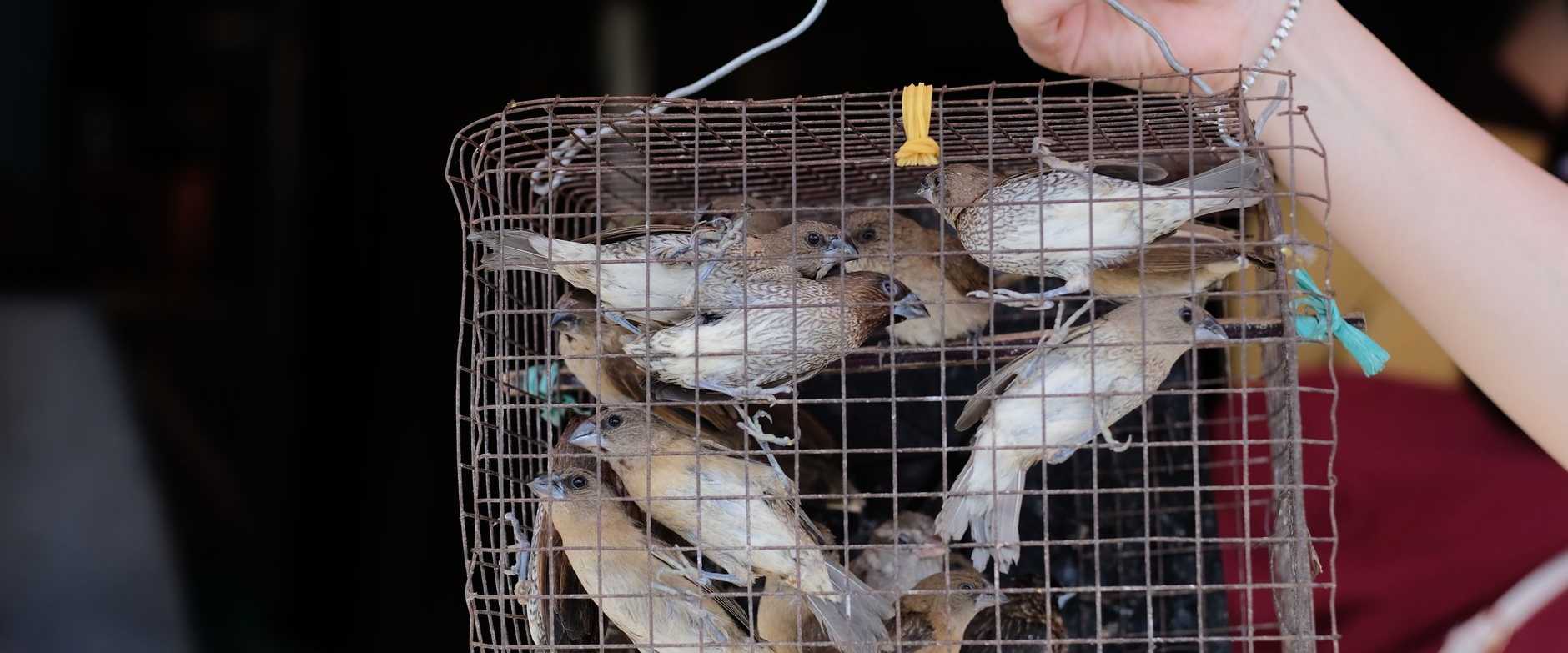
Capture Myopathy
Capture myopathy is muscle damage caused by extreme stress and exertion, such as chasing, netting, restraint or transport, that can lead to organ failure or death.
Also known as Exertional Myopathy, Exertional Rhabdomyolysis
Capture myopathy is muscle damage caused by extreme stress and exertion, usually after an animal has been chased, netted, held, immobilised or transported. It shows up under other names too, exertional myopathy or exertional rhabdomyolysis, which just describe muscle tissue breaking down after being pushed far beyond what it can safely do. In a panicking animal the muscles work harder than their oxygen supply can support, the blood turns acidic, body temperature climbs, and muscle fibres start to die. What leaks out of those damaged fibres, including the muscle pigment myoglobin along with potassium and muscle enzymes, ends up in the bloodstream, and the kidneys are what usually bear the brunt of it, with kidney or wider organ failure the common cause of death.
It was first documented in an antelope in Kenya in 1964, and cases have since turned up across mammals, birds, reptiles and marine animals. Hoofed species such as deer and antelope feature heavily in the literature, and research comparing predator and prey muscle fibres suggests wild species built for sudden bursts of speed may be particularly prone to this kind of damage under extreme exertion. That is not just a wildlife problem. Rabbits, guinea pigs, birds and reptiles kept as pets still carry the same flight instincts as their wild relatives, and long, forced exertion in horses causes a closely related muscle injury. A prolonged chase around the garden, a rough struggle during restraint, or a hot, cramped journey can be enough to tip a frightened animal over that edge.
Vets and wildlife specialists note that the syndrome is not simple exhaustion or acid buildup on its own. The British Deer Veterinary Association describes it as a broader disturbance of the body's metabolism, and onset is genuinely unpredictable: some animals collapse or die within minutes of a struggle, while others look fine at first and then deteriorate hours, days, or in documented deer cases as long as two days later. That delay is exactly why a stressful capture, chase or transport is worth mentioning to a vet even when your pet seems to have shaken it off.
Signs worth an urgent call to a vet after any frightening chase, capture, restraint or journey include:
- Trembling, stiffness, weakness, or muscles that feel hard and painful
- Difficulty standing or walking, wobbliness, or an animal that lies down and will not get up
- Fast breathing, a racing heart, or a body that feels unusually hot
- Dark brown or red-tinged urine
- Collapse, or sudden death with no clear warning
There is no specific cure once the damage is underway. Treatment is supportive, and in the more severe human and animal cases described in the medical literature it centres on intravenous fluids to protect the kidneys and help clear the breakdown products from circulation, alongside cooling, pain relief and quiet rest. Exotic pet birds with this kind of overexertion injury are often unable to stand even while otherwise alert, and recovery, when it happens, can take weeks of simply being left undisturbed to heal rather than handled or exercised. Outcomes are generally guarded, which is exactly why prevention matters more than treatment here. Keep handling brief and calm, avoid prolonged chasing, avoid catching or moving animals in the heat of the day, use a dark and well ventilated carrier, and ask your vet about sedation for animals that panic badly during routine exams or transport. If you come across injured or trapped wildlife, do not try to free or catch it yourself, contact a vet or a licensed wildlife rehabilitator who can plan a capture that keeps the struggle to a minimum.
This is general information, not advice for a specific animal. If your pet has been through a frightening capture, chase or journey and is not moving or behaving normally afterwards, get it seen by a vet the same day rather than waiting to see if it passes.