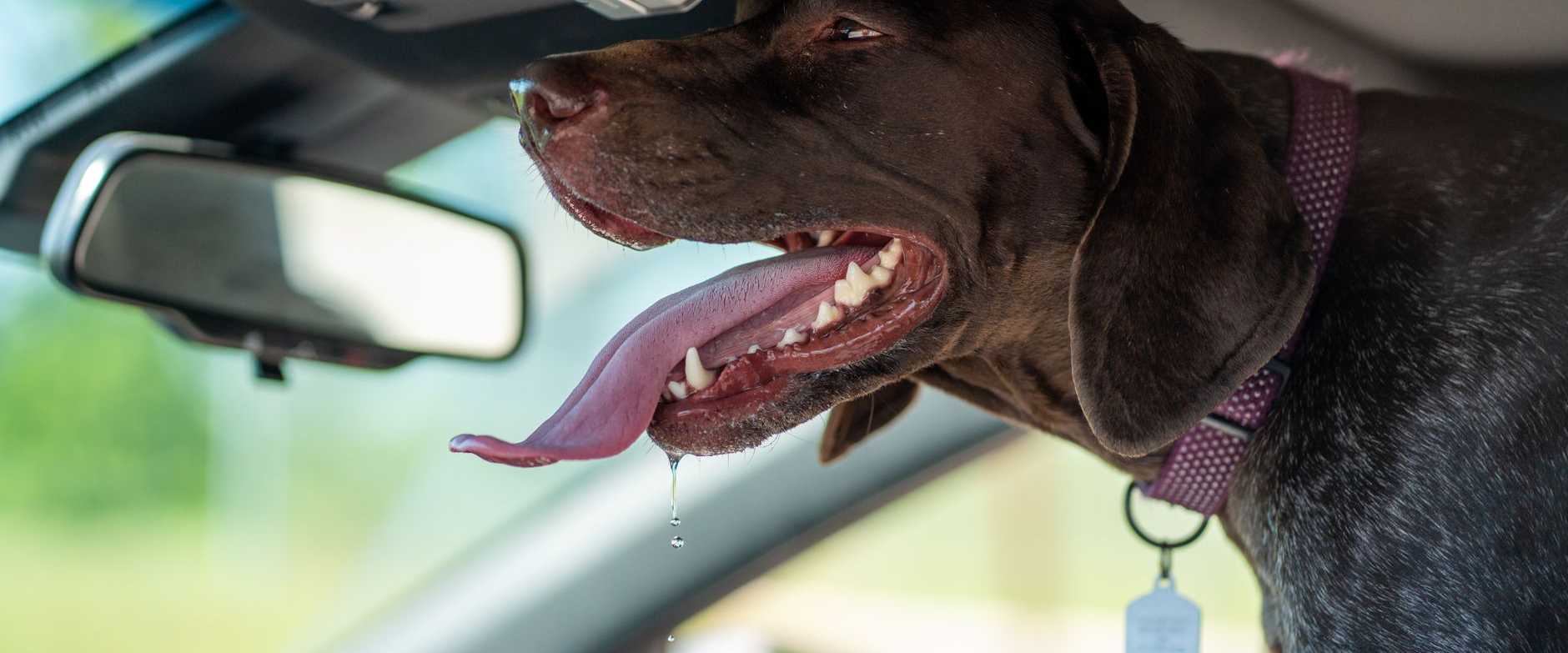
Car Travel Safety
Car travel safety means keeping pets secure, calm, and protected from injury, motion sickness, and overheating on every car journey.
Also known as Pet Car Safety, Safe Car Travel for Pets
Car travel safety means preventing the four main things that can go wrong on a drive: motion sickness, physical injury, overheating, and stress or anxiety. It is also about protecting everyone else in the car. ADAC crash tests show that a 20 kg dog travelling at 50 km/h hits with a force of more than 500 kg in a frontal collision, and a 35 kg dog can strike with close to a tonne. Even a 5 kg dog can land with roughly 150 kg of force or be catapulted into a child seat during a sudden swerve. The PDSA adds that unrestrained pets routinely distract drivers, whether they wander the cabin, climb into a footwell, or block the driver's view.
The safest setups are simpler than they sound. Cats should travel in a sturdy, well-ventilated carrier that stays closed for the whole journey. Small dogs do best in a carrier placed in the rear footwell or belted into the back seat. Larger dogs should ride in the back seat on a crash-tested harness or inside a crate secured in the boot. A boot cargo grid on its own is not enough: it stops a dog reaching the cabin, but an unharnessed animal can still be thrown against the car's interior in a crash.
A few habits make a real difference too. Feed a light meal three to four hours before departure, stop at least every two hours on long drives so dogs can stretch and drink while on a lead, and keep heads inside the vehicle, because airborne debris can cause serious eye injuries and a dog can fall or jump out. Holding a pet on your lap is not a safe shortcut, since a front airbag can crush an animal and no person is strong enough to hold one during a sudden stop. Never leave a pet in a parked car, even with the windows cracked, because the AVMA notes that interior temperatures climb sharply within minutes.
Some pets show clear signs that the trip is too much for them. Watch for drooling, lip licking, restless pacing, heavy panting, whining, and vomiting. If you see these, a vet can help. Veterinarians check pets before travel, update microchip records, issue health certificates, and can prescribe anti-nausea medication such as maropitant, or anxiety medication such as gabapentin or trazodone, for pets that find travel hard. The AVMA and AAHA advise against heavy sedatives or human tranquillisers, which can interfere with a pet's balance and ability to regulate body temperature. If you are crossing an EU border, dogs, cats, and ferrets also need a readable microchip, a valid rabies vaccination, and an official EU Pet Passport issued by a vet.