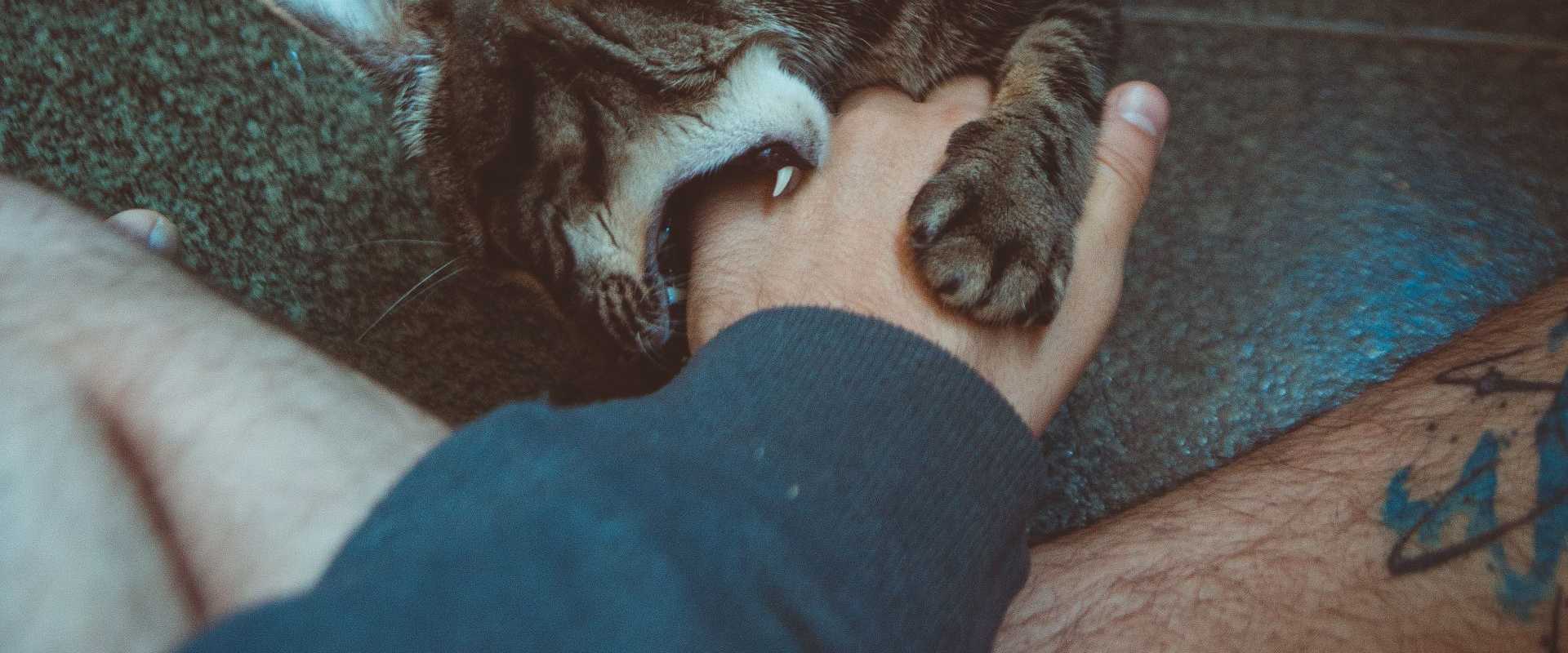
Cat Attack Injury
Injuries from cat fights, mainly deep puncture wounds that seal over and turn into painful, infected abscesses if not treated.
Also known as Cat Bite Wound, Cat Fight Injury, Cat Fight Abscess
A cat attack injury usually means one thing to a vet: a bite wound. Cats have long, thin canine teeth that punch small, deep holes in the skin, and those tiny holes are deceptively dangerous. They tend to seal over within hours, trapping bacteria from the attacker's mouth deep under the skin where it can multiply undisturbed. What starts as a barely visible mark can turn into a swollen, painful abscess days later, long after the fight itself is forgotten.
The bacteria most often responsible is Pasteurella multocida, which lives naturally in cats' mouths. If the skin over the wound is loose, like on the body or hips, the trapped infection typically forms a pus-filled pocket, an abscess. If the skin is tight, such as on the tail or lower leg, the infection tends to spread outward through the tissue instead, causing a condition called cellulitis. Either way, a fever, lethargy, and a hot, tender swelling are common signs that infection has taken hold, and it's why VCA and other veterinary sources note that fight wounds are especially common in unneutered male cats defending territory.
Because you often can't see the actual puncture through fur, a cat that's been in a fight deserves a proper check even if nothing looks wrong. A vet will feel over likely bite sites (the head, neck, base of the tail, and legs) and, if an abscess has formed, will need to lance and flush it, sometimes under sedation, and send your cat home with antibiotics and pain relief. Caught within the first day, a course of antibiotics can often stop an abscess from forming at all.
Watch for these signs after any suspected fight:
- Sudden swelling, heat, or firmness anywhere on the body
- Limping, reluctance to be touched, or hiding more than usual
- Fever, lethargy, or reduced appetite
- A wound that smells bad or oozes pus or blood
- Excessive licking or grooming at one spot
Bites aren't only a bacterial risk. They're also one of the main ways serious viral diseases like feline immunodeficiency virus (FIV) spread between cats, which is why vets often recommend testing a few months after a known fight if your cat isn't already on top of routine care. Keeping cats neutered and limiting unsupervised outdoor time, especially at night when most fights happen, are the most effective ways to prevent this kind of injury in the first place. If your cat has been in a scrap, don't wait for obvious swelling. A same day check-up is the safest way to head off a painful abscess before it starts.