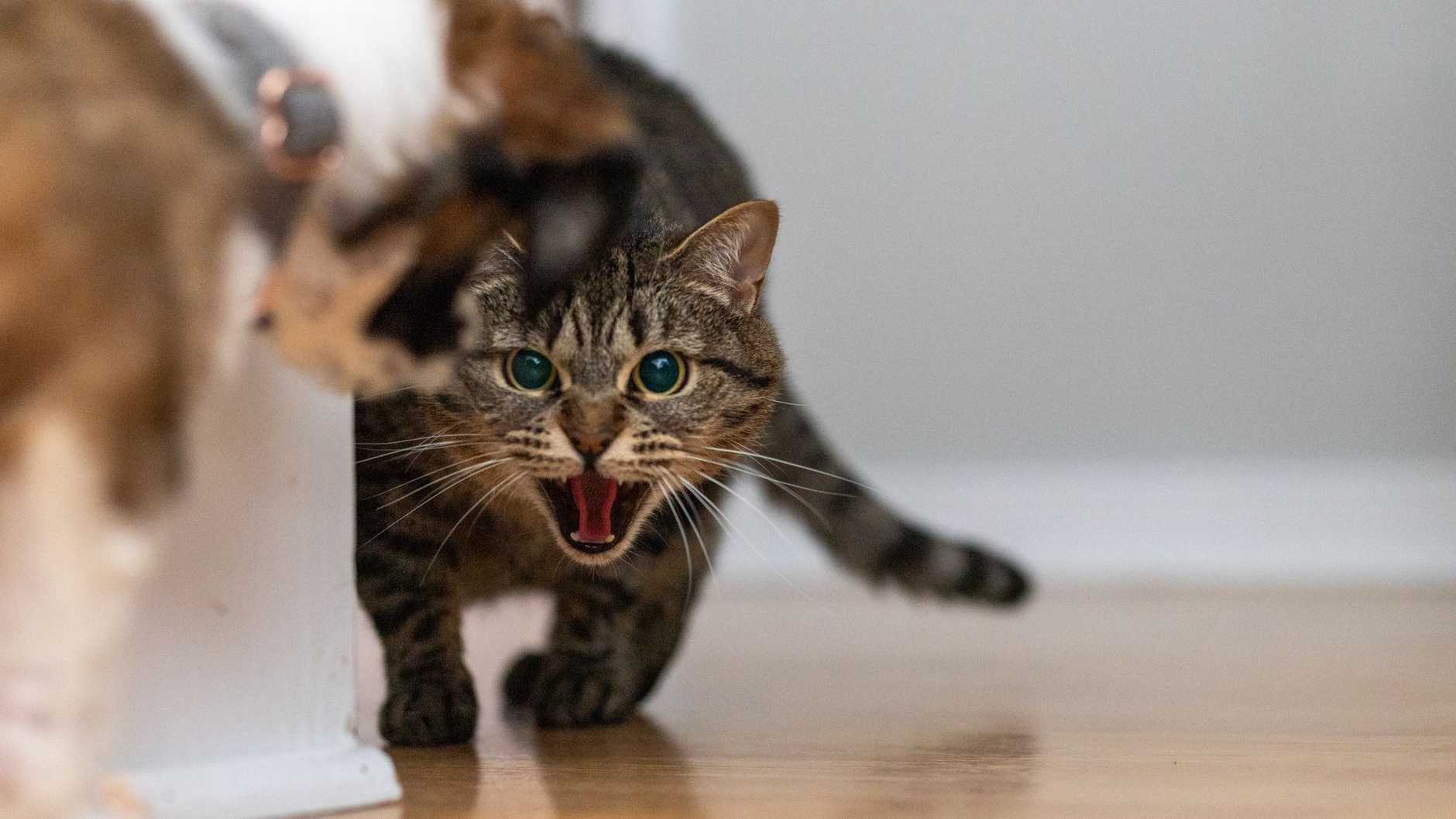
Changes in Behavior
A sudden or unusual change in a dog's or cat's behavior is often an early warning sign of an underlying medical problem rather than just a training issue.
Also known as Behavioral Changes in Pets, Sudden Behavior Change, Behavior Problems in Dogs and Cats
When your dog or cat starts acting differently, whether that's a new fear, less interest in play, sudden irritability, or a dog who's suddenly soiling the house, it's easy to assume it's "just behavior" and something to train away. In reality, a change in behavior is often the very first sign something is physically wrong. Vets describe this as a core diagnostic principle: the first symptom of almost any illness is a shift in how an animal acts, long before more obvious signs of disease appear.
This is why a sudden or out of character change deserves attention rather than a quick behavioral fix. Pain is one of the biggest hidden drivers. It has been linked to things like noise sensitivity, food guarding, aggression, overgrooming, and house soiling in both cats and dogs, and one review of referral caseloads found a painful condition behind a third to as many as four out of five problem behavior cases. Hormonal problems matter too: an overactive thyroid can make a cat restless, vocal, and short tempered, while thyroid or adrenal gland disease in dogs can show up as new aggression, house soiling, or excessive thirst and appetite. Neurological issues can also masquerade as odd behavior, with partial seizures sometimes looking like repetitive snapping at invisible flies or sudden unexplained aggression rather than a classic convulsion.
A few patterns should raise your suspicion that something medical is going on rather than a training issue:
- A behavior appearing suddenly, out of nowhere: especially in an animal with no previous history of it
- A change in an older pet: new aggression, confusion, or house soiling in a senior animal is not just "getting old," it often has a findable cause
- A long standing, stable habit getting worse or changing shape: this points to something new happening underneath
- Behavior that seems inconsistent or unpredictable: varying in how often, how intense, or in what situations it occurs
- Any drop in appetite, activity, grooming, or sleep alongside the behavior change
Because the line between "medical" and "behavioral" is genuinely blurry, a vet visit is the right next step rather than guessing at home. A proper work up usually starts with a detailed history (when it started, how often it happens, what else has changed) alongside a physical and sometimes neurological exam, and a vet may run blood work, urine tests, or other diagnostics to rule out an underlying illness before concluding the issue is purely behavioral. Taking a video of the behavior at home, including things like how your pet moves, jumps, or settles, can be genuinely useful for your vet to review alongside the exam.
It's worth saying plainly: behavior changes are not something pets "grow out of" or that resolve on their own with time. Catching them early, and treating any medical cause behind them, gives the best chance of things improving rather than becoming an entrenched habit.