Eye Discharge
A guide to what's normal versus concerning in dog and cat eye discharge, its common causes, and when it warrants a vet visit.
Also known as Eye Gunk, Eye Goop, Watery Eyes, Runny Eyes, Eye Boogers
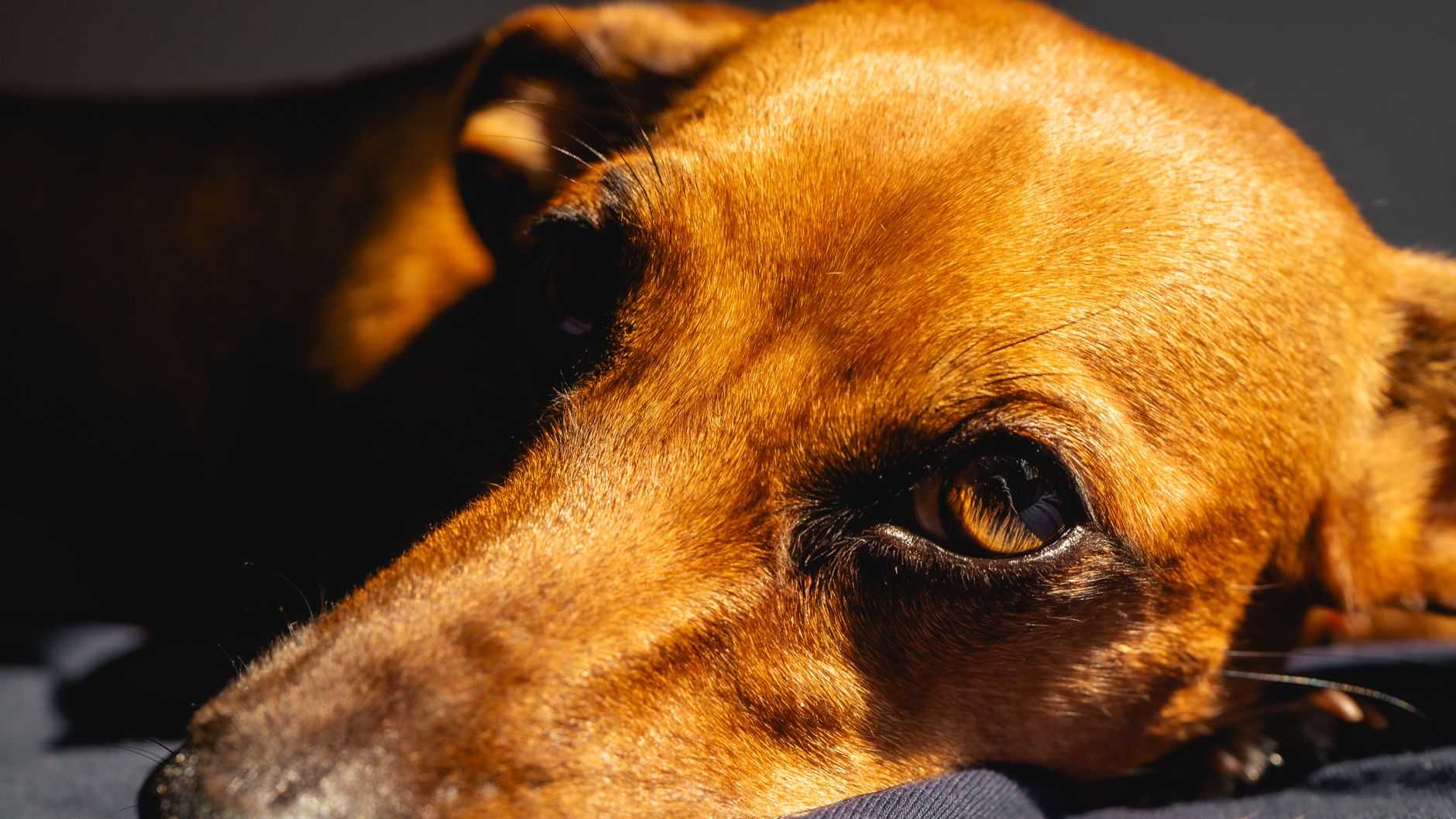
A little goop in the corners of your dog's or cat's eyes when they wake up is usually nothing to worry about. It happens because tears constantly bathe the eye's surface to keep it moist and deliver oxygen and nutrients, and a small amount of that residue naturally dries at the corners overnight. Wiped away with a damp cloth, it should leave clear, bright eyes behind.
What matters is the shift from that normal baseline to something else. Watery eyes that stay clear and don't bother your pet can often be watched for a few days, especially if there's an obvious trigger like wind, dust, or pollen. But discharge that turns thick, yellow, green, or bloody is a different story: bacterial infection produces pus as the body fights it off, and this kind of change is one vets consider worth prompt attention because untreated eye infections can damage the cornea quickly. The same goes for discharge paired with squinting, redness, swelling, cloudiness, or your pet pawing and rubbing at their face, since these suggest pain or irritation rather than a passing annoyance.
A few common culprits sit behind most cases:
- Conjunctivitis, inflammation of the pink lining of the eye, which can come from bacteria, viruses, allergies, or simple irritants like litter dust or smoke
- Blocked tear ducts, which let tears overflow and often show up as brownish staining rather than true discharge
- Dry eye (keratoconjunctivitis sicca), where the eye isn't making enough tears, leading to a sticky, stubborn discharge and an eye that's actually under-lubricated despite looking goopy
- Upper respiratory infections in cats, particularly feline herpesvirus, which can bring eye discharge alongside sneezing, nasal discharge, and lethargy, and are worth catching early since they're contagious to other cats and can occasionally progress to something more serious
- Structural issues in certain breeds, like the facial folds and shallow eye sockets of flat-faced dogs and cats, or eyelids that roll inward or outward, which make some individuals more prone to ongoing tearing or irritation
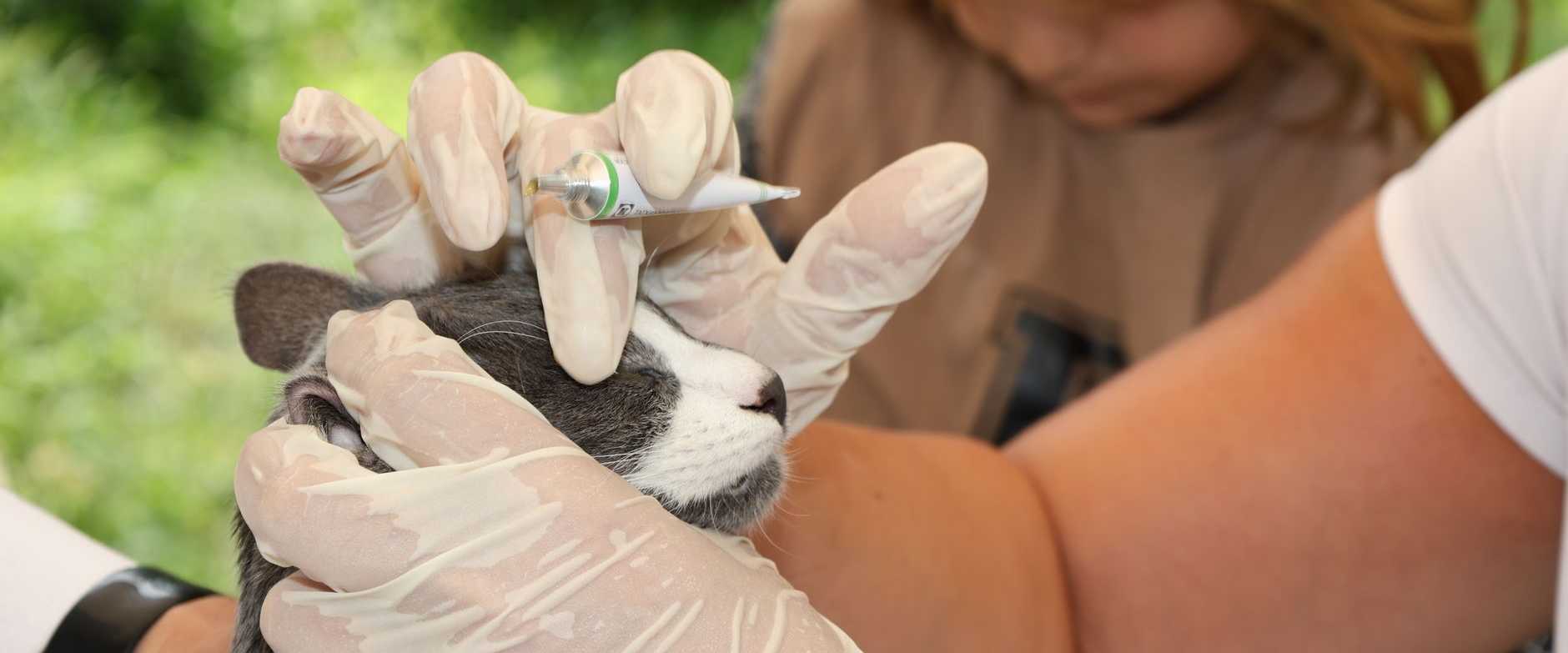
Because eye discharge is a symptom rather than a diagnosis on its own, the color, thickness, and what else is going on with your pet all help point toward the cause, but they don't replace an actual exam. A vet can look at the surface of the eye, check tear production, and rule out anything sight-threatening, which matters because some causes progress quickly if left alone. The guides below dig into specific conditions and how they're diagnosed and treated in more detail.