Hair Loss
Hair loss, or alopecia, is patchy or thinning fur in pets that signals an underlying issue needing veterinary diagnosis rather than a condition in itself.
Also known as Alopecia, Bald Patches, Fur Loss, Thinning Coat
Hair loss, called alopecia, means your pet is missing fur in a spot where it should normally be growing. It can show up as a single bald patch, several patches, thinning all over, or fur loss on both sides of the body in a mirror-image pattern. On its own it isn't a diagnosis, it's a sign, and the job of working out why it's happening belongs to a vet, because the possible causes range from something trivial to something that needs proper treatment.
A useful way to think about it is whether the hair is being pulled out or scratched off, or whether the body has simply stopped making it well. The Merck Veterinary Manual splits causes into those that damage the hair follicle directly, such as bacterial, fungal or parasitic skin infections, and those that slow or interfere with hair growth, such as low protein in the diet or hormonal problems like an underactive thyroid. Itching and pain are among the most common triggers for hair loss, because a pet that's constantly licking, biting or scratching at a spot will eventually rub or chew the fur away there, something groomers call self-trauma. Allergies (to fleas, food or things in the environment), skin infections and parasites are frequent culprits behind this itchy type. Cats are particularly good at hiding this behaviour, so an owner may see bald patches without ever having noticed excessive grooming.
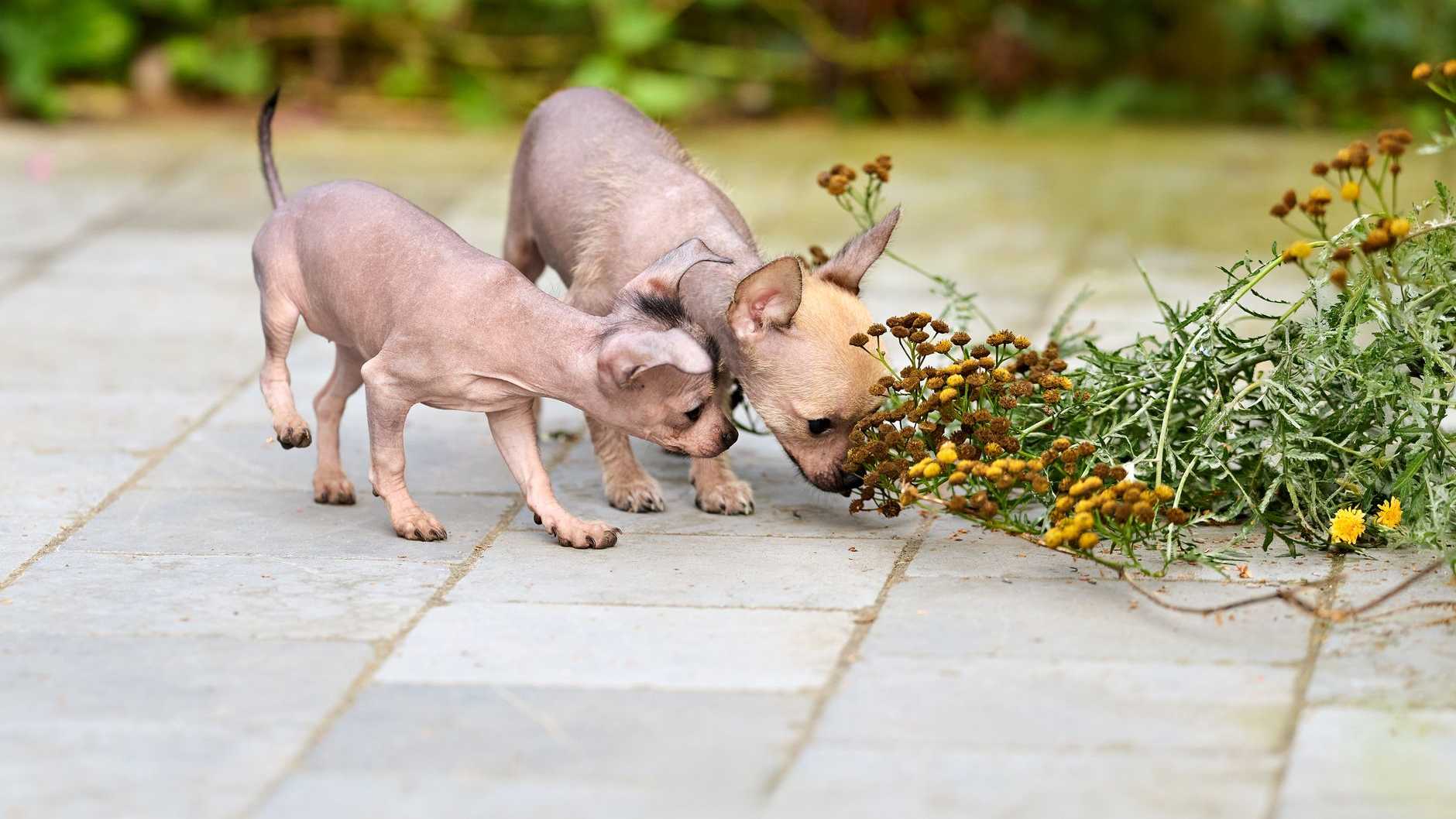
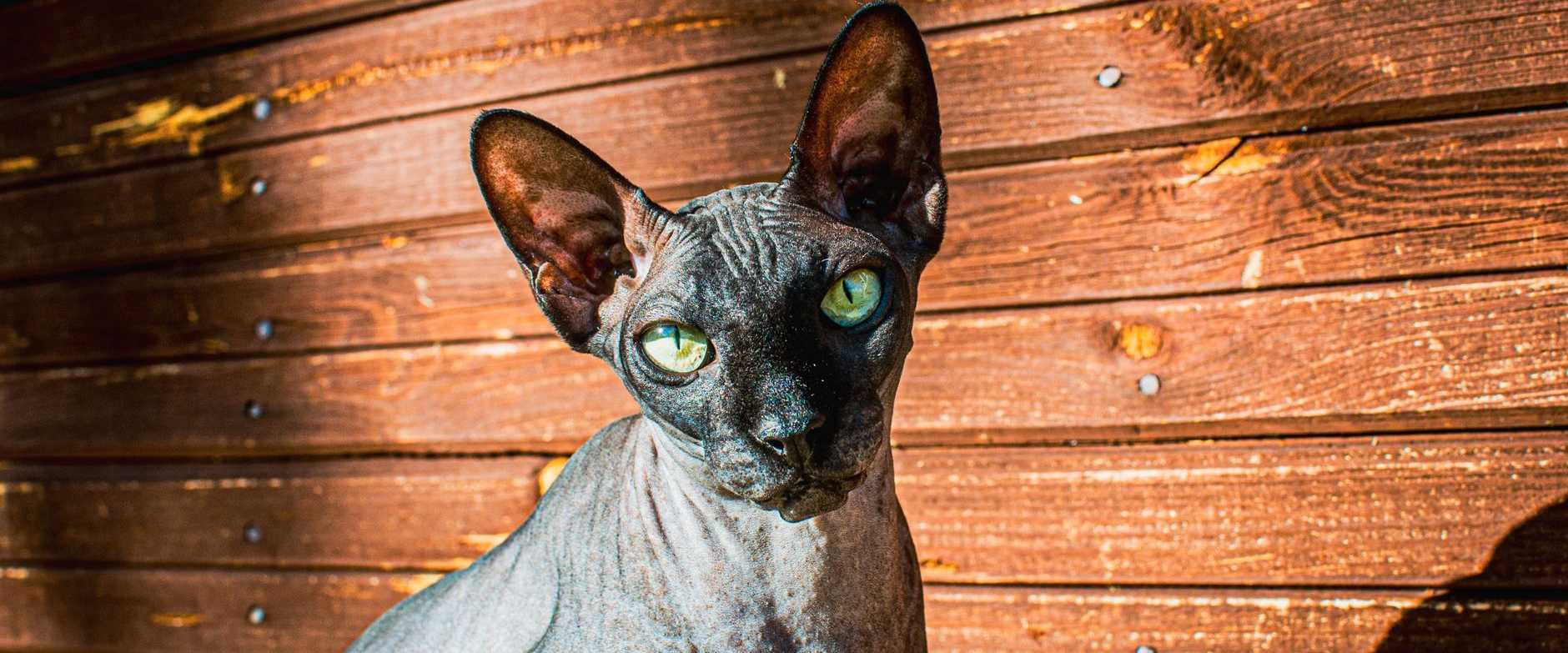
Not all hair loss is itchy, though. Hormonal conditions tend to cause a more symmetrical, non-itchy thinning, often starting on the trunk and rump, and can go along with other changes like a dull coat, weight gain, or increased thirst and appetite. Some animals are simply born with patchy or thin coats because of how their hair follicles developed, a pattern that's often breed-related and turns up early in life. And it's worth remembering that normal shedding is not the same as alopecia. Cats and dogs shed old hair as new hair grows in, and that's expected. It only becomes a concern when it leaves visible bald spots or a noticeably thinning coat rather than just extra fur on the sofa.
A vet works through this by taking a detailed history, going over the whole coat and skin, and often running simple tests such as skin scrapes, hair examinations, or fungal and bacterial cultures to see what's actually happening at the follicle level. In rabbits, hair loss is often manageable and only rarely permanent once the underlying cause, which might be stress, parasites, a dirty or wet rear end, or another rabbit's fur-pulling, is identified and dealt with. Whatever the species, it's worth getting hair loss checked rather than waiting it out, particularly if you also notice redness, scabs, odour, dandruff or signs the animal is uncomfortable. The guides and clinics below go into specific causes and how each is diagnosed and treated in more depth.