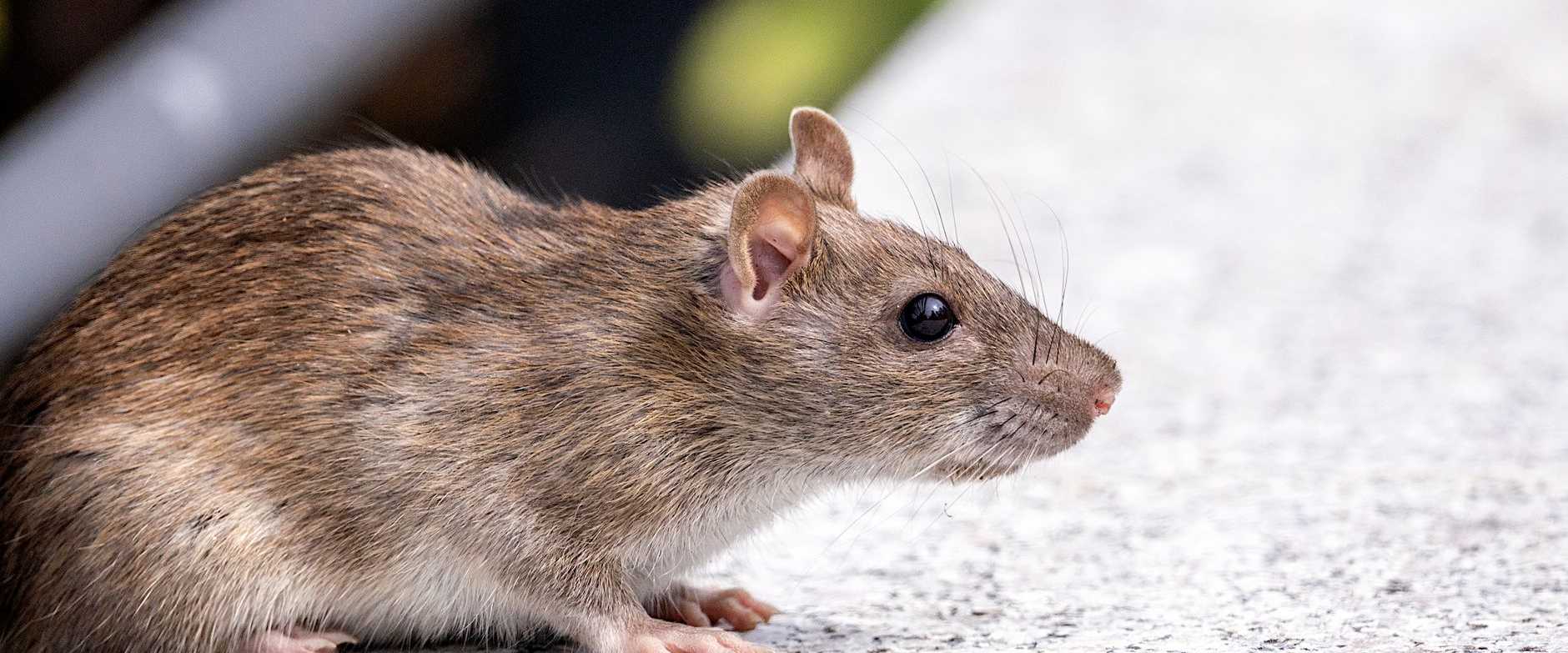
Hantavirus
Hantavirus is a rodent-borne virus that poses no real illness risk to dogs and cats but can be carried into homes by pets that hunt wild rodents, posing a risk to humans.
Also known as Hantavirus Pulmonary Syndrome, Hantavirus Infection
Hantavirus is a family of viruses carried mainly by wild rodents, most notably deer mice in North America, and it can cause serious, sometimes fatal illness in people. It is not a disease that affects dogs and cats in any meaningful clinical sense. According to the AVMA, there is no evidence that hantaviruses cause illness in dogs or cats, though because sick pets aren't routinely tested for the virus, the possibility can't be completely excluded. The CDC similarly states that in the United States, dogs and cats are not known to become infected with hantavirus at all.
Where pets do come into the picture is as a bridge between wild rodents and your household rather than as patients themselves. Hantaviruses are shed in the urine, droppings, and saliva of infected rodents, and people typically get infected by breathing in tiny virus particles once these dried secretions are disturbed, or less commonly through a rodent bite or contaminated food. A cat that hunts mice or a dog that noses around a woodpile can end up carrying an infected rodent, or its droppings, straight into your home, which is the real risk pathway to worry about. Vets note that dogs and cats may actually face more exposure than people simply because of their hunting and exploring habits, yet the AVMA is clear that the risk of a dog or cat then passing the virus on to a person is considered extremely low.
Pet rodents are a separate, much smaller concern. Hantavirus infection is not considered common in pet rats, mice, hamsters, gerbils, or guinea pigs, and confirmed human illness linked to them is rare, since these animals are captive bred and not part of the wild transmission cycle in the way deer mice are.
The practical takeaway for pet owners is prevention focused on rodents, not on your pet's health. Sensible steps include:
- Sealing gaps and openings around the house, shed, garage, or camper to keep wild rodents out
- Storing pet food and other food in rodent proof containers
- Keeping pets away from live or dead wild rodents and discouraging them from drinking untreated outdoor water
- Wearing gloves and a mask if you need to dispose of a rodent your pet has caught, and dampening any droppings or nesting material with a disinfectant before cleaning rather than sweeping it dry, since dry disturbance is what releases infectious particles into the air
If your pet brings a dead or live rodent home and later seems unwell, or if you or anyone in the household develops flu-like symptoms after a possible rodent exposure, it is worth contacting your vet and a doctor promptly, since early treatment matters more for the human illness than for the pet. This entry is general background information rather than medical advice for a specific animal, so the guides below can help you dig into rodent proofing, zoonotic disease prevention, and related topics in more depth.