Heatwave
How extreme heat threatens dogs and cats, which pets are most at risk, and how to spot and prevent heatstroke.
Also known as Heat-related Illness, Heatstroke in Pets, Hot Weather Safety, Heat Exhaustion
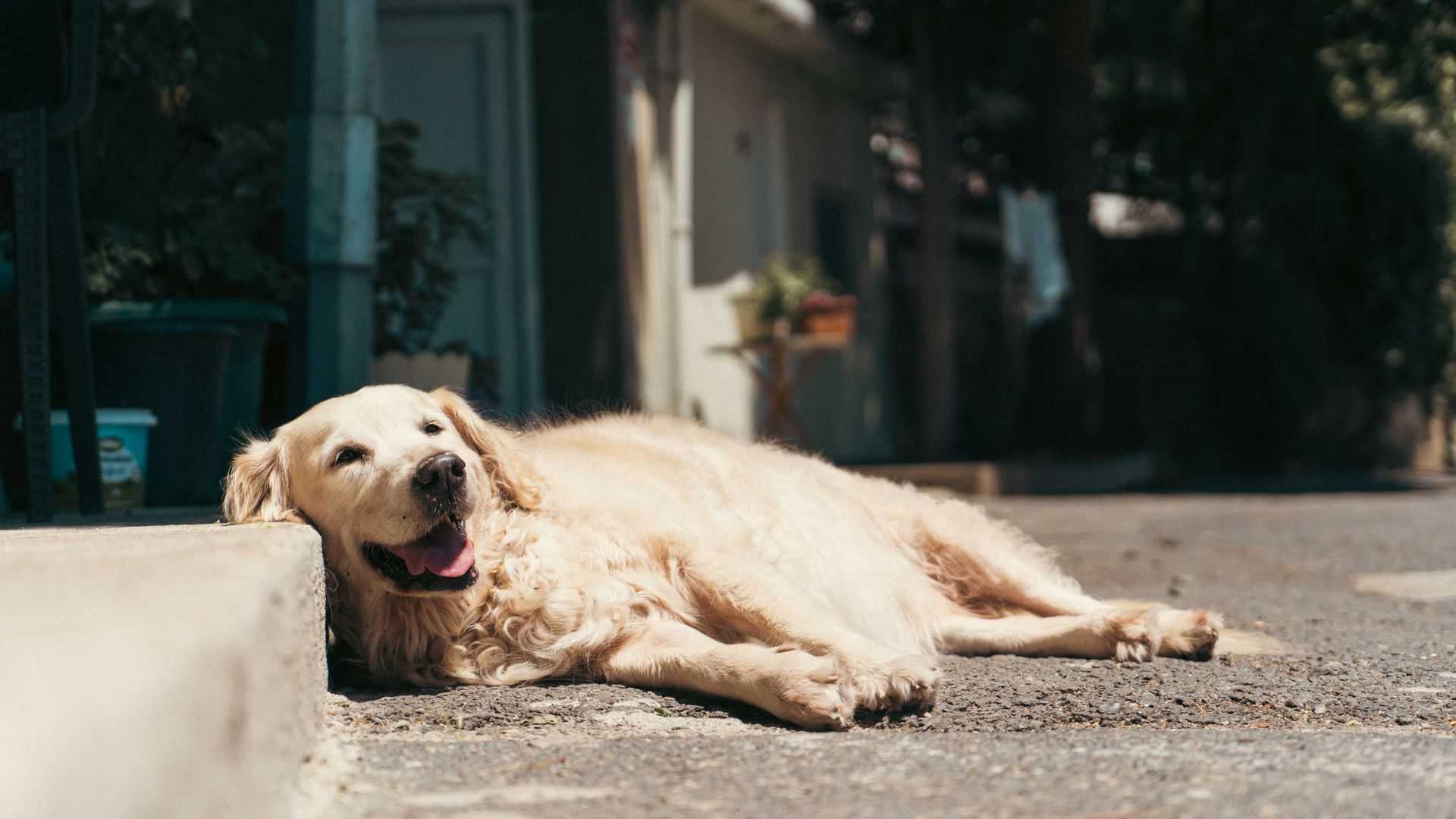
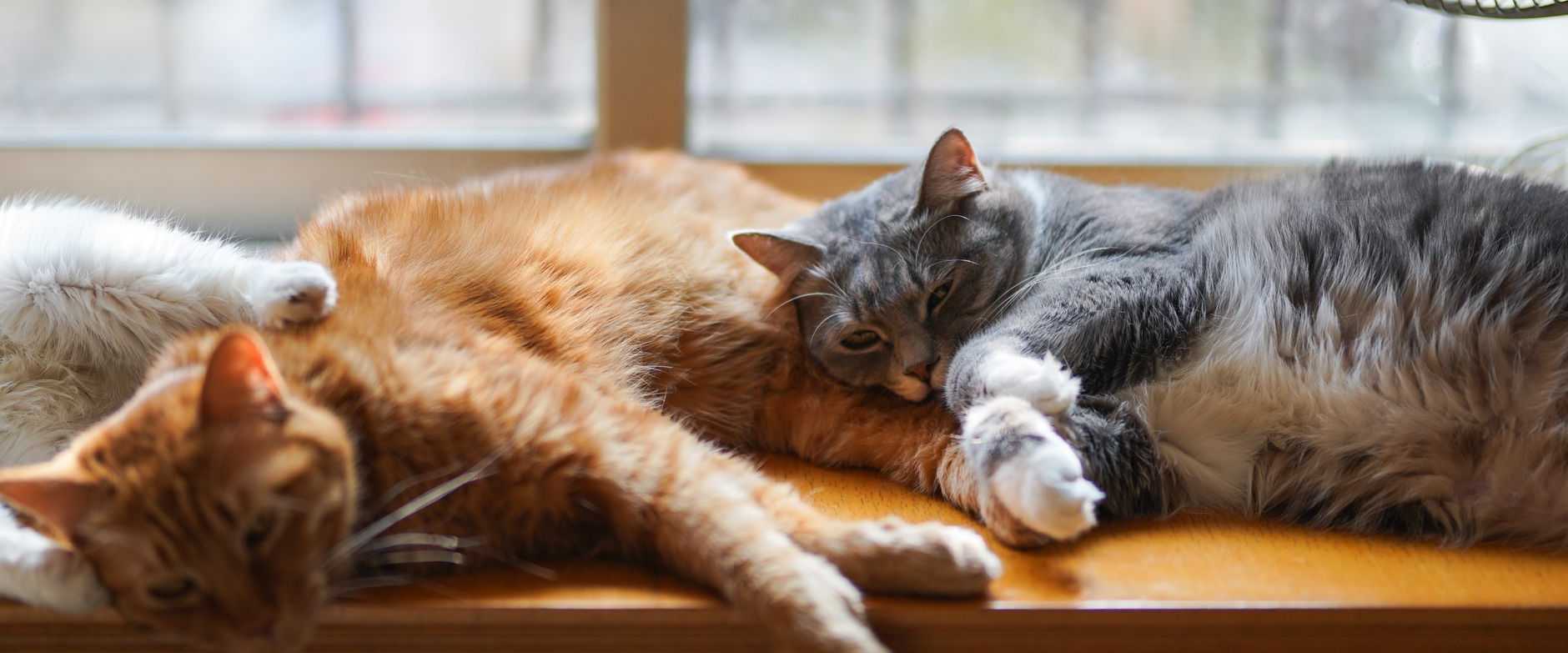
Hot weather isn't just uncomfortable for pets, it can turn dangerous surprisingly fast. Dogs and cats don't cool down the way we do. They can't sweat efficiently across their skin, so they rely mainly on panting and a small amount of sweating through their paw pads. When the air itself is hot and humid, that cooling system struggles to keep up, and body temperature can climb to dangerous levels within minutes rather than hours.
The condition to watch for is heatstroke, sometimes called heat-related illness. It happens when the body can't shed heat fast enough and organs start to suffer the consequences. According to Cornell University's veterinary college, heatstroke occurs when the body's temperature rises too high and cannot be cooled effectively, and this can cause severe damage to body organs and can result in death. The UK Kennel Club notes just how serious the outcome can be even with treatment: 1 in 7 dogs treated by vets for heatstroke die. That statistic alone explains why heatwaves deserve real caution rather than a shrug.
Some pets face much higher risk than others. Flat-faced breeds such as bulldogs, pugs, and Persian cats already have narrower airways, and research reviewed by veterinary evidence journals confirms that brachycephalic dogs are at increased risk of developing heat-related illness and brachycephalic breeds are over-represented in presentations for heatstroke. Beyond flat faces, the AKC's chief veterinarian points out that puppies, senior dogs, overweight dogs, and those with underlying health issues face increased risk, and breeds with short snouts as well as dogs with conditions like hypothyroidism, cardiac disease, or laryngeal paralysis also need extra caution in warm weather. Thick-coated breeds and pets simply not acclimated to a hot climate can overheat surprisingly quickly too.
Knowing the warning signs matters more than any single number on a thermometer. Common early clues include:
- Heavy or noisy panting that doesn't ease up
- Excessive drooling, red or very pale gums
- Restlessness, pacing, or seeking out shade and water
- Wobbliness, confusion, or vomiting
- Collapse in more severe cases
The Royal Veterinary College's advice is to treat any of these signs as urgent: if you're concerned your pet is overheating you should act immediately, as heatstroke can rapidly become life-threatening, and the recommended first response is to cool first and transport second, while also seeking veterinary advice as soon as possible. Cats tend to hide distress well, so their signs are often subtler than a dog's, which is worth keeping in mind if you share your home with a cat during a heatwave.
Prevention is largely about common sense applied consistently: fresh water always available, shade or air conditioning during the hottest hours, exercise scheduled for early morning or evening rather than midday, and never, ever leaving a pet in a parked car. A sobering reminder from PetMD is that a car's interior can climb by roughly 40°F an hour, meaning even a cool-seeming 70°F day outside can turn into over 110°F inside, so a dog should never be left alone in a car even with windows cracked or the AC running. If you ever suspect heatstroke, don't wait to see if it passes. Move your pet somewhere cool, offer water without forcing it, and get to a vet straightaway, since even a pet that seems to bounce back can have hidden internal damage that only a professional check can catch. The guides below go deeper into first aid steps and prevention specific to your pet's breed and lifestyle.