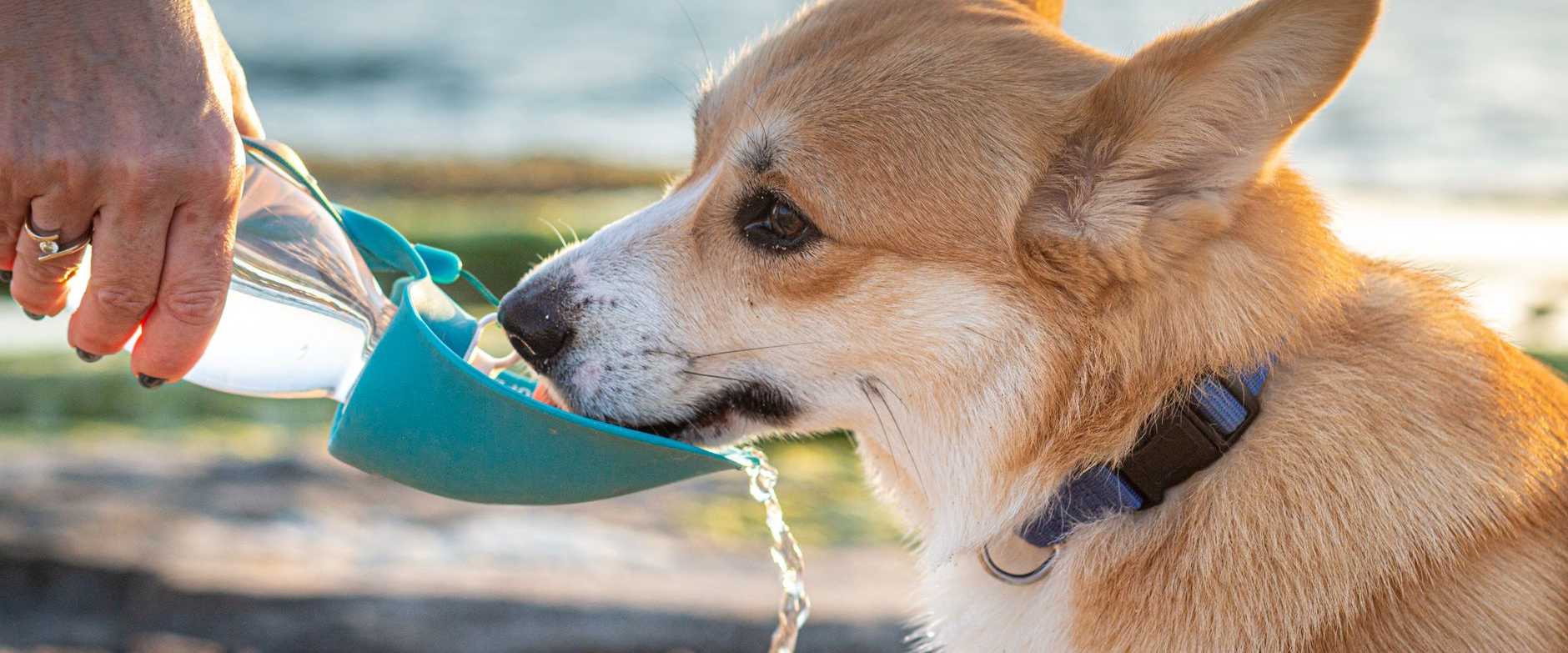
Hydration
Hydration covers how much water dogs and cats need, why fluid balance matters for their health, and how to recognize and respond to dehydration.
Also known as Water Intake, Fluid Balance, Dehydration in Pets
Water might be the most overlooked part of pet care, yet it does more work in your dog or cat's body than almost anything else you offer them. It carries nutrients to cells, flushes waste through the kidneys, cushions joints, and helps regulate body temperature, especially important for dogs, who cool down mainly by panting rather than sweating.
As a rough starting point, most healthy dogs need around 1 ounce of water per pound of body weight each day, though this shifts with activity level, heat, and diet. A dog that runs and plays outside needs more water than one that lounges around the house, dogs that eat wet food get some of their water from their meals and may drink less from the bowl, and hot weather increases the need for hydration. Cats are a bit different: hydration in cats is a bit trickier, with a general guideline being about 3.5 to 4.5 ounces of water per 5 pounds of body weight per day. Many cats naturally drink less because their ancestors got most of their moisture from prey, which is one reason wet food and running water fountains can make such a difference for them.
Dehydration becomes a concern when a pet loses more fluid than it takes in, whether from not drinking enough, vomiting, diarrhea, heat exposure, or an underlying illness like kidney disease or diabetes. The tricky part is that pets are good at hiding it until it's already progressed. Some signs worth watching for at home include:
- Gums that feel dry, sticky, or tacky instead of smooth and moist
- Skin that stays "tented" for a moment instead of snapping back when you gently pinch it between the shoulder blades
- Sunken-looking eyes or a general dullness and low energy
- Reduced appetite, dark or infrequent urination, or thick, ropey saliva
It's worth knowing these home checks have real limits. Skin turgor is affected by body condition, since obese patients may have falsely normal turgor despite dehydration from excess fat, while emaciated, geriatric, or very thin patients may show apparent skin tenting even when properly hydrated. So a quick pinch test is a useful clue, not a diagnosis.
Mild dehydration in an otherwise bright, alert pet can sometimes be managed by encouraging small sips of water at home. But if your dog is vomiting, very weak, or not improving, it's best to skip home care and let a vet give fluids under the skin or through a vein instead. Any noticeable change in how much your pet drinks, whether it's suddenly much more or much less than usual, is also worth mentioning to a vet, since it can point to conditions like kidney disease, diabetes, or hormonal disorders long before other symptoms show up. Hydration is one of those quiet, everyday basics that's easy to take for granted until something goes wrong, which is exactly why it's worth keeping an eye on.