Inappropriate Elimination
Inappropriate elimination is when a cat or dog urinates or defecates outside the litter box or housetraining plan, often due to an underlying medical or behavioural cause rather than stubbornness.
Also known as House Soiling, Litter Box Problems, Inappropriate Urination, Litter Box Avoidance
Inappropriate elimination just means a pet is urinating or defecating somewhere other than the litter box or the housetraining plan you've worked out for a dog. It sounds like a simple habit problem, but it's actually one of the most common reasons cats end up surrendered to shelters, and in most cases there's a real, findable reason behind it rather than the pet being difficult or stubborn.
Vets generally split the causes into medical and behavioural, though the two overlap constantly. On the medical side, anything that causes pain, urgency, or a bigger volume of urine or stool can push a pet to miss the box or the usual spot. Bladder infections, bladder stones, feline idiopathic cystitis (a painful bladder condition where no clear cause is found on testing), kidney disease, diabetes, arthritis, and cognitive decline in older cats can all show up this way. In fact, house-soiling is the single most common reason older cats get taken to a behaviourist, and any illness that increases how often a cat needs to go, or reduces their bladder or bowel control, can be behind it. A cat with sore joints may also struggle to climb into a high-sided box, or may go on avoiding the box even after an old problem has healed, simply because they've linked the box itself with discomfort.
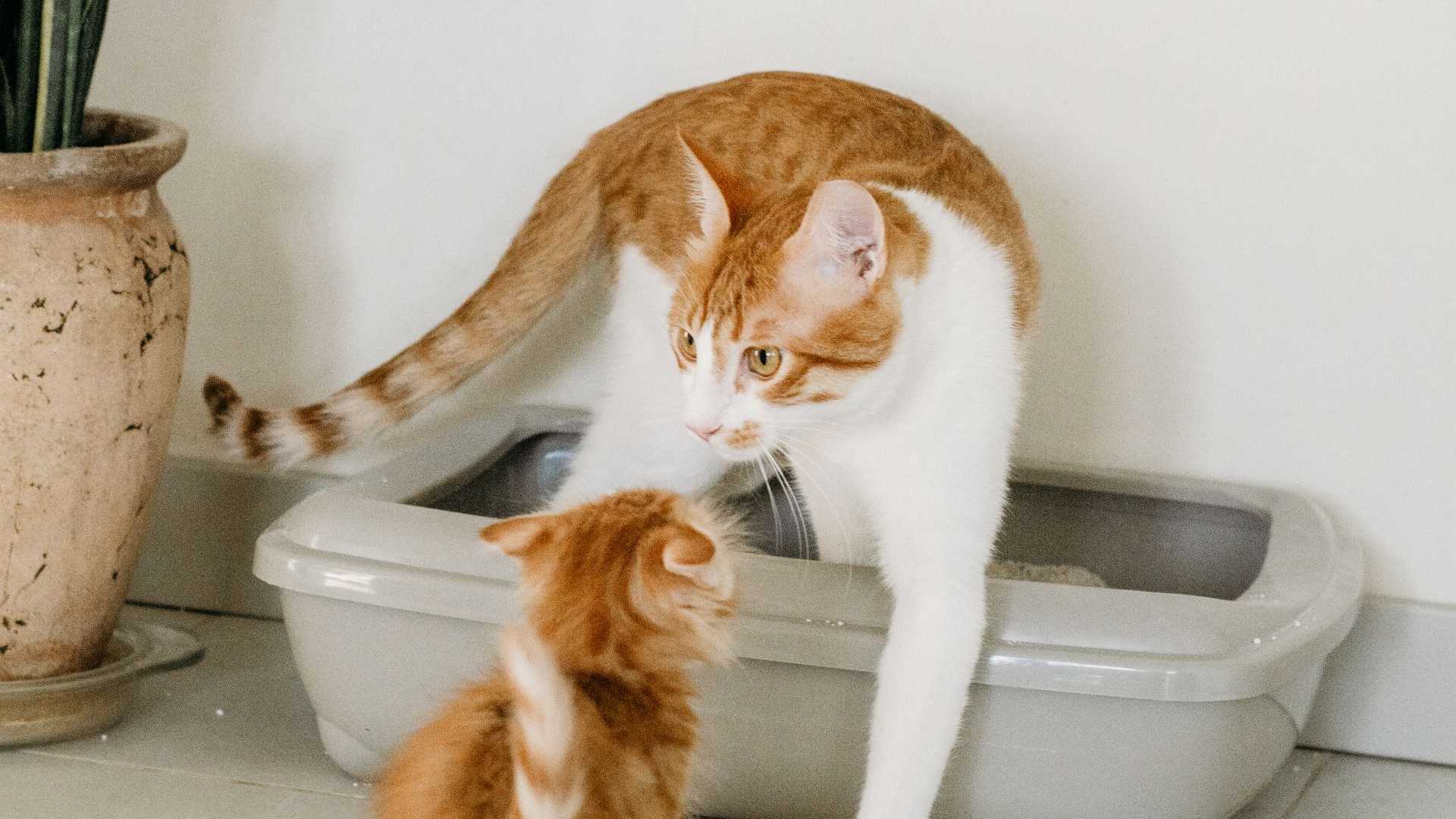
On the behavioural side, the box or the environment itself is often the real issue. Cats are naturally fastidious, and a dirty box, a litter type they dislike, or a box that's too small, too enclosed, or sitting in a loud or exposed spot can all be enough to send them elsewhere. Competition with other pets for access to the box, moving house, a new baby or animal in the home, and general stress can trigger the problem too, and stress is a recognised driver of feline idiopathic cystitis itself, so anxiety and a medical flare-up can feed into each other. In dogs, incomplete housetraining, marking, submissive or excitement urination, and separation-related anxiety are common non-medical causes, though dogs with separation anxiety usually only toilet, chew or vocalise when left alone, not while their owner is home, which is a useful clue when trying to work out what's going on.
Because the categories overlap so much, and because stress can trigger or worsen a genuine medical condition, working out the cause on your own is genuinely hard. The right first step is a vet visit rather than guesswork, since cats should never be scolded or carried to the litter box as punishment, and punishment tends to raise anxiety rather than fix anything. A physical exam and urine test let your vet rule in or out a medical cause before moving on to environmental changes, diet adjustments, or a referral for a behavioural workup if needed. Getting an accurate picture early makes the problem far easier to resolve and protects the relationship between you and your pet.
Signs worth flagging to your vet without delay include:
- Straining, crying, or spending unusually long in the litter box or squatting position
- Blood in urine or stool
- Passing urine more often, or only small amounts each time
- A previously reliable pet suddenly starting to go outside the box or house
- Signs of pain when jumping, climbing into the box, or posturing to go
Practice for testing and management can vary a bit by country and by individual clinic, so treat this as a starting point for a conversation with your vet rather than a full plan.