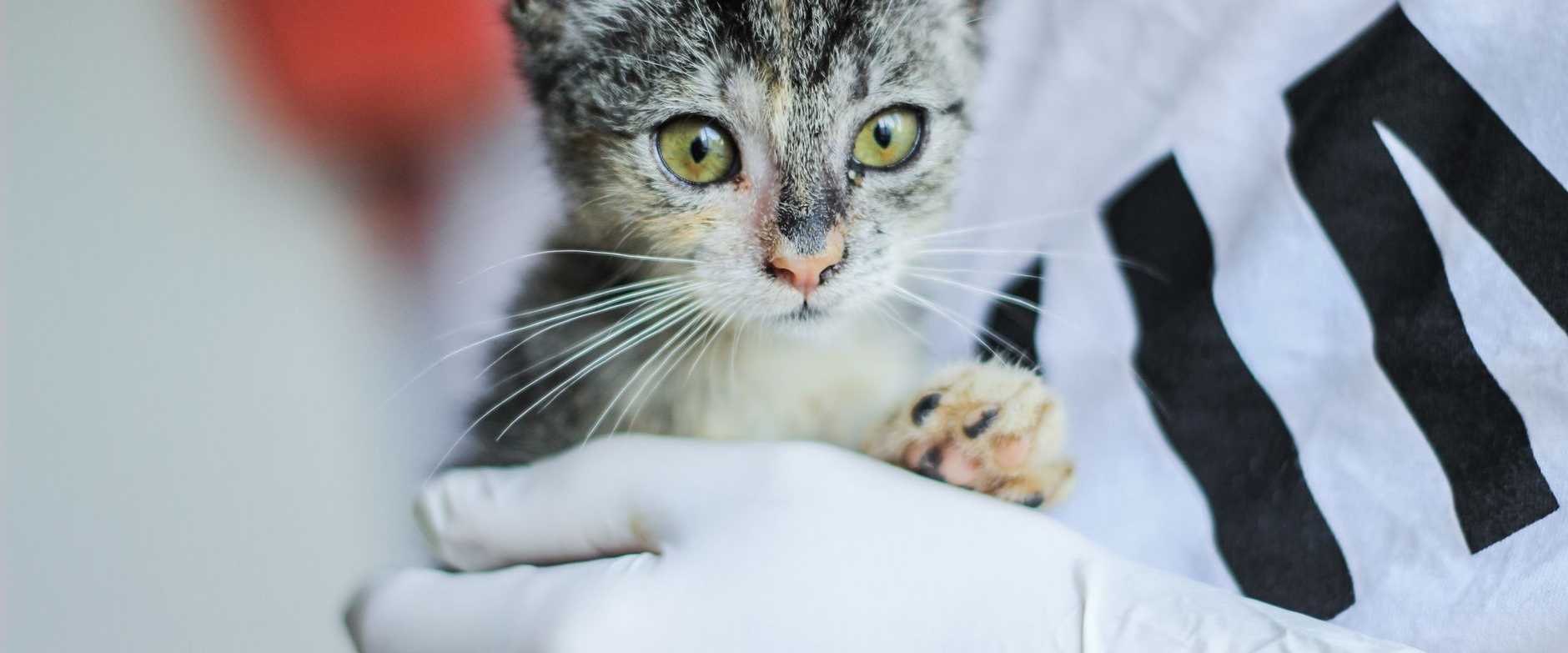
Kitten Care
A plain-language overview of the feeding, socialization, vaccination, deworming and spay or neuter care kittens need in their first year.
Also known as Kitten Health Care, Kitten Wellness
From birth to twelve months, a cat goes through more growth and change than at any later stage of life, which is why the AAHA and AAFP treat that whole first year as a distinct kitten life stage. Kitten care is the practical and medical support that carries a cat through it. Growth studies show kittens put on roughly 0.45 kilograms a month through their first ten weeks, a pattern that makes weighing a useful way to estimate a young kitten's age. The AAFP's behavior guidelines point out that newborns cannot regulate their own body temperature and need outside warmth, while an older kitten should settle into the normal feline rectal range of 38.1 to 39.2 degrees Celsius. A normal feline heart rate runs between 120 and 240 beats per minute, which gives owners a rough baseline for noticing when something seems off.
Feeding shifts quickly during this window. Kittens usually begin weaning onto a commercially balanced growth food between three and five weeks of age. Energy needs start high and then fall: the AAHA/AAFP life stage guidelines put a growing kitten's requirement at about 200 kilocalories per kilogram of body weight daily at ten weeks, dropping to about 80 by ten months. Neutering changes the equation too, because it lowers daily energy needs by 24 to 33 percent, so monitoring the scale helps prevent early obesity. And skip the saucer of cow's milk; International Cat Care explains that weaned cats lack enough lactase, so milk commonly causes severe digestive upset and diarrhea.
Socialization is being wired in at the same time. The AAFP and ISFM identify two to seven weeks as the main sensitive period for kittens, with some flexibility up to nine weeks. Gentle handling by a range of people during those weeks reduces fear responses and helps a cat grow into an adult that is comfortable with people and with veterinary visits. It is also why International Cat Care advises against separating kittens from their mother and littermates before eight weeks, since earlier separation carries a higher risk of emotional and behavior problems later on.
Preventive care is concentrated but highly effective in the first year. Under the AAHA and AAFP vaccination guidelines, core kitten vaccines cover feline herpesvirus, calicivirus, panleukopenia, rabies, and feline leukemia virus for cats under one year. The same guidelines recommend starting the FVRCP combination as early as six to eight weeks, then repeating it every three to four weeks until sixteen to twenty weeks, and International Cat Care advises a first booster about twelve months after the initial series. Schedules do vary by country: Germany's StIKo Vet recommends RCP doses at eight, twelve and sixteen weeks and again at fifteen months, and treats rabies as non-core for indoor cats while still requiring it for cross-border travel. Worming is just as routine; ESCCAP recommends beginning at three weeks, repeating every two weeks until weaning, then monthly to six months, and treating the nursing mother at the same time. Even indoor kittens can pick up parasites through contaminated shoes, insects, or their mother. Spay or neuter usually rounds out the year. The AAFP supports surgery by five months for pet kittens not intended for breeding, and Germany's TVT suggests four to five months; the TVT reports that studies have disproved the old belief that early neutering narrows the urethra or raises the risk of lower urinary tract disease in male cats. Shelter kittens may be sterilized even earlier, as young as six weeks or 0.68 kilograms under ASV guidance. For females, unspayed cats can start cycling as early as four to five months, and repeated cycles carry risks including pyometra. Your veterinary team will tailor the exact schedule to your kitten, so treat these numbers as a roadmap rather than a prescription.