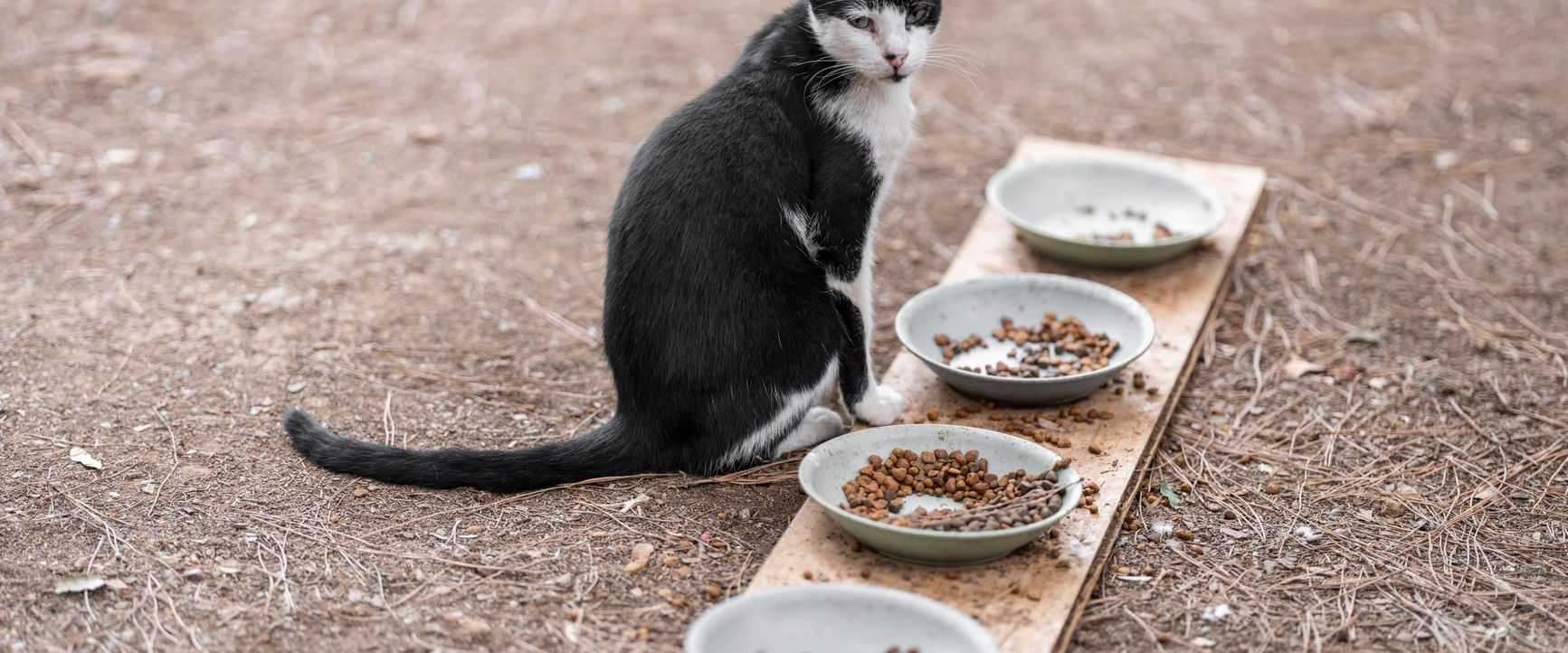
Loss of Appetite
Loss of appetite in cats and dogs is a common but potentially serious symptom that can signal anything from dental pain to kidney disease or liver failure.
Also known as Inappetence, Anorexia in Pets, Not Eating, Poor Appetite, Reduced Appetite
When your pet turns away from food, it can feel minor at first, especially if they seem fine otherwise. In practice, appetite loss (vets often call it inappetence, or anorexia when it's complete) is one of the most common reasons owners end up booking a vet visit, because it can point to almost anything: dental pain, an upset stomach, stress from a house move or new pet, or something more serious like kidney disease, pancreatitis, or cancer. The trick is telling harmless from worrying, and that usually comes down to how long it's been going on and what else is happening alongside it.
A single skipped meal in an otherwise bright, active pet is rarely a crisis. Cats and dogs sometimes get fussy about a new food, feel off after a warm day, or go through a phase where they eat less as they get older. What matters more is the pattern: has this been building gradually, or did it happen suddenly? Is your pet still drinking water, playing, and using the litter box or going for walks normally, or do they seem withdrawn, in pain, or reluctant to move? Vomiting, diarrhea, weight loss, or lethargy alongside a poor appetite are signs that something more than pickiness is going on.
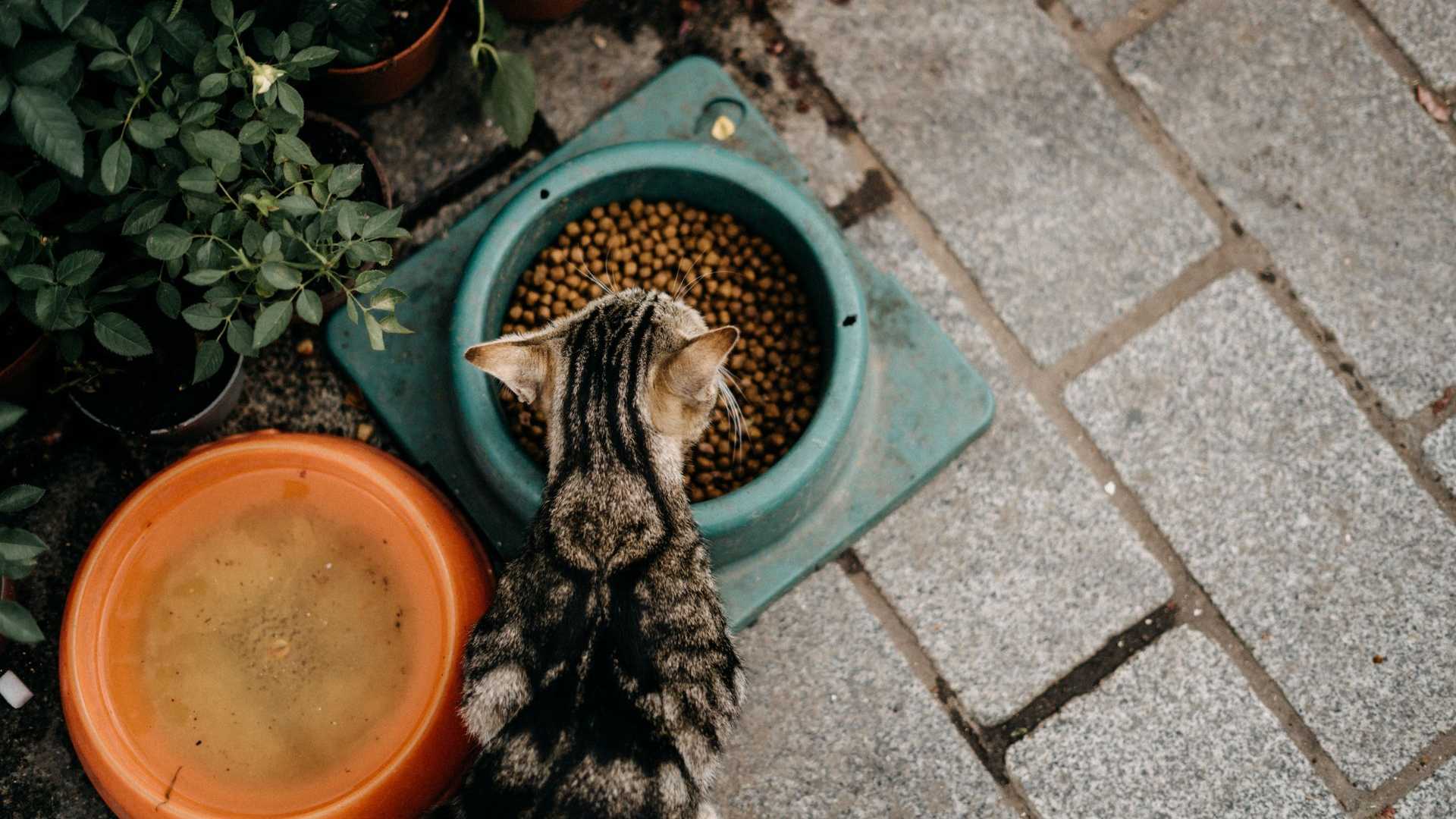
Dogs generally have a bit more buffer than cats. Cats are far less tolerant of not eating, and this is one of the genuine emergencies hiding inside a seemingly ordinary symptom. When a cat stops eating for even a couple of days, especially one carrying extra weight, the body starts breaking down its own fat reserves for energy. A cat's liver isn't well equipped to handle that sudden fat load, and the fat can build up inside liver cells faster than the organ can process it. This condition, known as hepatic lipidosis or fatty liver disease, is the most common severe liver disease in cats and can develop when an overweight cat stops eating for as little as two to three days. Left untreated it can progress to liver failure, but caught early it's very treatable, usually with supportive care and short term feeding support while the underlying cause is addressed.
Because the possible causes span everything from a sore tooth to a metabolic disease, working out why your pet has stopped eating really needs a vet's hands-on assessment rather than guesswork at home. Some general guidelines worth keeping in mind:
- A cat that refuses food, or eats noticeably less, for more than 24 hours deserves a same-day call to the vet, not a wait-and-see approach.
- A dog can usually cope a little longer without eating, but poor appetite lasting more than a day or two, or any refusal alongside vomiting, diarrhea, or lethargy, should also prompt a check-up.
- Puppies, kittens, senior pets, and those with existing health conditions have far less reserve, so seek advice sooner for them.
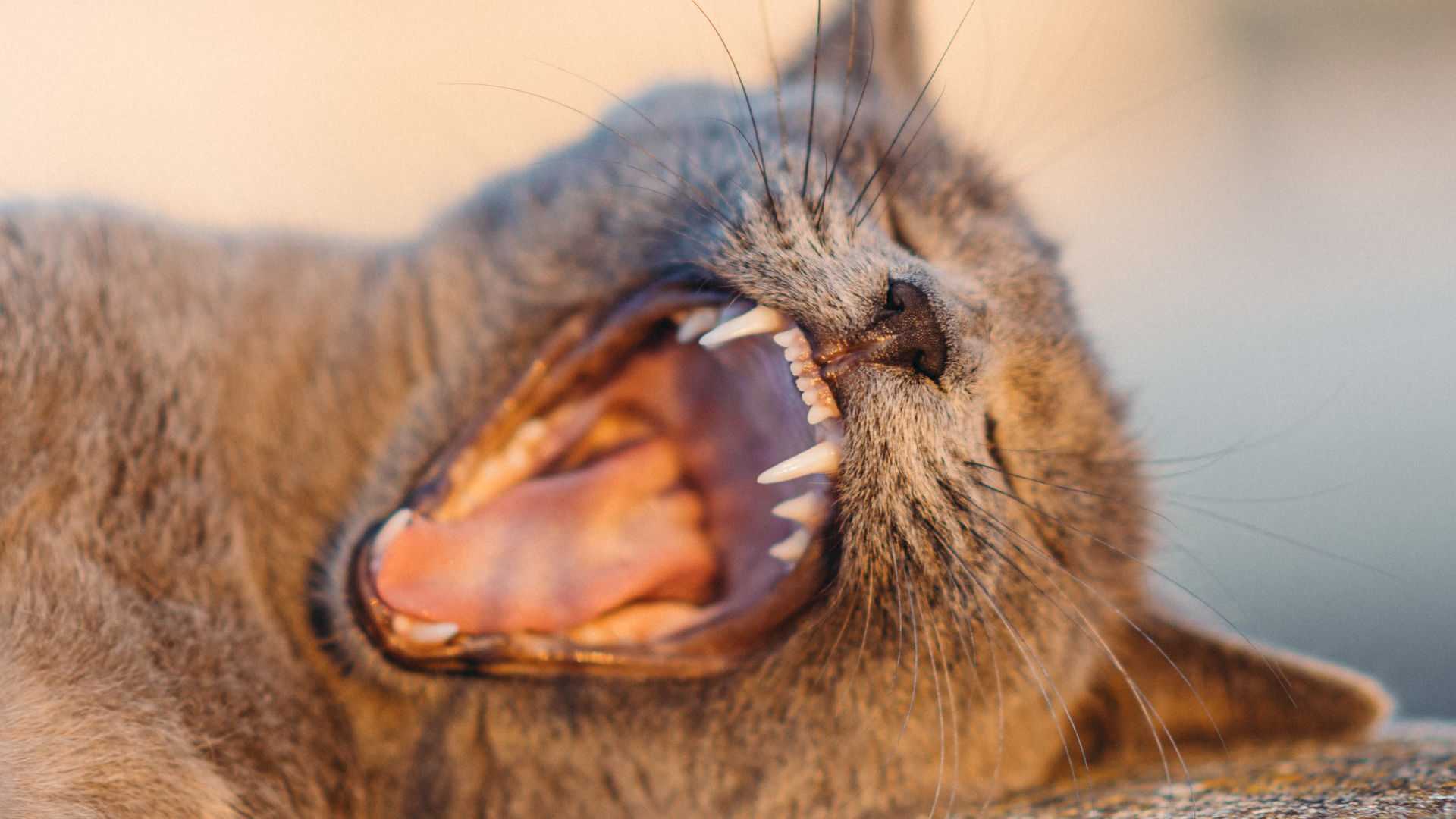
- Watch for accompanying signs like drooling, bad breath, weight loss, hiding, or yellowing of the gums or eyes, all of which help your vet narrow down the cause faster.
This entry is just the starting point for understanding why appetite matters so much as a health signal. The guides and clinics listed below go further into specific causes, home management, and what a vet visit for appetite loss typically involves.