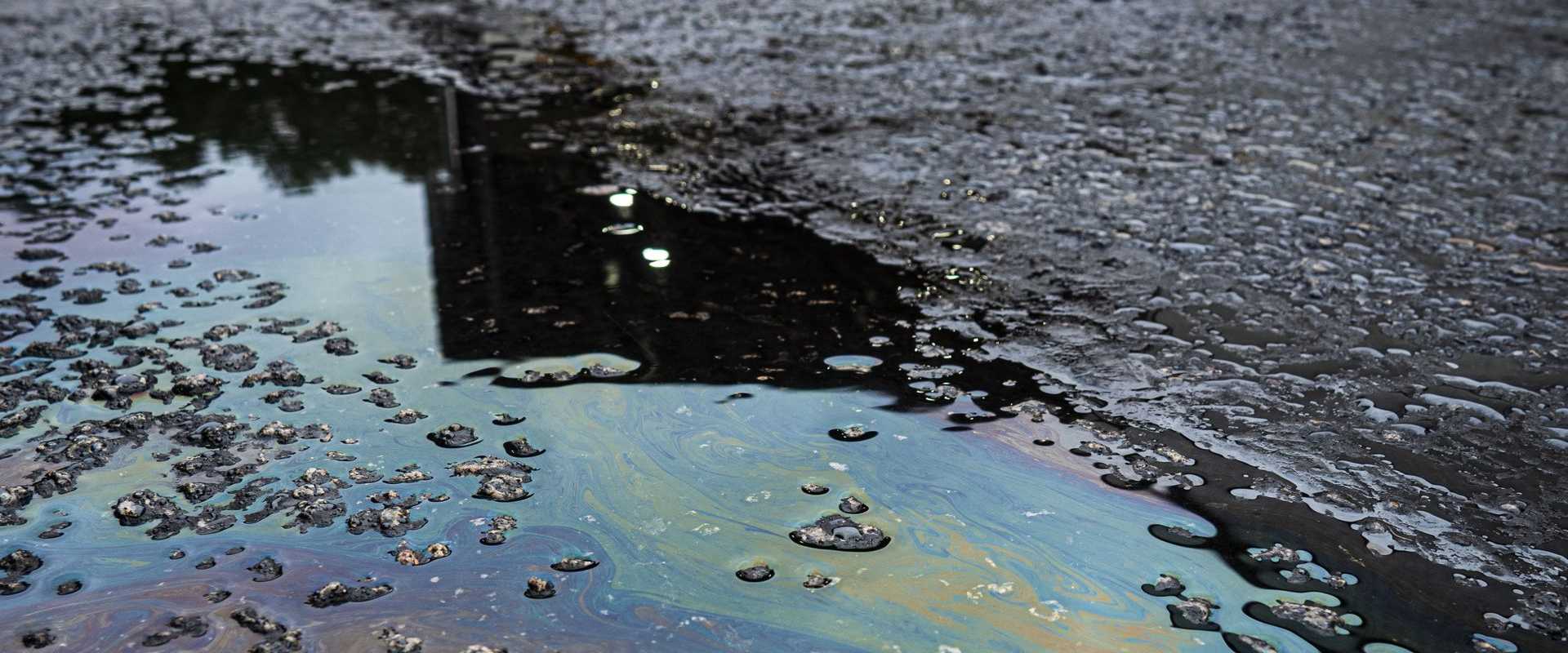
Oil Contamination
Oil contamination is when a pet's skin, fur, or body is exposed to petroleum-based products like motor oil, fuel, or crude oil, which can irritate skin and cause serious internal harm if swallowed or inhaled.
Also known as Petroleum product exposure, Crude oil exposure in pets, Motor oil poisoning
Oil contamination happens when a pet's fur or skin comes into contact with petroleum-based products such as motor oil, gasoline, kerosene, diesel, tar, or crude oil from a spill. It sounds like a messy inconvenience, but it's a genuine health hazard. These substances are hydrocarbons, and they can harm your pet whether they land on the coat, get licked off during grooming, are swallowed directly, or are breathed in as fumes.
Dogs and cats are commonly exposed when oil leaks from stored containers in a garage or shed, when they wander through a spill outdoors, or occasionally near larger environmental incidents like pipeline or tanker leaks that contaminate land and water. Cats and long or thick-coated dogs are particularly at risk because oil clings to fur and sits close to the skin, and because grooming means they often end up ingesting some of what's on their coat.
The effects vary depending on how thick and volatile the oil is and how the exposure happened:
- On the skin: prolonged contact can cause redness, irritation, swelling, and in bad cases, skin damage or infection.
- Swallowed: can irritate the gut, and in more serious cases affect the liver or kidneys.
- Inhaled or aspirated: this is the most dangerous route. Thin, volatile products like petrol or kerosene are easily drawn into the lungs, especially if a pet vomits after ingesting them, and this can cause a severe, sometimes fatal pneumonia.
If your pet has visible oil on its coat, smells strongly of petroleum, or you know it's had contact with a chemical spill, treat it as a reason to call your vet promptly rather than trying to sort it out entirely at home. One important thing to know in advance: vets generally avoid inducing vomiting after this kind of exposure, because bringing the oil back up raises the risk of it being breathed into the lungs on the way out. Your vet may instead recommend a careful bath with a mild soap or detergent, monitor breathing and behaviour, and treat any skin irritation or respiratory signs that develop.
Watch for signs such as coughing, laboured or rapid breathing, drooling, vomiting, lethargy, or skin that looks red and sore where the oil sat. Any of these after a known or suspected oil exposure warrants a same-day vet visit. This entry is general background, not a substitute for an exam. If you think your pet has been contaminated with oil, a vet can judge how serious the exposure is and what decontamination and treatment it actually needs.