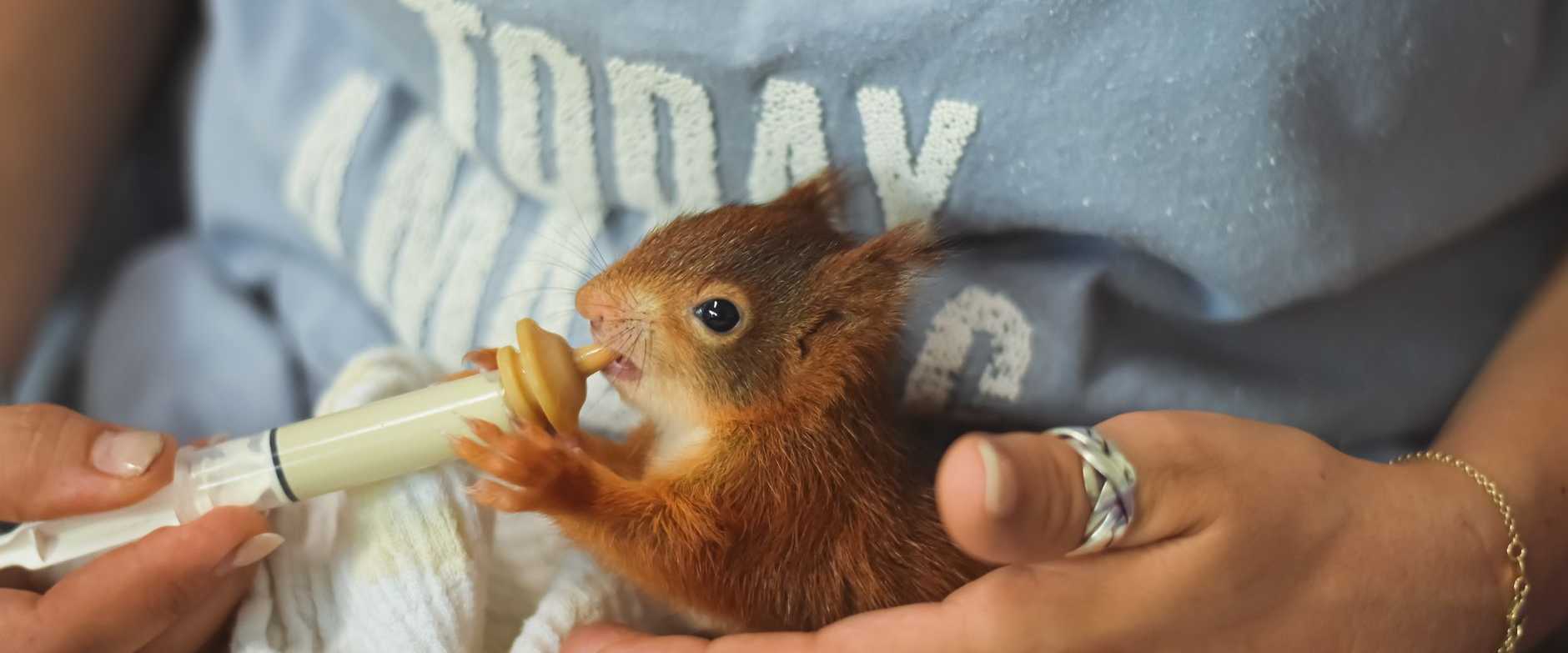
Orphaned Wildlife
Guidance on what to do when you find a baby wild animal that looks alone, injured, or abandoned.
Also known as orphaned baby animals, abandoned wildlife, found baby wild animal, wildlife rehabilitation
Finding a baby animal alone in the garden, on a walk, or in the woods pulls at anyone's heart. The instinct is to scoop it up and help. In most cases, though, the kindest thing you can do is nothing at all.
Wild parents routinely leave their young unattended for long stretches. Deer fawns are left tucked in vegetation while the mother feeds elsewhere, only returning a few times a day to nurse without drawing predators to the spot. Rabbit mothers behave the same way, visiting their nest just two or three times a day. A baby raccoon or squirrel sitting quietly nearby usually still has a parent watching from a distance. Wildlife agencies across the US consistently point out that most animals people assume are orphaned actually aren't, and picking one up does far more harm than leaving it alone.
There are exceptions where getting involved is the right call. An animal is likely in genuine trouble if it has a visible wound, a broken limb, is shivering, covered in fly eggs, or if you know for certain the parent is dead nearby. A baby bird that's featherless or has its eyes still shut and has fallen from a nest also usually needs help, whereas a feathered fledgling hopping around on the ground is often just learning to fly and doesn't. If a cat or dog has had a baby animal in its mouth, even briefly, that's also a reason to act, since the injuries and bacteria involved often aren't visible.
A few practical rules to remember if you do decide help is genuinely needed:
- Don't feed the animal or give it water. The wrong food or feeding technique can kill young wildlife quickly.
- Avoid unnecessary handling. Human scent isn't the deadly deterrent to a mother animal that people assume, but repeated disturbance and stress are genuinely harmful.
- If the animal is injured, gently cover it with a towel and place it in a secure, ventilated box, then keep it somewhere dark, quiet, and away from pets and noise while you arrange help.
- Never attempt to catch adult-sized wild mammals like raccoons, foxes, or bats, even if they seem like babies, since bite and disease risks are real.
- Call a licensed wildlife rehabilitator before transporting any animal. Most states require permits to legally care for wildlife, and rehabilitators can tell you over the phone whether the animal actually needs rescuing.
Your regular vet clinic is rarely set up to treat wild species long-term, but many can point you toward a wildlife rehabilitator, and some accept injured wildlife briefly for stabilization before transfer. If you're ever unsure, a quick call to a rehabber or your local wildlife agency is always safer than guessing.