Polioencephalomalacia
Polioencephalomalacia is a serious brain disease in ruminants (and a related thiamine deficiency in dogs and cats) caused mainly by thiamine deficiency or excess sulfur, leading to grey matter damage and neurological symptoms.
Also known as PEM, Cerebrocortical Necrosis, Thiamine Deficiency
Polioencephalomalacia describes what happens to the brain rather than one specific disease. Break the word apart and it makes sense: "polio" means grey, "encephalo" means brain, "malacia" means softening. It refers to damage and death of cells in the grey matter, the outer layer of the brain that handles vision, awareness and coordinated movement. Vets also call it cerebrocortical necrosis, and you'll sometimes hear the shorthand PEM.
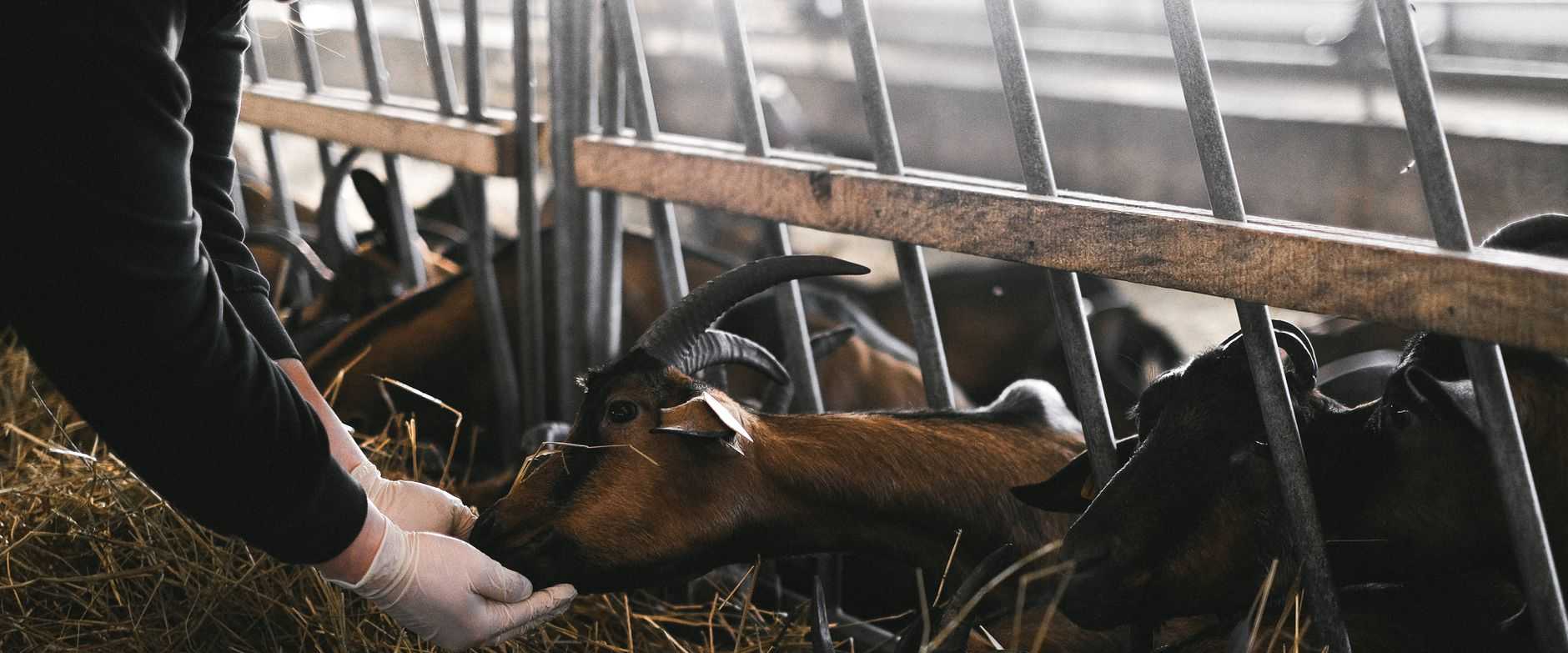
It shows up mainly in ruminants, animals like cattle, sheep and goats that ferment their food in a rumen. According to the Merck Veterinary Manual, it's a common worldwide neurological disease in cattle, sheep, goats, deer and camelids such as alpacas, and it's linked mainly to two things: thiamine (vitamin B1) deficiency or high sulfur intake. Thiamine matters because brain cells need it to convert sugar into usable energy, and without it they swell and die. Healthy ruminants normally make their own thiamine with help from rumen microbes, so anything that disrupts that microbial balance, an abrupt switch to grain-heavy feed, thiaminase-containing plants like bracken fern, high sulfur in feed or water, lead poisoning, salt poisoning, water deprivation, or overdosing the antiparasitic drug amprolium, can tip an animal into trouble within days. Confusingly, sulfur-related cases don't always show low thiamine at all, and researchers still aren't fully sure how excess sulfur damages the brain, so the two triggers may not share a single mechanism even though they produce the same picture.
Dogs and cats can develop a related condition, usually called thiamine deficiency rather than PEM, since it targets specific deep brain structures rather than the outer cortex. Cats are particularly vulnerable because they can't make much thiamine themselves and need a steady dietary supply. The British Small Animal Veterinary Association notes that cases have followed all-fish diets, diets heavy in uncooked soy or excess cereal, and commercial food where thiamine was destroyed by overheating or by preservatives, since the vitamin breaks down easily with heat, processing and storage.
Whatever the species, the picture looks like a brain in distress and it develops quickly:
- A wobbly, uncoordinated gait, stumbling or falling
- Apparent blindness even though the pupils still respond to light
- Head pressing against objects, or the head and neck arched back
- Abnormal eye position, tremors, circling
- In cats and dogs, early loss of appetite and vomiting before neurological signs set in
- Progression to seizures, collapse or coma if untreated
Treatment centres on injectable thiamine along with fixing whatever triggered the problem, and speed makes the difference. Case reports describe animals recovering strikingly within days when treated early, while delayed treatment can leave permanent brain damage or end in death. That's why sudden blindness, staggering or seizures warrant an urgent vet visit rather than a wait-and-see approach: a vet can also rule out other conditions that look similar. This entry is general information only, not a diagnosis, and any animal showing these signs needs hands-on veterinary examination.