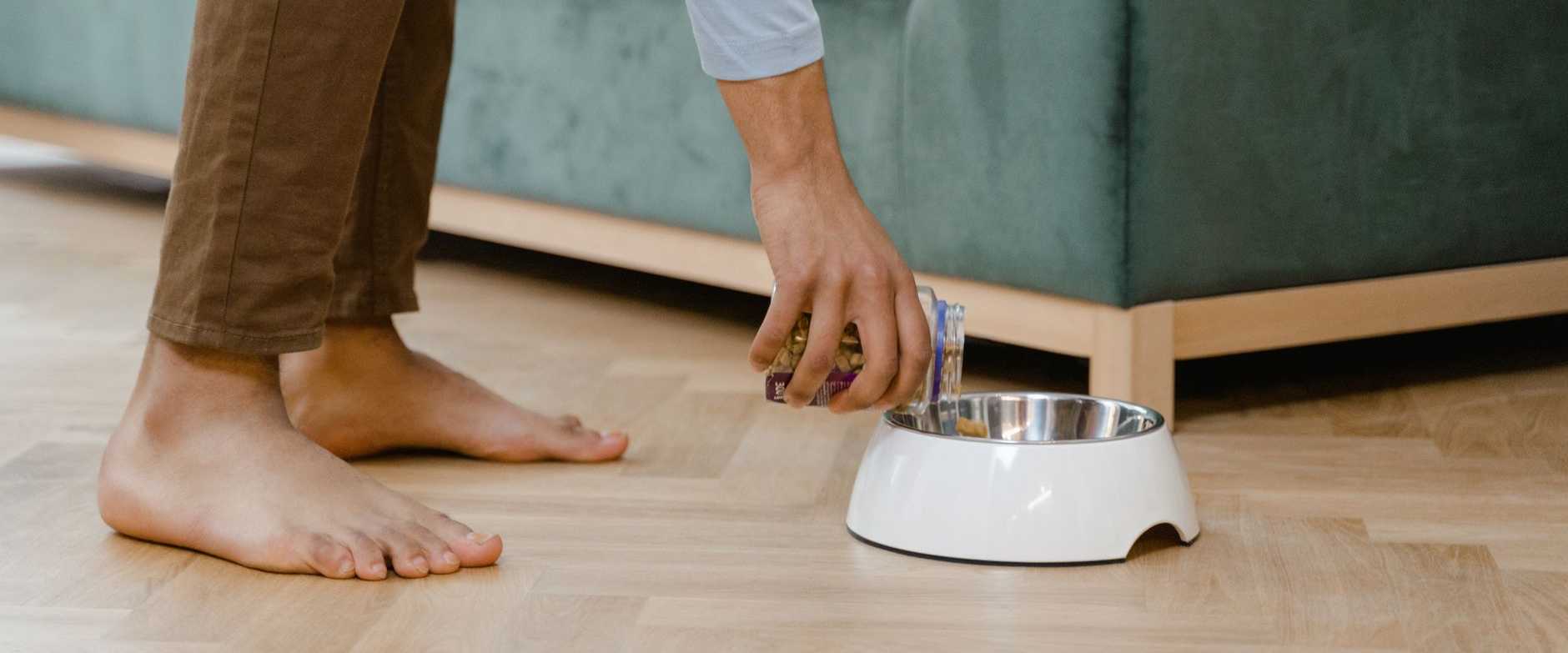
Portion Control
Portion control is the practice of measuring a dog or cat's food to match their actual calorie needs, helping prevent the overfeeding that leads to obesity.
Also known as Feeding Portions, Food Portioning, Measuring Pet Food, Meal Portioning
I've got enough grounding to write this now.
Feeding your dog or cat "the right amount" sounds simple until you actually try to measure it. According to the American Veterinary Medical Association, roughly six in ten dogs and cats in the US are overweight or obese, and much of that comes down to what happens at mealtime rather than any single treat or lack of exercise. Portion control just means matching the amount of food you give to what your individual pet actually needs, based on their weight, life stage, activity level and any health conditions, rather than filling the bowl by habit or guesswork.
The tricky part is that most owners are working with two moving targets. First, the numbers on a bag or can are only a starting point. Feeding charts on packaging are calculated for an average pet at a given weight, but a couch-bound senior cat and an active young cat of the same size can have very different calorie needs, so those printed amounts often need adjusting up or down with your vet's input. Second, most people simply aren't measuring at all. One recent survey found that only a small fraction of dog and cat owners actually weigh out their pet's food, with most instead eyeballing a scoop or filling a bowl by sight, which makes it easy to drift into overfeeding without noticing.
A kitchen scale or a proper measuring cup, rather than whatever mug happens to be nearby, is the easiest way to close that gap, and the World Small Animal Veterinary Association specifically recommends using a standard measuring device and portioning out food whether you feed meals or leave it down throughout the day. Treats count too. Anything given as a reward adds calories on top of the main meal, so keeping treats small and factoring them into the daily total matters just as much as the size of the scoop at dinner.
Vets use a simple hands-on check called body condition scoring to see whether portions are on track. You should be able to feel your pet's ribs easily under a thin layer of fat without pressing hard, and looking from above there should be a visible waist behind the ribs rather than a straight or bulging outline. The American Animal Hospital Association now recommends this kind of nutritional check at every single veterinary visit, precisely because gradual weight gain is so easy for owners to miss day to day even when it's obvious over months.
Getting portions right isn't about strict dieting, it's about giving your pet the amount that keeps them lean, comfortable and mobile for as long as possible, since excess weight is linked to joint problems, diabetes and a shorter lifespan. If you're not sure what the right amount looks like for your own pet, that's exactly the kind of question worth bringing to a vet visit rather than guessing, and the guides below go deeper into how to work out calorie needs and adjust feeding for specific situations.