Secondary Rodenticide Poisoning
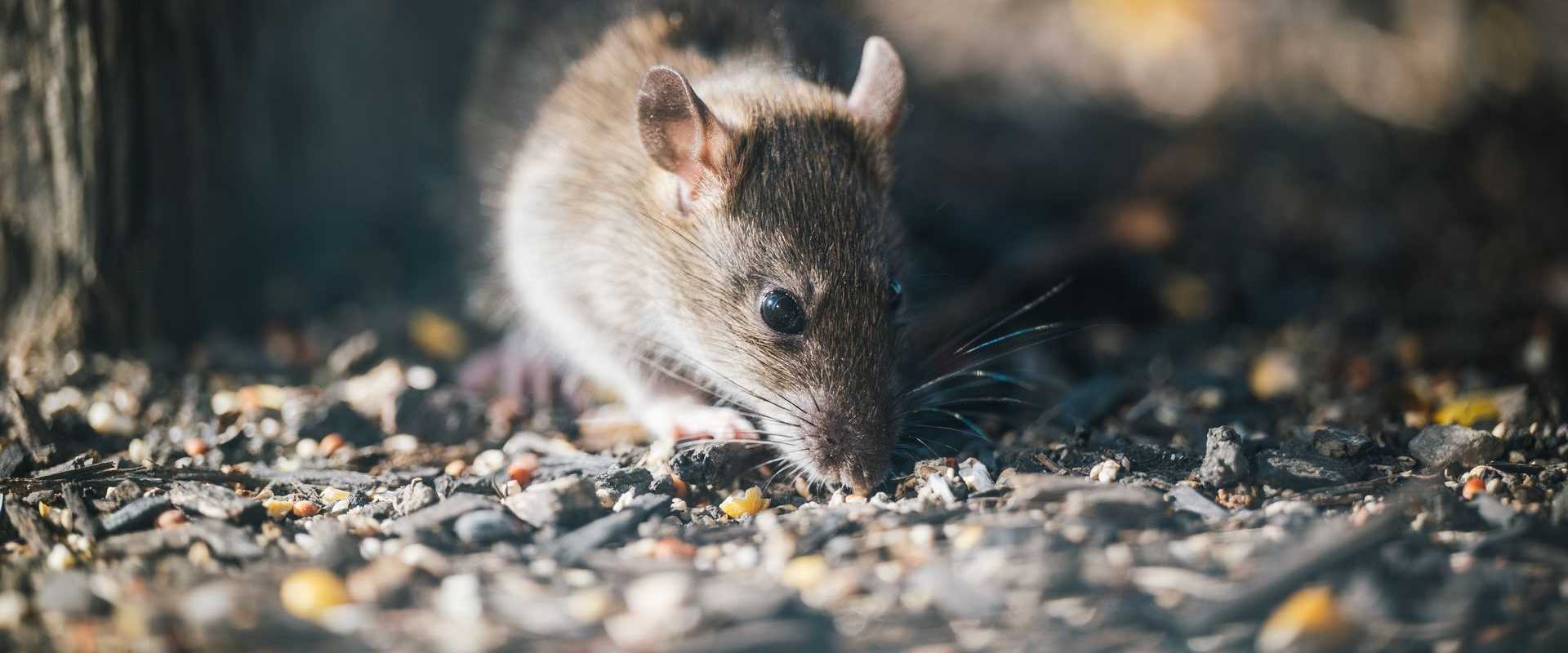
Secondary rodenticide poisoning, or relay toxicosis, is when a dog or cat is poisoned indirectly by eating a rodent that has swallowed rat or mouse bait.
Also known as Relay toxicosis, Secondary rat poison poisoning, Secondary rat bait poisoning, Indirect rodenticide poisoning, Secondary anticoagulant poisoning
Most pets that get into rat poison eat the bait itself. Secondary rodenticide poisoning works one step further along the food chain: a rat or mouse eats the bait, and your dog or cat then catches and eats that rodent, taking in whatever poison is still in its body. Vets call this relay toxicosis, and it is the same mechanism that harms owls, foxes and other predators near baited areas.
The rodenticides most often involved are anticoagulants such as brodifacoum, bromadiolone, difenacoum, difethialone, coumatetralyl and diphacinone. They block the recycling of vitamin K, which the body needs to make several blood clotting factors, so bleeding starts happening spontaneously and does not stop. What makes relay poisoning possible is that residues of these compounds can sit in a poisoned rodent's liver for weeks, and the newer, more potent single-feed products can be present in high amounts. A pet that hunts and eats poisoned rodents repeatedly can build up a harmful dose over time. Not all rat poisons behave this way. Bromethalin, which damages the nervous system rather than clotting, carries a real relay risk for cats in particular because they are more sensitive to it than other species. Zinc phosphide is mainly a concern if intact bait pellets are still in the rodent's stomach, since it breaks down quickly.
How worried should you be
One poisoned mouse is usually not enough to harm a healthy adult dog or cat, and relay poisoning is much less common in pets than eating bait directly. The pets at genuine risk are keen, repeat hunters: farm and barn cats, dogs that roam, and animals living around properties or agricultural buildings where baiting is ongoing. Pets with liver disease or on certain medications may cope less well with a small dose. Which products are legally available to private households, and which are restricted to professional pest controllers, differs from country to country, so ask your local pest control provider or vet what is actually being used near you.
Anticoagulant poisoning is deceptive because the body has a stock of clotting factors to use up first. Signs typically appear around three to five days after exposure, and by then a pet can be seriously ill. Watch for:
- unusual tiredness, weakness or reluctance to move
- pale gums, bruising or small red spots on the skin
- nosebleeds, or blood in urine, stool or vomit
- coughing, or fast or laboured breathing
- with bromethalin: wobbliness in the hind legs, tremors or seizures, often within one to three days
If you suspect your pet has eaten a poisoned rodent or bait, ring your vet or an animal poison helpline straight away rather than waiting to see what happens. Do not try to make your pet vomit at home. Anticoagulant poisoning has a specific antidote, vitamin K1, but it needs to be prescribed at the right dose and continued for weeks, with a clotting test afterwards to confirm it is safe to stop. Treatment started before bleeding begins gives by far the best outcome. This is general information; only an examination can tell you what your own pet needs.