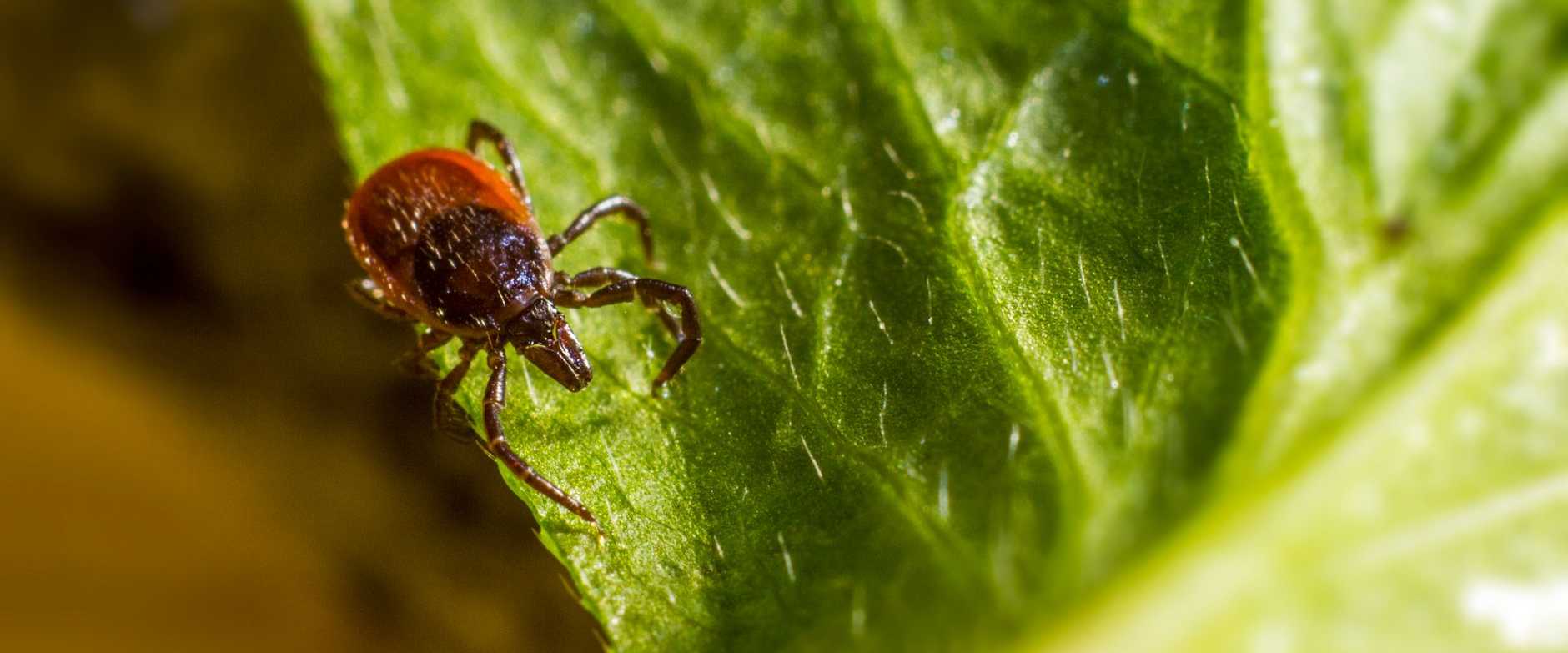
Tick Season
The spring-to-autumn period when ticks are most active and most likely to bite pets, spreading diseases like Lyme disease and babesiosis.
Also known as Tick activity season, Peak tick season, Tick-borne disease season
Ticks wake up as soon as the weather turns mild, which is why most of Europe sees two real danger windows rather than one: a strong spring surge from March through June, and a second, usually smaller wave from late summer into autumn. Central European and UK data show ticks reaching their busiest points around April and May, then again around September and October, though the exact timing shifts with local climate and weather.
The core problem isn't the tick itself, it's what it can be carrying. As a tick feeds, it can pass on bacteria or parasites that cause diseases like Lyme disease (borreliosis) and babesiosis, and these infections can affect both pets and, in some cases, the people who live with them. The good news is that transmission usually isn't instant: many pathogens need the tick attached for a day or more before they pass into your pet's bloodstream, which is why daily checks after time outdoors, paying particular attention to the collar area, eyelids, ears, tail, and between the toes, are so effective. If you do find one attached, resist the urge to squeeze or crush it, since doing so can push infectious material into your pet's bloodstream. A proper tick removal tool, or your vet, is the safer route.
Cats can pick up ticks too, though it happens less often than in dogs, and infestation tends to follow the same strong seasonal pattern in both species. Owners sometimes assume a housecat is safe, but any pet with outdoor access, even briefly, is fair game.
A few things worth watching for after a tick bite, none of which are cause for panic on their own but all worth a vet call if they show up in the weeks that follow:
- Unexplained lethargy or reduced appetite
- Fever
- Swollen joints or lameness that shifts from leg to leg
- Pale gums or unusually dark urine (can signal red blood cell breakdown)
- Swollen lymph nodes
Prevention is the part that actually moves the needle, and it works best as routine rather than an occasional afterthought. That means a vet-recommended tick preventive used consistently through the risk months (year-round in warmer regions), checking your pet's coat by hand after walks, and being a bit more cautious in long grass, woodland edges, or brushy trails where ticks wait to latch on. Because climate change is gradually stretching tick activity into what used to be quieter months, it's worth asking your vet whether your local risk window has shifted before you assume tick season is over for the year. The guides below go deeper into removal technique, specific diseases, and choosing the right preventive for your pet.