Vehicle Collision Trauma
The injuries a dog or cat can suffer after being struck by a car or other vehicle, from fractures and bruised lungs to internal bleeding, and why every case is an emergency.
Also known as Hit by Car, HBC, Road Traffic Accident, RTA, Car Accident Injuries, Struck by a Vehicle
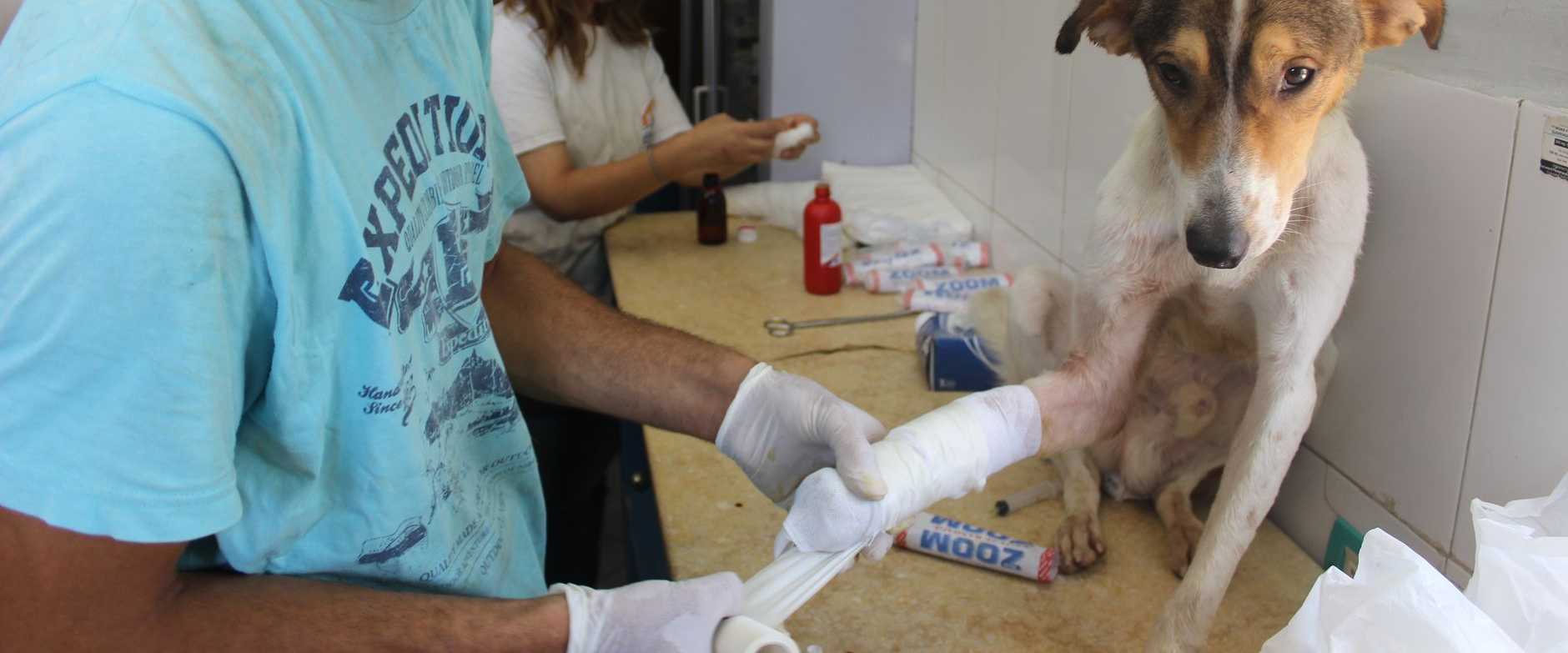
Being hit by a car, motorbike or bicycle is one of the most common serious emergencies in dogs and cats. Vets often shorten it to HBC (hit by car), and they treat it as polytrauma, meaning several body systems are likely injured at once rather than just the leg that looks obviously wrong. The force of a collision travels through the whole body, so a pet may have broken bones in the pelvis or limbs, bruised lungs, air or blood collecting around the lungs, bleeding into the abdomen from a torn spleen or liver, a tear in the bladder, injuries to the spine or brain, and skin wounds where the body slid along the road. The Merck Veterinary Manual lists the spine, pelvis, urinary tract and gut among the areas that need checking in any animal struck by a vehicle.
The part that catches owners out is how normal some pets look afterwards. A dog may stand up, wag their tail and walk to the car; a cat may run home and hide. Neither rules out a life-threatening injury. Bruising in the lungs can worsen over the first day, bleeding inside the abdomen may build slowly, and a tear in the diaphragm or bladder can take hours to declare itself. This is why veterinary advice is consistent: every animal involved in a road accident should be examined the same day, even without visible wounds, and many need monitoring for the first 24 to 48 hours.
What to do and what to expect
At the scene, your own safety comes first: check for traffic before stepping into the road. A frightened, painful animal may bite even if they never have before, so keep your face away from their mouth and get help if someone is nearby. Move your pet as little as you can, ideally sliding them onto something flat and firm like a board or a stiff blanket, cover them to keep them warm, and phone the clinic while you are on the way so the team is ready. Do not give food, water or any human painkiller; ibuprofen and paracetamol are poisonous to dogs and cats.
At the clinic, the first job is triage: checking breathing, circulation, pain and consciousness, and treating whatever is most immediately dangerous. That often means oxygen, an intravenous drip, strong pain relief and wound care before anything else. Once your pet is more stable, X-rays, bedside ultrasound of the chest and abdomen, blood tests and sometimes CT show the full picture. Treatment from there depends on what is found. Some pets need only pain control, rest and monitoring; others need surgery for fractures, internal bleeding or damage inside the chest or abdomen. Fracture repair is usually planned once the pet is stable, which is why the first hours focus on stabilisation rather than fixing the obvious break.
This is general information, not a substitute for an examination. If your pet has been hit by a vehicle, contact a vet or emergency clinic straight away.