Vitamin D3 / UVB
Why dogs and cats get vitamin D from diet while many reptiles, rabbits, and birds need UVB light, and how to keep both safe.
Also known as Cholecalciferol, Vitamin D, UVB Light
Vitamin D3 and UVB are connected, but the connection works differently depending on the species. Vitamin D3, also called cholecalciferol, is a fat-soluble nutrient that keeps calcium and phosphorus in balance in the body. That balance supports healthy bones, muscle function, and normal cell activity. What surprises many owners is that dogs and cats cannot make meaningful amounts of it by sitting in the sun. Their skin contains very little of the precursor compound that UVB light would normally convert, so they need vitamin D3 from their diet instead. Researchers have shown this directly: puppies fed a diet without vitamin D still developed rickets even when they got daily UVB exposure.
For dogs and cats, that makes vitamin D a food question first. Complete commercial diets are formulated to supply it within a safe range, but unbalanced home-prepared or raw diets carry a real risk of running short. The opposite problem is also dangerous. Because vitamin D is stored in the liver and body fat rather than passed in urine, too much can build up and cause toxicity. Cholecalciferol rodenticides are a common poisoning source, and even a small amount, around half a tablespoon of some pellets for a 9 kg dog, can push blood calcium dangerously high. Signs to watch for include vomiting, loss of appetite, excessive thirst, increased urination, drooling, weight loss, and kidney failure. If you suspect your dog ate rat bait, get veterinary help right away.
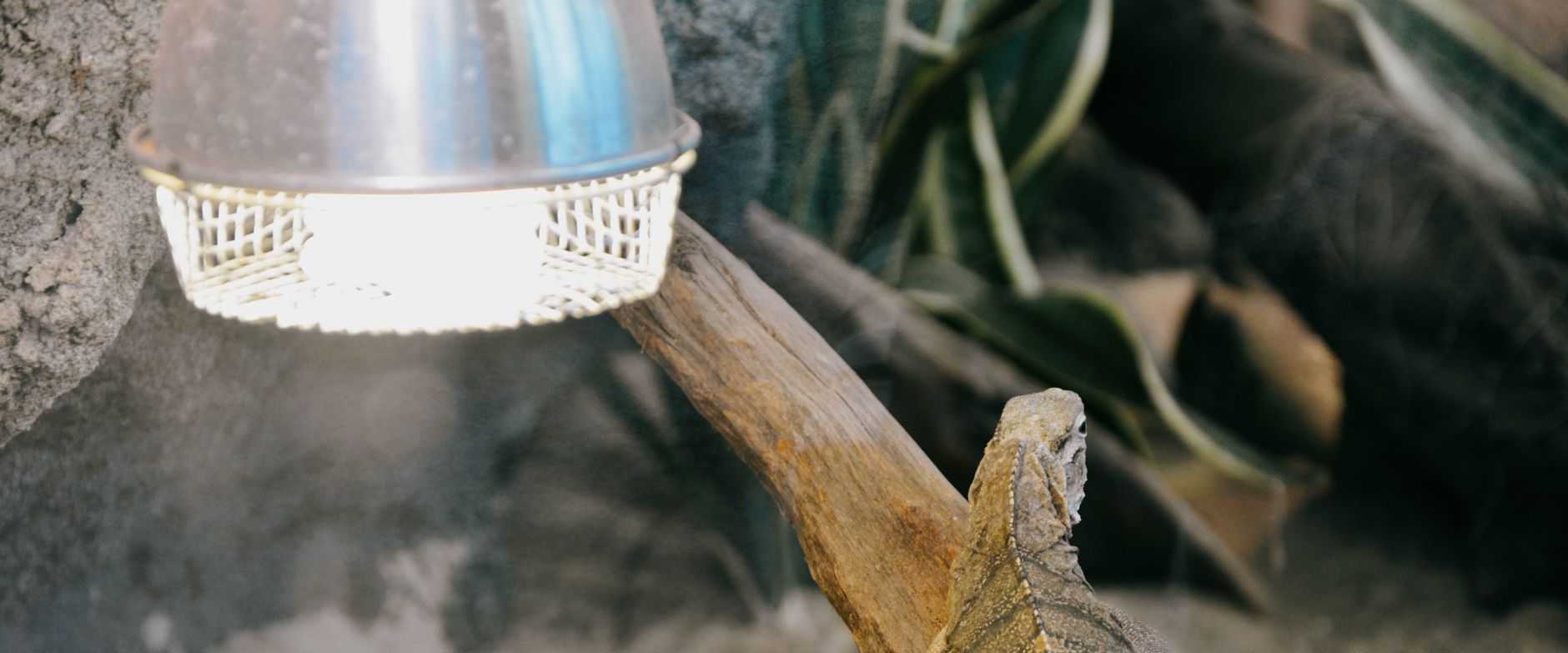
Reptiles, indoor rabbits, and some tropical birds work the other way. Many pet reptiles, especially those active by day or at dawn and dusk, rely on UVB in the 290 to 320 nanometre range to make vitamin D3 in their skin. Without it they cannot absorb calcium properly and can develop metabolic bone disease. UVB has to actually reach the animal, though. Window glass filters out almost all of it, and glass, plastic, or dense mesh tank lids do the same. UVB bulbs also lose their effective output over time and should be replaced roughly every six months, even if they still glow.
The practical rule is simple: for dogs and cats, vitamin D3 is a dietary matter, while for many reptiles, birds, and rabbits, it is a lighting matter. Because the safe range is narrow in both directions, a veterinarian is the best person to review your pet's diet or enclosure setup.