Kleintierpraxis Weiz
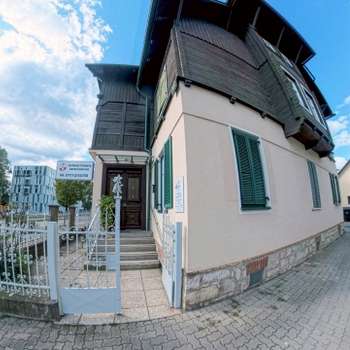
Practice in Bahnhofstraße 22, 8160 Weiz, Austria
Kleintierpraxis Weiz treats cats, dogs, and small pets like rabbits, hamsters, and guinea pigs, as well as reptiles and poultry. Terrarium keeping is a particular focus: because many reptile illnesses are husbandry-related, the substrate, humidity, tankmates, and lighting of the terrarium are all part of the examination. For beekeepers, there is also advice on bee health, ranging from on-site diagnostics to support in disease control. The practice features its own laboratory for blood, urine, and fecal analyses, along with X-ray and ultrasound; leech therapy and nutritional counseling are also available.
Treated animals
Small Animals & Pets
- cats
- dogs
- guinea pigs
- rabbits
- small rodents
Reptiles & Amphibians
- amphibians
- invertebrates
- lizards
- snakes
- turtles
Large & Farm Animals
- poultry
Insects
- bees
Medical focus areas and specializations
- coat care
- dentistry
- nutrition counseling
- parasitology
- surgery
- ultrasound
- vaccinations
- x-ray
Services
- LaboratoryOn-site blood, urine, and tissue analysis
Opening hours
- Monday
- 5:00 PM–7:00 PM
- Tuesday
- 9:00 AM–11:00 AM5:00 PM–7:00 PM
- Wednesday
- 5:00 PM–7:00 PM
- Thursday
- 5:00 PM–7:00 PM
- Friday
- 9:00 AM–11:00 AM
- Saturday
- 9:00 AM–11:00 AM
- Sunday
- Closed
Emergencies
Appointments & new clients
Spoken languages
- 🇩🇪 German
Contact
- Website
- Email
- Phone
Practice location
Kleintierpraxis Weiz
Practice location
Bahnhofstraße 22
8160 Weiz
Austria
Team 1
Reviews
A very friendly and competent woman. She even gave me 10 cockroaches for free. They normally cost 10 to 13 euros. Thanks again! 👍
Dr. Lehmann gave my dog the wrong medication, so luckily we went to the veterinary clinic in Gleisdorf, and they really helped us there. The vet was unfriendly and snatched the leash out of my hand, but the assistant was very nice.
Thank you so much for your help. My trusted veterinarian
My cat had a nasty bite wound. Dr. Lehmann's treatment was highly competent and very personal. You feel comfortable in her practice right away. THANK YOU!
The assistant was very nice, but the vet immediately brushed me off when I arrived with a wild bird. She said she couldn't help me and that I should go to the wildlife rescue center. She didn't even look at the bird's wing. Only when I clearly stated what I needed did she become more friendly.
Frequently asked questions
Dogs and cats must not eat for six hours before the procedure. Small pets such as rabbits are not kept from eating beforehand. Before the surgery, the animal is thoroughly examined to assess the anesthetic risk.
Yes, only healthy patients are vaccinated, which is why every animal is thoroughly examined before any vaccination. The intervals depend on the vaccine: for dogs, the rabies vaccination can be boostered every three years, while protection against leptospirosis lasts for one year.
For free-roaming cats and toms, the animal welfare act requires neutering; for indoor cats, constant heat or marking behavior are reasons to do so. For female dogs, there are medical reasons such as uterine diseases or pseudopregnancy, but also potential drawbacks like urinary incontinence. Instead of surgery, chemical castration via a hormone chip lasting six to twelve months is possible; the practice provides individual advice for every case.
In Austria, dogs must wear a microchip whose number is registered in a database so that the owner can be identified. Breeding cats are also microchipped, for example for electronic cat flaps. For travel within and outside the EU, the chip is mandatory along with an international pet passport featuring a valid rabies vaccination.
Yes, reptiles, amphibians, and invertebrates are welcome as patients. Because a large proportion of illnesses are husbandry-related, the substrate, humidity, tankmates, and lighting of the terrarium are included in the examination. Fecal analyses are handled through the in-house laboratory.
Yes, the veterinarian is a specialist in bee medicine and keeps bees herself. She advises on good beekeeping practice and species-appropriate bee husbandry, performs on-site diagnostics for conditions like varroa and American foulbrood, and supports official veterinarians in disease control.
Veterinary practices nearby






Are you the owner or a team member of this practice? Claim this profile to manage it yourself.