Pferdepraxis Dr. med. vet. Sebastian Roemer
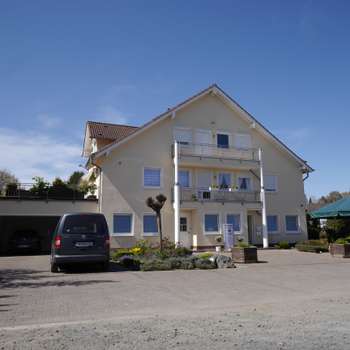
Practice in Domblick 10, 53639 Königswinter, Germany
House calls across the Bonn, Hennef (Sieg), Brühl area
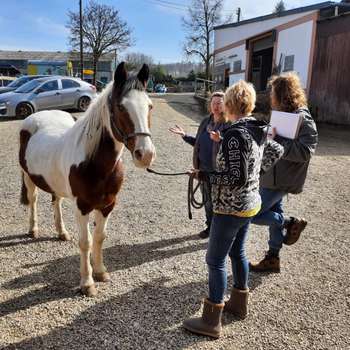
The equine practice of Dr. med. vet. Sebastian Roemer in Königswinter operates as an ambulatory service: examinations, treatments, and emergencies take place directly at the stable. Three veterinarians with additional qualifications care for horses in general medicine, gynecology, internal medicine, orthopedics, surgery, as well as chiropractic and acupuncture. For diagnostics, the technology comes right to the horse—digital X-ray, endoscopy, ultrasound, and a mobile blood gas analyzer; cardiac ultrasound is also offered on site. A special field of expertise for the practice is dental treatments up to and including tooth extractions.
Treated animals
Large & Farm Animals
- horses
Medical focus areas and specializations
- acupuncture
- allergology
- anesthesia
- cardiology
- chiropractic & osteopathy
- dentistry
- endoscopy
- general medicine
- gynecology
- internal medicine
- ophthalmology
- orthopedics
- pre-purchase examination
- surgery
- ultrasound
- vaccinations
- x-ray
Opening hours
- Monday
- 8:30 AM–6:00 PM
- Tuesday
- 8:30 AM–6:00 PM
- Wednesday
- 8:30 AM–6:00 PM
- Thursday
- 8:30 AM–6:00 PM
- Friday
- 8:30 AM–5:00 PM
- Saturday
- Closed
- Sunday
- Closed
Emergencies
Appointments & new clients
Spoken languages
- 🇩🇪 German
Contact
- Website
- Email
- Phone
- Fax
- Instagram
Practice location and mobile service area
Pferdepraxis Dr. med. vet. Sebastian Roemer
Practice location
Domblick 10
53639 Königswinter
Germany
House calls
Bonn, Hennef (Sieg), Brühl
Team 5
Reviews
Thank you so much for the excellent care and the warm and comforting support during my final hours. I felt very well cared for. You were extremely reliable and competent.
Friendly and competent veterinary team. Always ready to answer questions. Various horses (my own and those of friends) have always received excellent care and expert treatment.
Today was our first visit to this practice. I'm absolutely thrilled! Nadja F. took a tremendous amount of time and was very empathetic to our needs. Highly recommended!
A competent, reliable, and friendly veterinary team. I have felt well-advised for many years.
I rate Dr. Römer's equine practice 5 stars due to consistently excellent service: - They use high-quality equipment (gastroscopy). - Clear communication. They provide good, understandable explanations of findings and treatment options. They also ensure a thorough handover to the clinic. - Reliability - Appointments are kept, and in case of delays, you receive a call in advance. They handle Amir professionally, calmly, and safely.
Frequently asked questions
Yes. The practice is an ambulatory service, so examinations and treatments generally take place at the home stable—ranging from lameness examinations, wound care, and castration to dental treatment.
Colic often manifests nonspecifically, such as by pawing, flehmen response, looking at the flank, rolling, sweating, or reduced manure output. In case of such signs, the practice can be reached around the clock.
Yes. In addition to regular dental checks and the correction of sharp points and hooks, the practice also performs incisor and cheek tooth extractions directly at the stable.
Yes. Using a high-resolution device, the heart is examined and measured at the stable in various scanning positions; normal and pathological blood flows can be assessed using color Doppler technology. Clinical examination and ECG are also included as complementary measures.
The clinical examination includes a detailed general and orthopedic assessment. Additionally, a radiographic examination following the 2018 X-ray guidelines with 18 images is possible, as well as endoscopy of the respiratory tract and ultrasound examination of soft tissues.
Between the 16th and 18th day after insemination. This early check also serves to detect a twin pregnancy in good time; a second check follows around the 45th day, when the heartbeat can be visualized.
Yes, castration is performed under general anesthesia at the home stable using the covered method, so that there is no open access to the abdominal cavity. Afterward, the horse receives antibiotic and pain-relieving care and should remain in the box for about 14 days.
Veterinary practices nearby

Are you the owner or a team member of this practice? Claim this profile to manage it yourself.