Tierarztpraxis Dr. Stadler
Practice in Friedrichstraße 13, 69168 Wiesloch, Germany
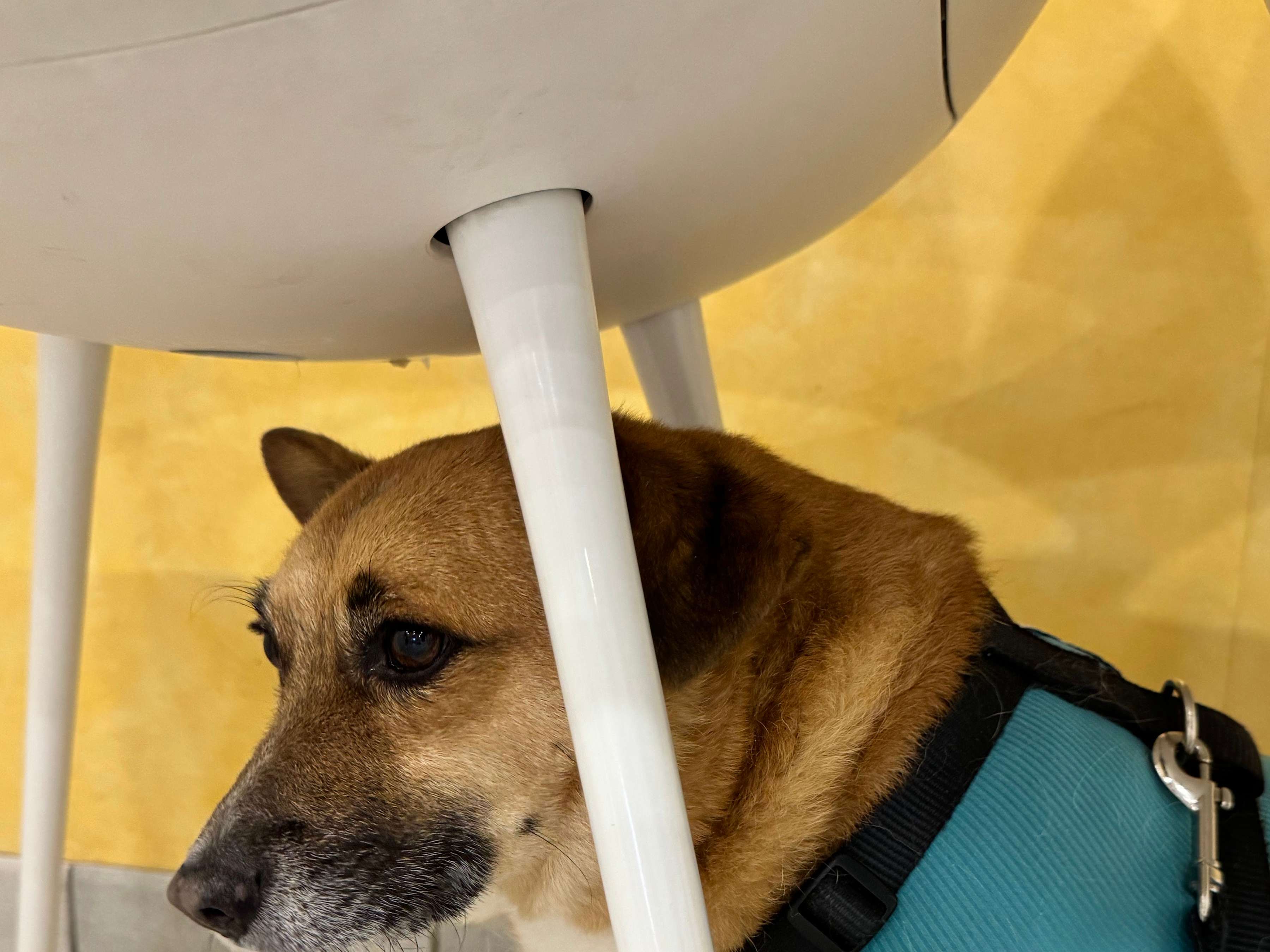
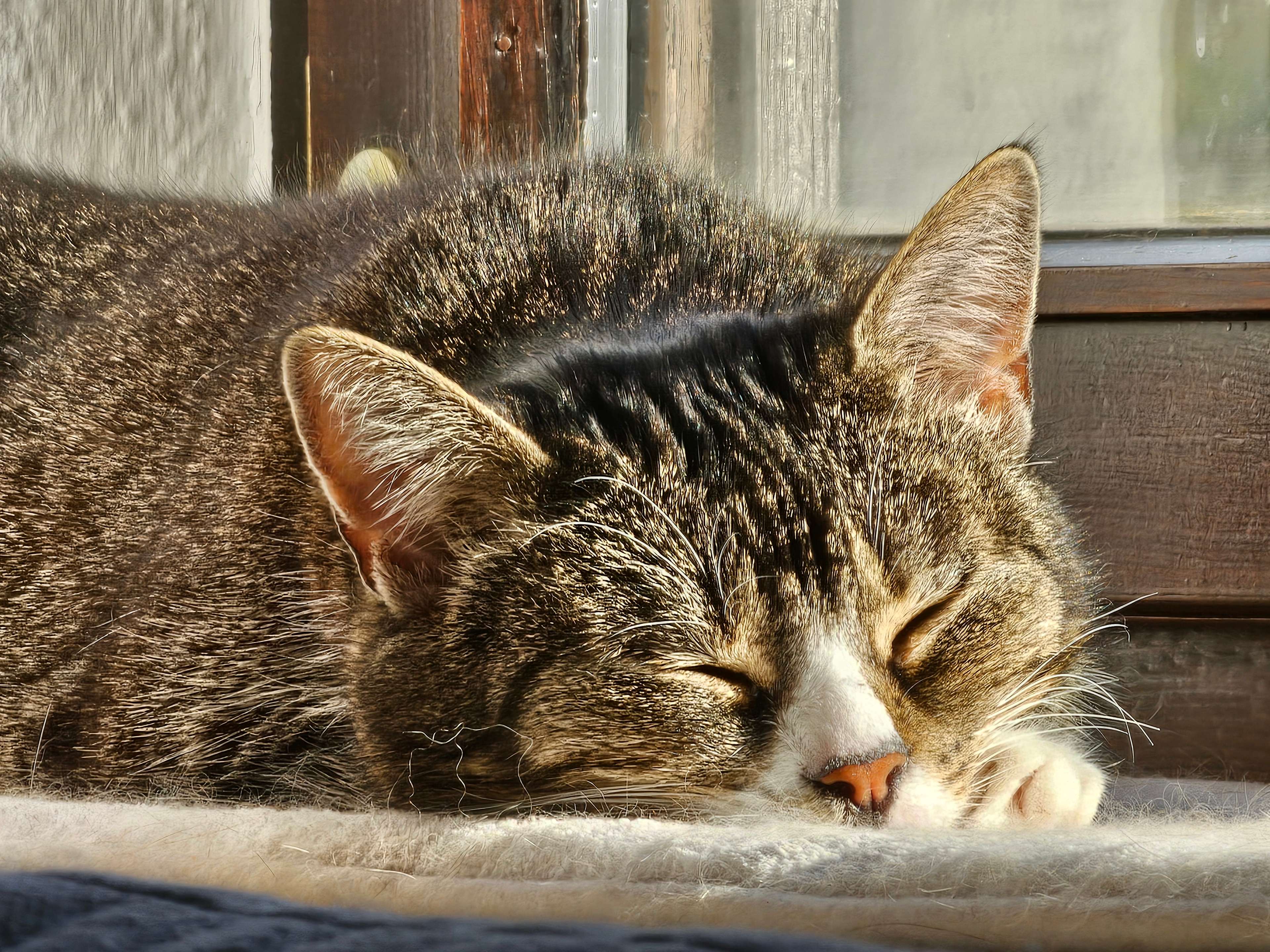
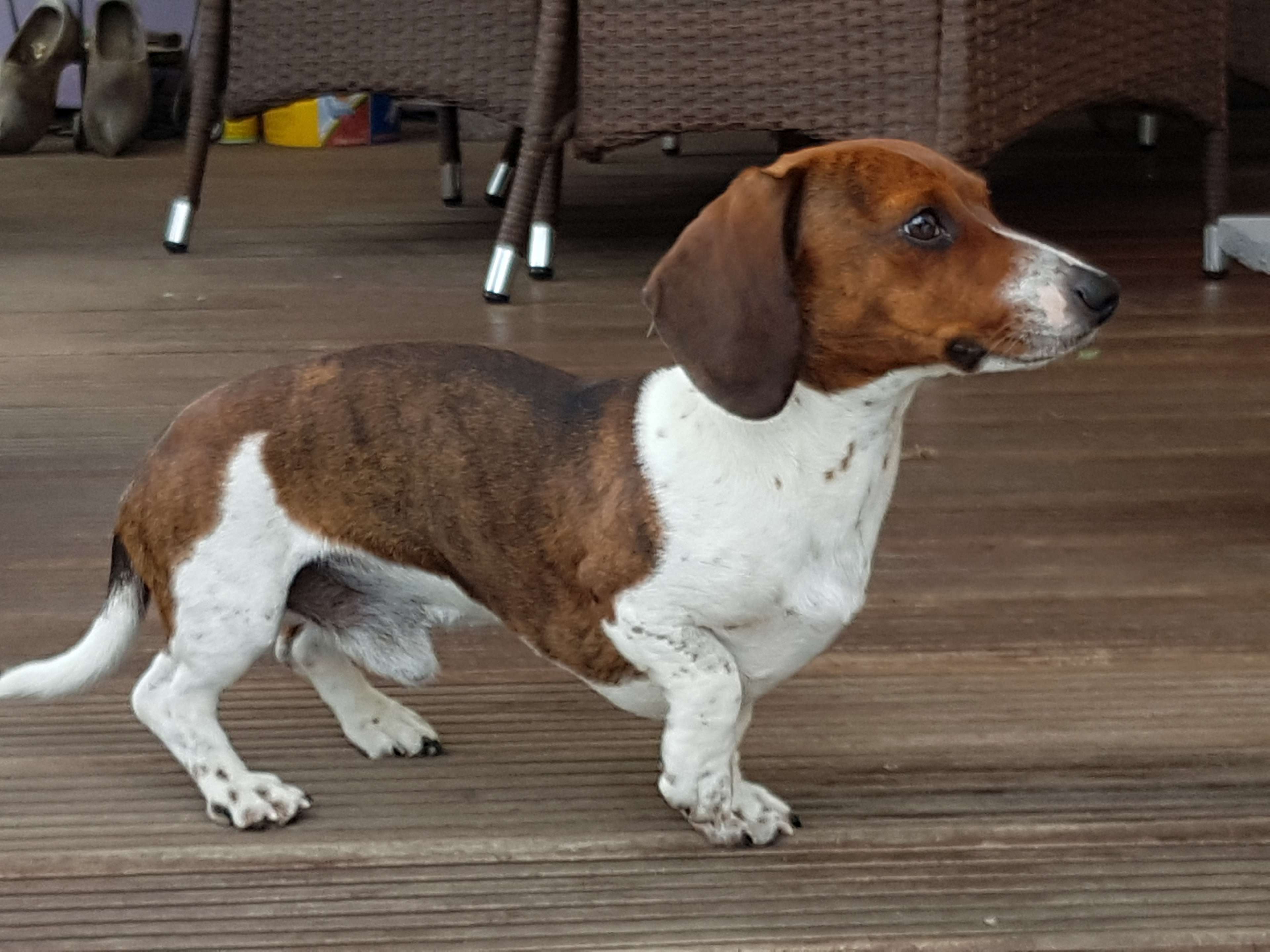
The Tierarztpraxis Dr. Stadler in Wiesloch is run in its third generation and treats dogs, cats, as well as small pets and small mammals based on the principle of "with heart and mind". The team of veterinarians and veterinary assistants covers a broad spectrum: internal medicine, cardiology, surgery, dentistry, dermatology, ophthalmology, orthopedics, and oncology, complemented by acupuncture, homeopathy, and gold implantation. A dedicated physiotherapy area with an underwater treadmill supports recovery after surgeries and for joint conditions. Cats are cared for as stress-free as possible, with short waiting times and little contact with dogs. Even with difficult diagnoses, the team takes time for an open conversation and supports both pet and owner together.
Treated animals
Small Animals & Pets
- cats
- dogs
- ferrets
- guinea pigs
- rabbits
- small rodents
Medical focus areas and specializations
- acupuncture
- alternative medicine
- cardiology
- dentistry
- dermatology
- ECG
- endoscopy
- homeopathy
- internal medicine
- laser therapy
- nutrition counseling
- oncology
- ophthalmology
- orthopedics
- physiotherapy
- surgery
- travel advice
- ultrasound
- vaccinations
- x-ray
Services
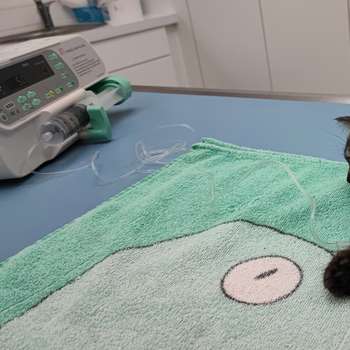
- HospitalizationOvernight or multi-day monitoring and care
- LaboratoryOn-site blood, urine, and tissue analysis
Opening hours
- Monday
- 8:00 AM–1:00 PM2:00 PM–6:00 PM
- Tuesday
- 8:00 AM–1:00 PM2:00 PM–6:00 PM
- Wednesday
- 8:00 AM–1:00 PM2:00 PM–6:00 PM
- Thursday
- 8:00 AM–1:00 PM2:00 PM–6:00 PM
- Friday
- 8:00 AM–1:00 PM2:00 PM–6:00 PM
- Saturday
- Closed
- Sunday
- Closed
Emergencies
Appointments & new clients
Spoken languages
- 🇩🇪 German
Payment methods
Contact
- Website
- Email
- Phone
- Fax
Practice location
Tierarztpraxis Dr. Stadler
Practice location
Friedrichstraße 13
69168 Wiesloch
Germany
Team 18
Dr. Joachim Stadler
Veterinarian
Eva-Maria Stadler
Veterinarian
Julia Stadler
Veterinarian
Sven Böhme
Veterinarian
P. Wegmann
Veterinarian
N. Kralj
Veterinary assistant and animal physiotherapist
J. Rühl
Veterinary assistant
J. Ernst
Veterinary assistant
L. Boser
Veterinary assistant
K. Diehm
Veterinary assistant
D. Themel
Veterinary assistant
Caroline Frank
Veterinary assistant trainee
Ch. van de Locht
Veterinary assistant
AM Bauer
Veterinary assistant trainee
V. Hegetö
Veterinary assistant trainee
P. Bethge
Organization and office
S. Haliti
Hygiene officer
S. Häcker
Hygiene officer
Reviews
Prima Service
Top
The staff were very helpful, and got our cat all caught up on his vaccinations quickly! Great service, and convenient location if you live in Wiesloch.
We had our first consultation today, and they spent almost an hour with us. Our next appointment for further treatment is in two weeks. All the staff are incredibly friendly and very competent. We hope Nala 🐶 will get a diagnosis quickly at the next appointment.
Disorganized, long waiting times, unnecessarily complicated and outdated procedures, blood-stained hands while removing the stitches, and letting the intern poke around at the wound without even checking, all accompanied by rude behavior. We've seen many veterinarians and have 25 years of experience in animal husbandry. It was the closest practice, but we prefer to drive a bit further. I wouldn't recommend it to anyone unless you have a lot of money and time to spare, and no real interest in truly good treatment. Addendum: I had to remove the last bit of thread myself at home because Mr. Stadler dismissed it as just a bit of lint (it was actually a roughly 3mm long blue piece that came out of the wound using disinfected tweezers, clean hands, and gloves – even I know what hygienic wound care means).
Frequently asked questions
As a rule, your pet may eat for the last time twelve hours before anesthesia and drink for the last time two hours before, to prevent vomiting during anesthesia induction. Small mammals like rabbits and guinea pigs receive hay until shortly before the procedure. Upon request, you will receive an information sheet with all instructions.
For dogs, the team likes to induce anesthesia in the familiar arms of the owner. For cats, presence usually acts as an additional stimulus, so they wait in a quiet environment. After the procedure, the animals remain in the practice for monitoring until they wake up; you may bring your own blanket or toy.
Cats are treated as stress-free as possible: short waiting times, high placement options for the transport carrier, and a workflow where they barely encounter dogs. Before the examination, the cat gets time to calm down in the consultation room, and inpatient accommodation is also tailored to its needs.
Yes, a particularly small microchip is used – while awake or as part of an anesthesia that is necessary anyway. Afterward, the pet should be registered with a pet database so that the chip can be assigned. For an EU pet passport, the identification is mandatory anyway.
For dogs with chronic joint pain, small gold wires are placed at acupuncture points around the affected joints under anesthesia. The procedure is minimally invasive, and the animals usually stand up without any problems afterward. Subsequently, the gait pattern is trained specifically to prevent the old compensatory posture from returning.
Yes, the underwater treadmill is used primarily for rehabilitation after orthopedic surgeries, for arthrosis, overweight, and neurological disorders. The buoyancy relieves joints and spine, and the fill level and training duration are increased slowly. You can be present during the sessions and comfort your pet.
Veterinary practices nearby




Are you the owner or a team member of this practice? Claim this profile to manage it yourself.