Grass Seeds in Dogs: The Hidden Summer Hazard in Paws, Ears and Noses
A guide to how grass seed awns injure dogs, the warning signs by body site, home checks and removal, and when to seek veterinary treatment.
- dogs
- dermatology
- surgery
- internal medicine
- general medicine
- Foxtails / Grass Seeds
- Foreign Object Removal
- Ear Infections
- Wound Care
- Head Shaking
·
Key takeaways
- Check paws, ears, armpits, groin and muzzle after every walk through long grass
- Comb the coat thoroughly, not just a visual check, especially feathering on legs and ears
- Remove loose seeds sitting in the coat right away, pulling in the direction of the point
- Never dig at a seed that has pierced skin, an ear, eye or nostril - call the vet instead
- Trim hair short between the toes and around the ears through seed season
- Seek same-day veterinary care for sudden head shaking, sneezing fits, paw swelling or a weepy eye
Every summer, clinics fill up with dogs who came home from an ordinary walk with something tiny lodged in them. Grass seeds in dogs look like nothing much: a dry, pointed sliver a centimetre or two long. But these seeds are built to bury themselves, and once one pierces the skin it keeps going. This guide is for owners walking dogs through long grass between late spring and early autumn. It covers what to look for, what you can safely do at home, and the signs that mean you should stop looking and pick up the phone.
What makes grass seeds so dangerous for dogs?
The troublemaker is the awn: the bristly, arrow-shaped tip of the seed head from wild grasses, barley, oats and similar species. An awn has a sharp point at one end and rows of backward-pointing barbs along the shaft. Stroke it in the direction of the point and it glides. Try to pull it back and the barbs catch.
That one-way design is the whole problem. An awn caught in the coat works its way down to the skin with every step, and once it is inside the body it cannot reverse direction and back out on its own. Seeds are at their most dangerous once they have dried and hardened over the summer.
Plant material is not sterile either. Awns carry bacteria with them, so the tract they leave behind tends to become infected and can wall off into an abscess. The reassuring part is that most cases stay local and straightforward: in a series of 791 confirmed cases in dogs and cats, the short-term outcome was good and the majority were managed as outpatients. A minority went on to develop life-threatening disease needing imaging, endoscopy or surgery.
One thing that surprises owners is how poorly seeds show up on scans. In a study of dogs and cats that had a CT scan before the seed was retrieved, the seed itself was visible in only 19% of cases, while the swelling, abscess or fluid it had caused was visible in 96%. Imaging usually shows the damage rather than the culprit, which is why catching one early matters so much.
Which dogs are most at risk?
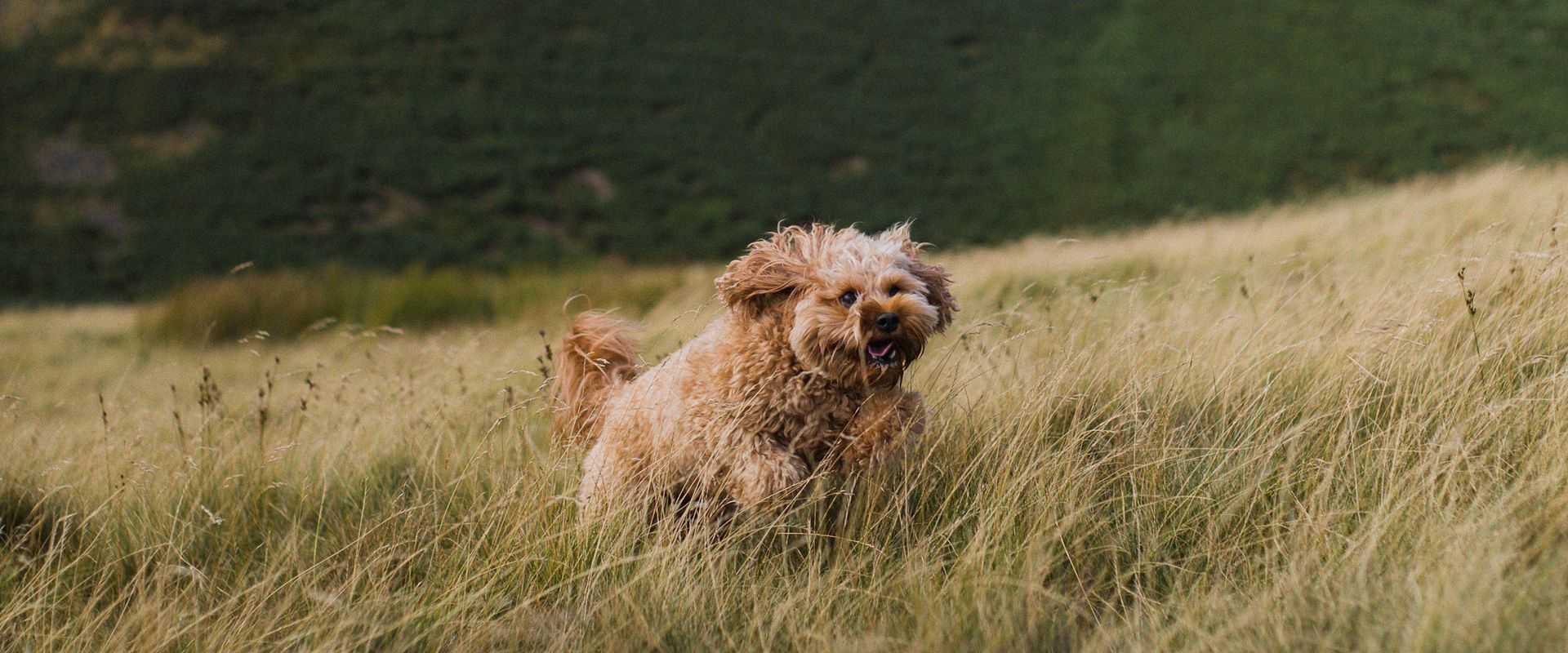
Any dog that runs through grass that has gone to seed can pick one up, but coat type matters. In a large study in rural Australia, dogs with medium-length coats had three times the odds of grass seed disease compared with short-coated dogs, and affected dogs were five times less likely to have been groomed regularly. Breeds with dense coats were over-represented.
Hunting and working dogs are the classic patients. Spaniels, pointers and retrievers appear again and again in case series, partly because they run open-mouthed through fields and partly because a longer coat holds the seed against the skin long enough for it to penetrate.
Short, smooth-coated dogs are not immune. They collect fewer seeds, but the ones they do pick up head straight for the skin between the toes, the armpits and the groin.
Where do grass seeds get stuck, and what are the signs?
Location decides the signs. In dogs, the ear canal is the single most common site, followed by the skin and the nasal cavity. Most problems show up within hours to days of a walk in long grass, but not all: in one series the signs had been present for a median of four weeks before the seed was found, with a range from two days to two years. If your dog develops any of the following in seed season, mention the walks even if they feel like ancient history.
Paws and between the toes
The most common site after the ear. Watch for:
- Sudden, obsessive licking or chewing of one foot, often with saliva staining on the fur
- Limping or holding the paw up
- A red, shiny swelling between two toes, sometimes with a small hole or a bead of discharge
- Yelping when you touch the foot
Foreign body swellings between the toes are usually solitary and often on a front foot, and they can rupture and leak bloody fluid when pressed. Persistent licking between the toes after a summer walk is a red flag even if you cannot see a thing.
Ears
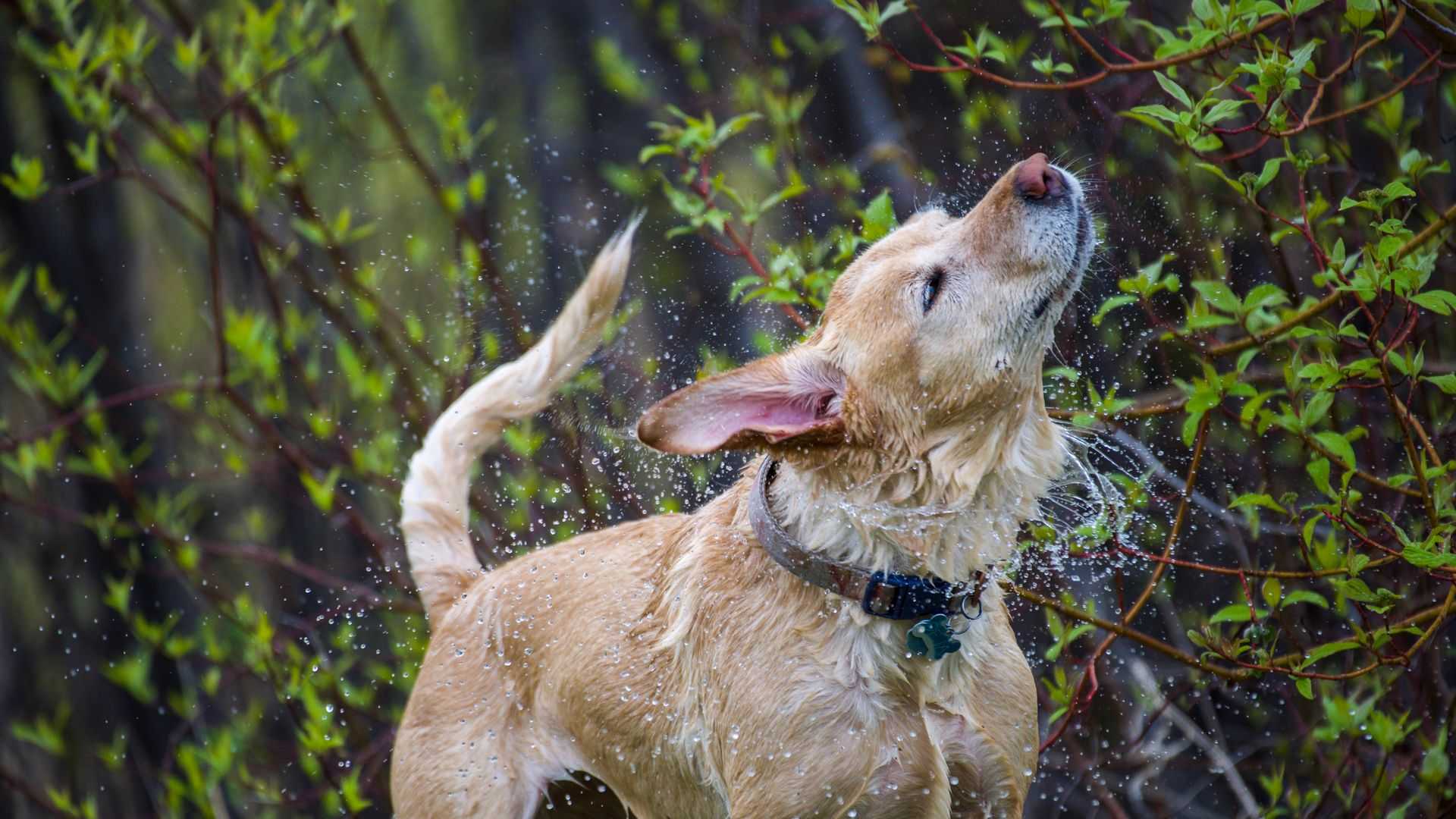
An awn that slips into the ear canal causes instant distress: violent head shaking, tilting the head to one side, frantic scratching and pawing at the head, and crying out. Left in place it inflames the canal and sets off infection, and scans have shown fluid reaching the middle ear cavity in affected dogs. Not every summer ear problem is a seed, of course, and water trapped after swimming causes very similar signs, so a vet needs to look down the canal to tell them apart.
Nose
Inhaled awns cause explosive, repeated sneezing that starts suddenly. In dogs diagnosed with a nasal foreign body by rhinoscopy, sneezing was the sign in nearly four out of five cases, and more than 90% of the objects retrieved were grass awns. You may also see discharge or a little blood from one nostril only, pawing at the face, or nose-rubbing along the carpet.
Eyes
A seed under the eyelid or in the tissues around the eye causes squinting, streaming tears, redness and pawing. Do not wait on this one. In a documented case of an awn that penetrated a dog's eyelid, the eye became swollen and discharged pus, and the dog went off its food and became lethargic before the seed was found and removed a month later. Seeds have also been recovered from behind the eye and, rarely, from inside it.
Skin, armpits, groin and tail
Awns like thin-skinned, sheltered areas. Look for a small weeping wound, a lump that keeps coming back, or an abscess that settles on antibiotics and then breaks open again once the course finishes. Deeper migration produces vaguer signs. In dogs and cats where an awn reached the abdomen, lethargy, loss of appetite and fever were the usual complaints, with no obvious wound to point at.
Airways and chest
Uncommon but serious. Coughing, laboured breathing and a high temperature in a dog who has recently been in long grass deserve urgent assessment. Migrating awns in the chest are a recognised cause of pneumonia, pus in the chest cavity and collapsed lung, and the typical patient is a young hunting-type dog with a cough and a fever. Awns reaching the brain or spine are rare, but they have been documented, and they cause severe illness.
How should I check my dog after a walk in long grass?
Make it a two-minute routine at the door, not a project. Run your hands over your dog while the coat is still holding the seeds.
- Start at the head. Look inside both ear flaps and around the folds, and check around the eyes and muzzle.
- Work along the body, paying attention to the armpits, chest, belly, groin and under the tail.
- Lift each paw and spread the toes apart. Check the webbing top and bottom, and look between the pads.
- Comb the coat, especially the feathering on legs, ears and tail. This step matters more than it sounds: coat searching without proper grooming did not protect dogs in the Australian study, while regular grooming did.
- Give a quick once-over again that evening. Seeds you missed will often have worked their way to the skin by then, and the dog will be drawing attention to the spot.
Can I remove a grass seed from my dog at home?
Sometimes, and the dividing line is simple.
- Seed sitting loose in the coat or easy to reach: Pick it out with your fingers, tweezers or a comb, pulling in the direction the point is facing. Check that you have the whole seed head, because fragments left behind can still migrate. This is exactly what you want to be doing, and it prevents the whole problem.
- Seed that has pierced the skin, or gone into an ear, eye or nostril: Leave it and call your vet. Digging at a partly embedded awn usually snaps the shaft and leaves the barbed remainder deeper than before. Ears, eyes and noses are painful, delicate and impossible to examine properly at home.
If a paw is already swollen and you cannot get to a vet the same day, soaking the foot in warm water is a commonly recommended part of treating swellings between the toes and can keep the area clean while you wait. It is a holding measure, not a cure. Do not apply creams and do not squeeze the swelling.
When to call the vet
Contact your vet the same day if your dog has any of these after time in long grass:
- Non-stop licking or chewing at one paw, or a hot, painful swelling between the toes
- Sudden head shaking, head tilt or crying when the ear is touched
- Explosive sneezing fits, or bleeding from one nostril
- A squinting, weepy, swollen or red eye
- A weeping hole in the skin, or a lump that keeps bursting and refilling
- Lethargy, poor appetite or a fever with no obvious cause
Go to an emergency clinic straight away if your dog is struggling to breathe, coughing hard, collapsed, or clearly painful and feverish.
Timing is the whole game. Retrieval is easier the sooner the seed is identified, and an awn found on day one is often a short procedure under sedation. The same awn weeks later can mean surgical exploration with no guarantee of finding it.
What will the vet do?
Nearly all of this needs sedation or a short general anaesthetic, because the areas involved are far too sore for a dog to hold still for.
- Ears: Removal with fine forceps through an otoscope or endoscope, plus treatment of any secondary ear infection
- Nose and airways: Retrieval by endoscopy. In the rhinoscopy study above, every seed was retrieved this way and signs resolved in 97% of dogs followed up
- Paws and skin: Lancing or opening the swelling to find and remove the seed, with antibiotics afterwards. Courses for swellings between the toes commonly run four to six weeks, and sometimes longer
- Deeper sites: Ultrasound is the workhorse. In dogs operated on for chronic abscesses and draining tracts, ultrasound before surgery found the foreign body in 88% of cases compared with 57% for CT or MRI, and scanning again during surgery raised the success rate for actually getting it out
Sometimes the awn cannot be found at the first attempt. That is frustrating but not unusual, and your vet may treat the infection, recheck in a few days and scan again.
How can I prevent grass seed problems?
- Keep the hair trimmed short between the toes, around the ear openings and on the belly through the seed season. For long-coated dogs this is the single most useful thing you can do
- Groom properly after walks rather than just looking the coat over
- Avoid fields of dried, seeding grass at the peak of the season and stick to paved or mown paths, keeping your dog on a lead if you have to cross one
- Consider a mesh head net that clips to the collar for dogs who repeatedly get seeds in the nose or ears, remembering it protects nothing below the neck
- Pull up or cut back seeding grasses in your own garden so your dog is not collecting them at home
After treatment
Keep any dressing clean and dry, use a collar or cover if your dog wants to lick the site, and finish the full course of prescribed medication. Stopping antibiotics early is a well-known reason for swellings between the toes to come back. Watch for the swelling returning or a new lump appearing further up the leg, since that can mean a fragment stayed behind or a second awn is on the move. Tell your vet if it does.
Grass seeds are one of the few summer hazards where a short, boring habit genuinely prevents the emergency. Two minutes with a comb at the door beats an anaesthetic every time, and when something does slip through, early treatment keeps a small problem small.