Thunderstorm Phobia
A common fear-based condition where dogs and cats react with intense anxiety to thunderstorms, often sensing the storm before it even arrives.
Also known as Storm Phobia, Storm Anxiety, Noise Aversion, Fear of Thunder, Thunderstorm Anxiety
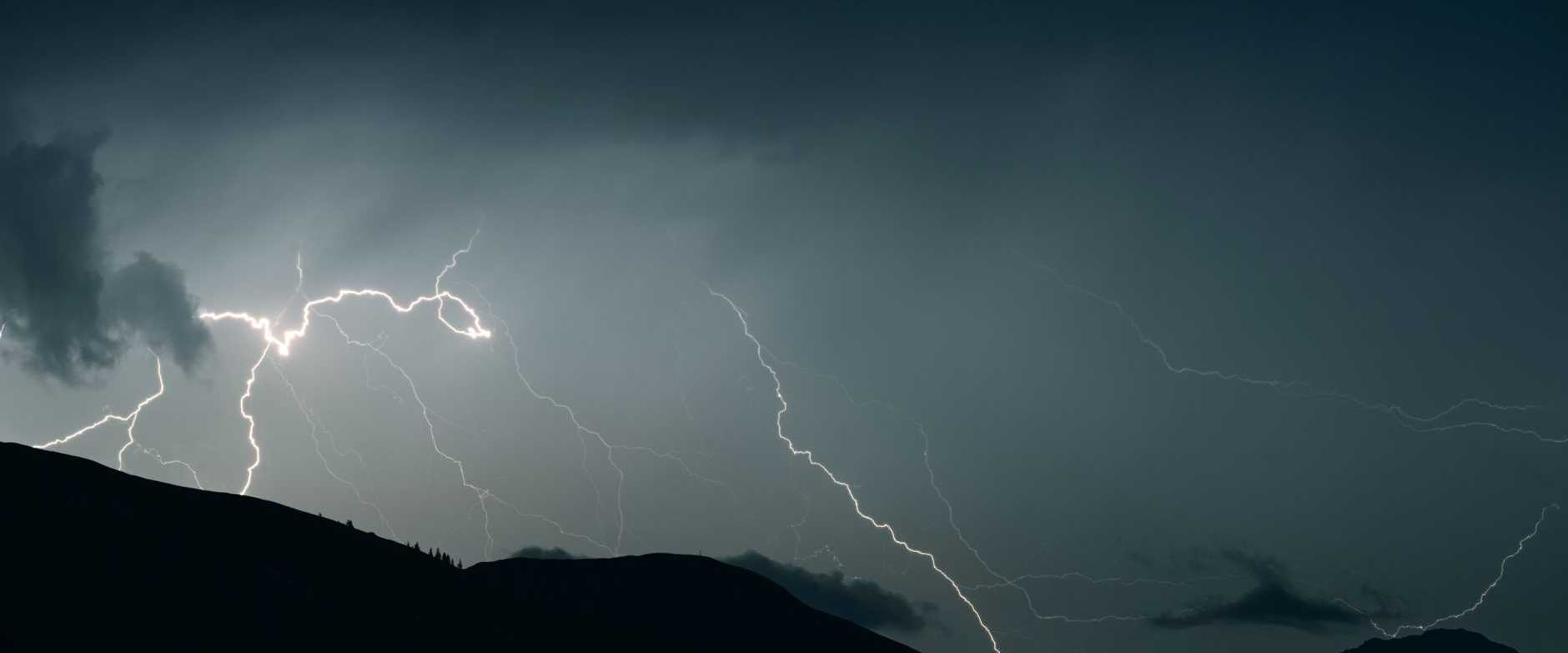
Storms don't just get louder to your dog, they get scarier from the inside out. Long before you hear the first rumble of thunder, your dog may already be picking up on falling barometric pressure, the smell of rain in the air, or shifting wind, thanks to senses far sharper than ours. That means the panic can start well before a storm actually arrives, which is why the fear can seem to come out of nowhere.
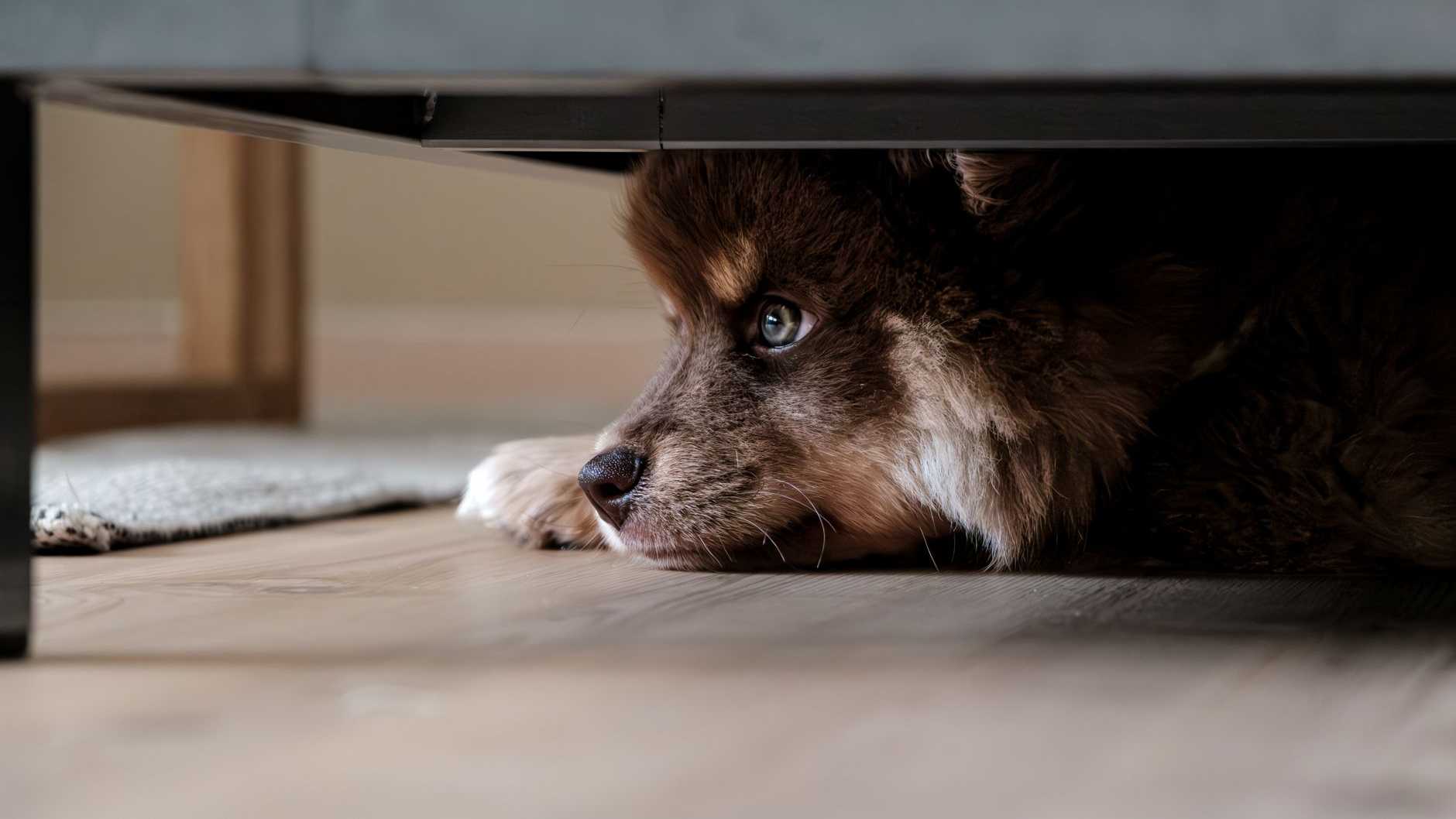
Thunderstorm phobia is one of the most common fear-based conditions in dogs, and it sits under a broader umbrella vets call noise aversion, an intense fear response to loud or startling sounds that causes pets to show an intense fear or anxiety response to loud or unexpected noises. Signs can range from mild to severe and often include urinating or defecating, vomiting, hiding, chewing, panting, pacing, digging, trying to escape, drooling, seeking out the owner, barking, trembling, and dilated pupils. Some dogs go quiet and freeze, others become frantic and try to bolt through windows or doors. It's worth knowing that storm phobia can leave a dog showing fearful behaviour for hours or even days after the storm has actually passed, which is a good reminder that recovery isn't instant even once the sky clears.
Cats can experience it too, though it often looks different: darting under furniture, flattening their ears, or dilating their pupils rather than the more obvious pacing and whining dogs show. It's also common for storm phobia to travel with other issues. Studies show that 88% of dogs with noise aversion also have separation anxiety, and about 74% of dogs with separation anxiety also have noise aversion, so a vet working through a fear of storms will often ask about how your dog behaves when left alone too.
There's no single fix, but there's also no need to just tough it out. Effective management usually blends a few things together: giving your dog a safe, den-like space they can retreat to on cue, dampening the sights and sounds of the storm with closed blinds and background noise, and, for dogs whose fear is more than mild, medication prescribed by a vet that's timed to work before the storm hits rather than during it. One important myth to put to rest: comforting a frightened dog during a storm doesn't reinforce the fear, because fear is a gut-level response that petting or reassurance can't accidentally train into them. Punishing a fearful dog, on the other hand, only makes things worse.
If your dog's storm reactions are frequent, escalating, or putting them at risk of injuring themselves or escaping, it's worth raising with your vet rather than waiting it out. There's no single pill that cures a noise or storm phobia. Treatment tends to work best as a combination of environmental changes, behaviour modification, and medication, tailored to your individual dog. The guides below dig into each of these approaches in more detail.