Kleintier-Ordination Mittertreffling Dr. Gerhard Biberauer
Practice in Wagnerweg 2, 4209 Engerwitzdorf, Austria
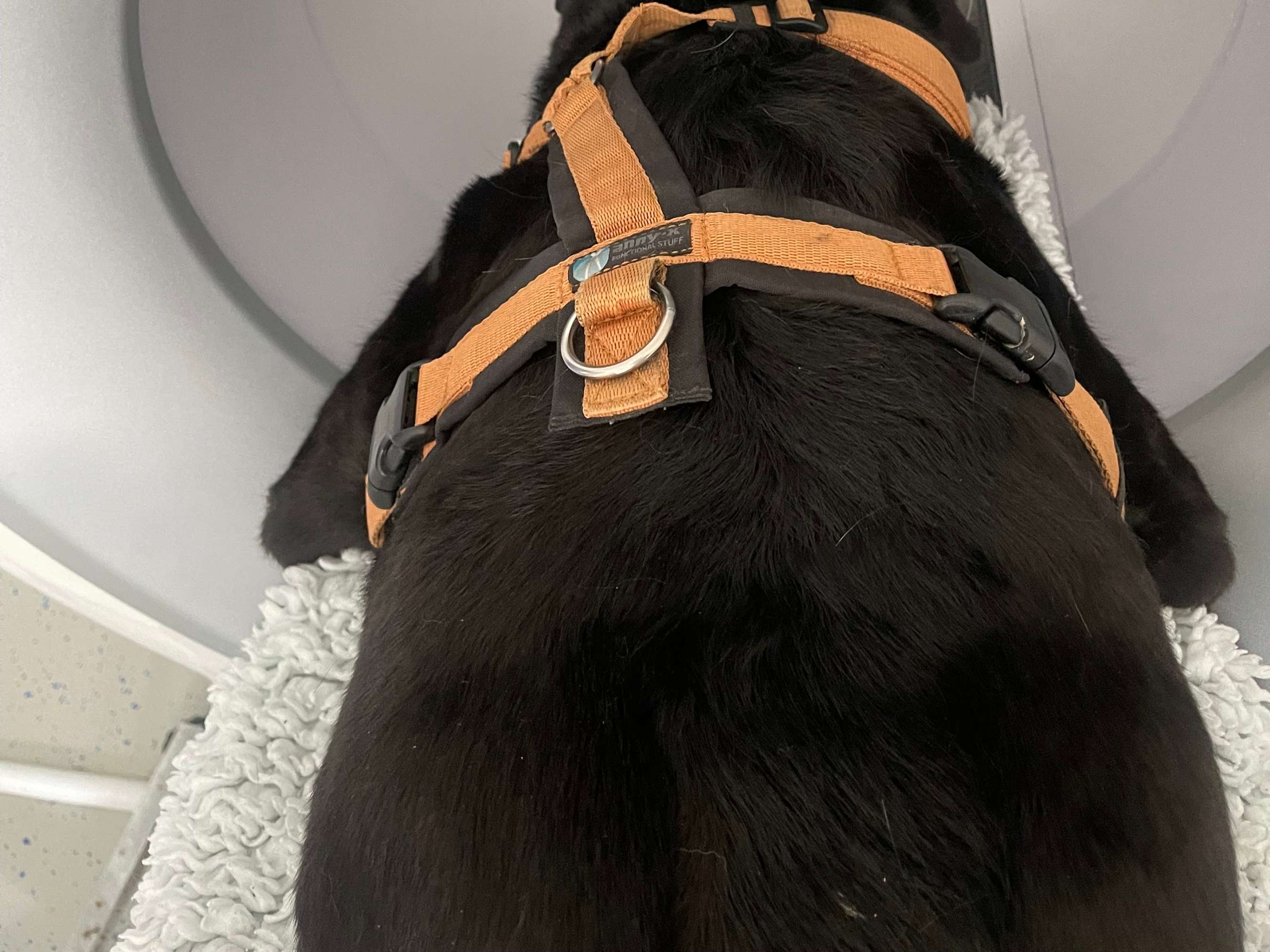
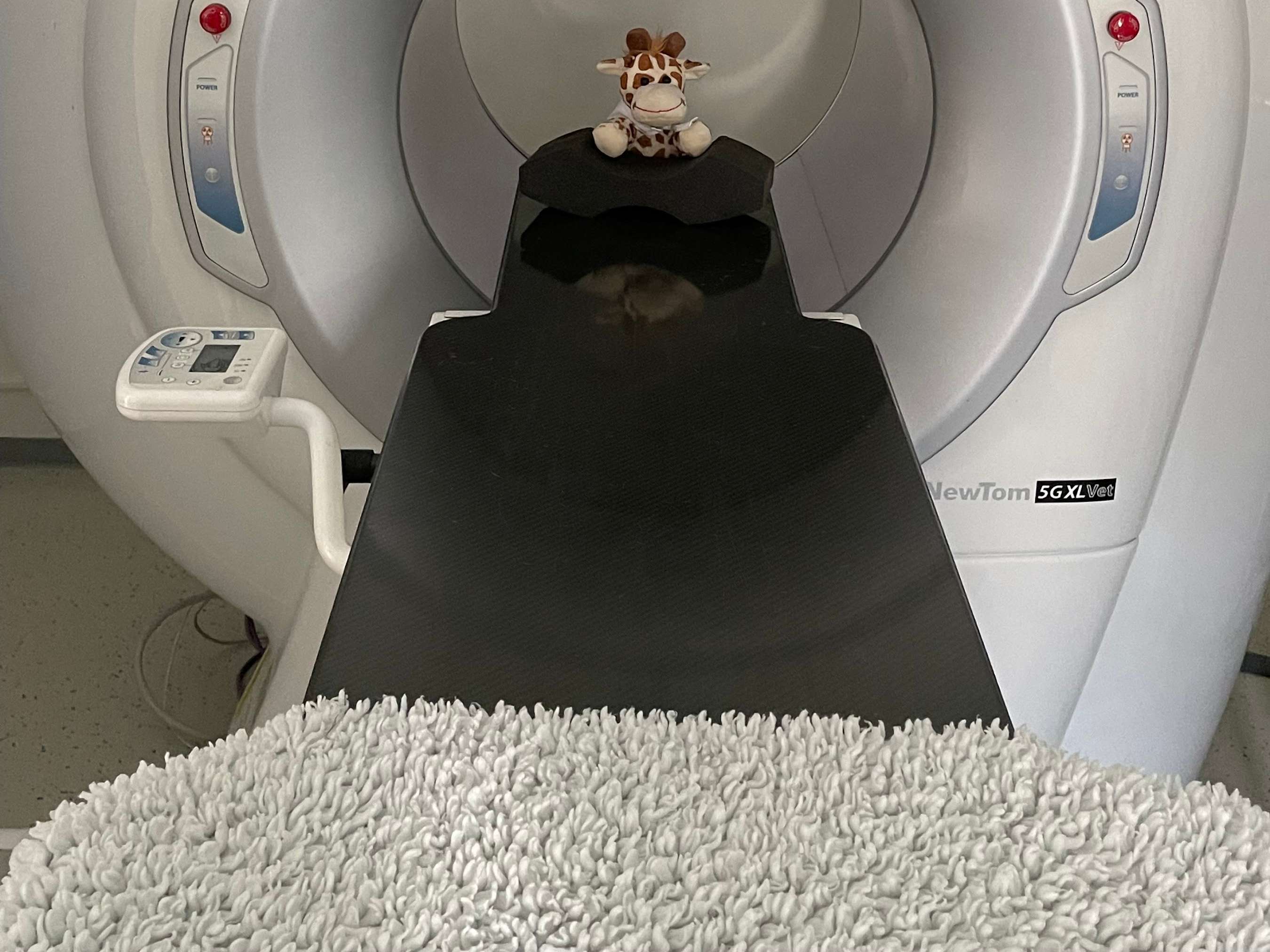
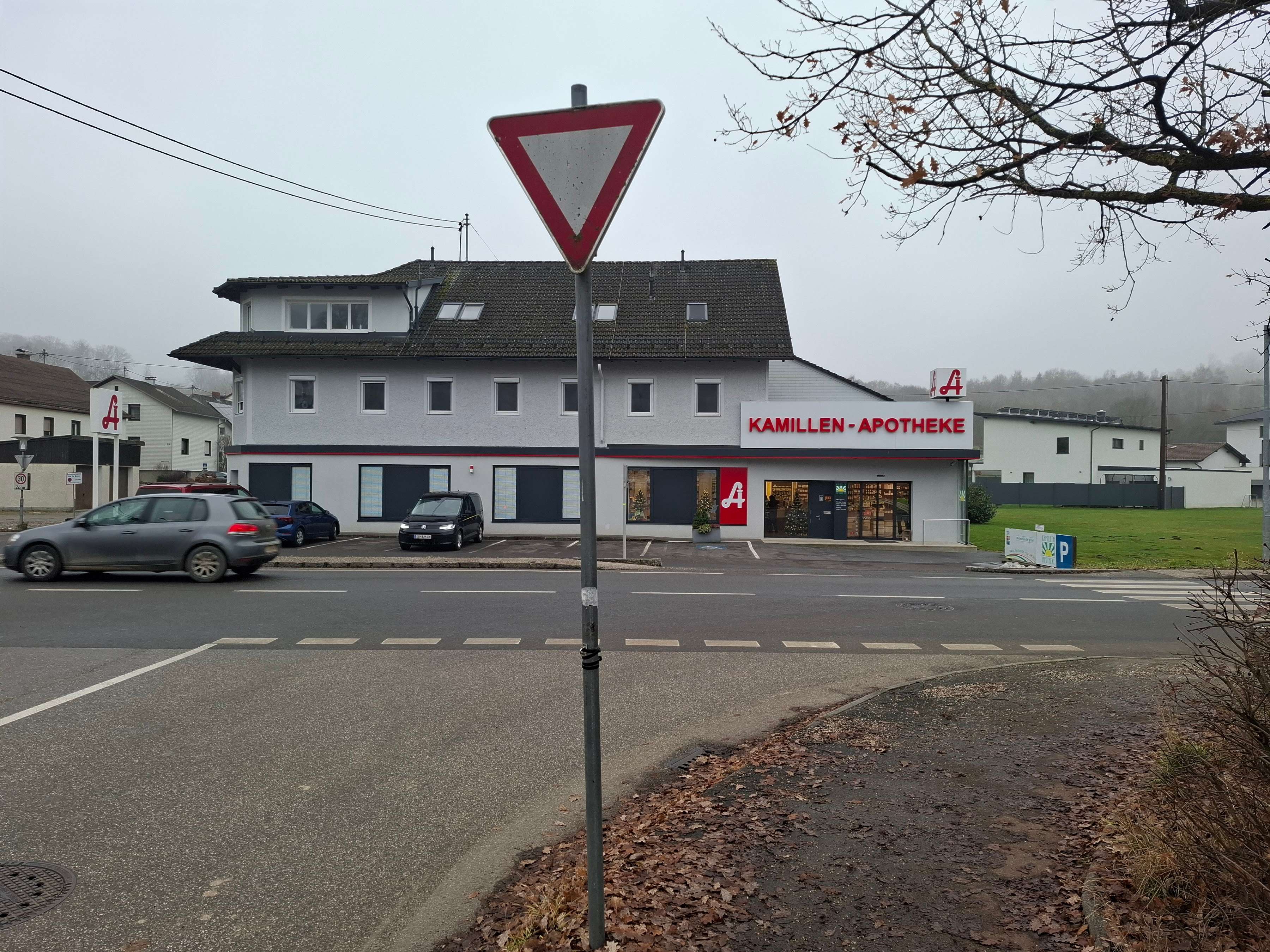
The Kleintier-Ordination Mittertreffling in Engerwitzdorf focuses on dentistry for dogs, cats, and small pets. Dr. Gerhard Biberauer is a specialist veterinarian for small animal dentistry (ÖTK) and, as a referral practice, also handles demanding dental cases. For diagnostics, digital radiography with intraoral dental X-rays is available, along with a head CT (cone-beam CT) introduced in 2022, which provides high-resolution, overlay-free imaging of bone structures and teeth. In addition to dental treatments and surgery, the services include ultrasound, ECG, an in-house laboratory, and audiometry. Rabbits, guinea pigs, rodents, birds, and exotics are also treated here.
Treated animals
Small Animals & Pets
- cats
- dogs
- exotic small mammals
- guinea pigs
- rabbits
- small rodents
Avian (Birds)
- pet birds
Medical focus areas and specializations
- acupuncture
- allergology
- alternative medicine
- breeding support
- CT
- dentistry
- ECG
- general medicine
- homeopathy
- laser therapy
- oncology
- physiotherapy
- surgery
- ultrasound
- x-ray
Services
- HospitalizationOvernight or multi-day monitoring and care
- LaboratoryOn-site blood, urine, and tissue analysis
Opening hours
- Monday
- 9:00 AM–12:00 PM4:00 PM–7:00 PM
- Tuesday
- 9:00 AM–12:00 PM4:00 PM–7:00 PM
- Wednesday
- 9:00 AM–12:00 PM4:00 PM–7:00 PM
- Thursday
- 9:00 AM–12:00 PM
- Friday
- 9:00 AM–12:00 PM4:00 PM–7:00 PM
- Saturday
- 9:00 AM–11:00 AM
- Sunday
- Closed
Appointments & new clients
Spoken languages
- 🇩🇪 German
Contact
- Website
- Email
- Phone
- Fax
Practice location
Kleintier-Ordination Mittertreffling Dr. Gerhard Biberauer
Practice location
Wagnerweg 2
4209 Engerwitzdorf
Austria
Team 3
Reviews
We took our dog Kurti to Dr. Biberauer today and want to say a big thank you to the whole team for the wonderful and professional dental treatment. They took their time with us and explained everything clearly. Even though we have quite a drive, we'll definitely be taking our three furry friends to Dr. Biberauer in the future. I hope he's still accepting new patients. Thanks ☺️
4 rabbits had their teeth treated, and two of them are now in heaven! I came to you with my rabbit, Dumbo, on a referral from the veterinary clinic. They did a CT scan of his jaw, and you determined that there was no way to help him. All of his teeth would have to be removed, which would be his death sentence. To prevent the same fate from happening to my other 8 rabbits, and to prevent their molars from also pushing through their jaws, I decided to have a CT scan of the other 8 rabbits as well (€260 each without treatment). According to your statement, the teeth of 5 rabbits were fine according to the CT scan, and nothing else needed to be done. With my Buttler, you said it would be enough to grind down his molars, and otherwise he wouldn't have any problems. Until then, Buttler was a healthy, happy rabbit who had no previous health problems! But after the visit with you, he stopped eating. I had to nurse him back to health. I called you on the emergency hotline on Saturday and you said, there's nothing I can do, give him a painkiller and otherwise I should have him put down. You also said on the phone, yes, his teeth were really bad! But then I start to wonder why you didn't do anything about it and told me that only the molars needed to be ground down? That was the reason I came to you with my animals, to spare them suffering and pain! YOU are the dental specialist! It's great, Doctor, that you have an emergency number, but then you just fob me off, even though YOU treated my rabbit! You also ground down the molars of my favorite rabbit, Ernest, and tore out a tooth. I had to have him put down shortly afterwards, and when I told you about it, you just said --> well, his teeth were much worse than Buttler the rabbit (both rabbits were healthy and died a few days after treatment, less than a week)! You didn't say anything about this to me (quite the opposite; you emphasized each time that the other teeth were fine!). And here's my question again: why didn't you do more with the teeth? It was important to you that we make appointments right away for regular molar grinding! Ernest was sedated twice at relatively short intervals (I specifically asked you if it wouldn't be too much for him). I think it was too much for his small body. Furthermore, I don't understand why, when you sedate animals, you don't take the necessary time to wait for the sedation to take effect? Also, to spare the animals the stress of being wrapped in a towel before being treated. I observed this, and therefore only gave you the last two rabbits for treatment once I was sure they were "asleep." I paid you a lot, but I don't care because my animals are worth it. I wanted to spare my animals pain and suffering. But that's exactly what happened to you, and I had to let go of my two favorite rabbits. Animals that, up until the day I entered your practice, were happy and completely problem-free rabbits. It was supposed to be a so-called routine treatment, i.e. grinding down their molars, and within a few days they died or I had to have them put down. All of my animals are so distraught and crawl into the furthest corner whenever I enter their enclosure 🙁 . Only God knows what you did to my animals. R.I.P. my beloved Ernest and R.I.P. my beloved Buttler. I wanted to protect you, and now you're in heaven! I am so incredibly sad! And I will be happy to comply with your request not to contact you on the emergency hotline again! Don't worry, I will never set foot in your practice again because I am so attached to my animals!
My cat had 22 teeth extracted, and Dr. Biberauer's team took a lot of time for him and also reassured me. When I didn't like how he looked three days after the surgery, they immediately took the time to clean the wounds again and took my concerns very seriously. I couldn't imagine being in better hands anywhere else! Many thanks to the team!
My cat Bailey urgently needed dental surgery, and even though I was a new client, I was able to get an appointment for her initial care (she was in pain when eating) on the same day, and shortly afterward, a surgery appointment for the affected teeth. Because of her kidney problems, I was initially very worried about the anesthesia. However, everything was explained to me in detail beforehand, and I was assured that everything would be closely monitored during the surgery, which immediately put my mind at ease. Everything went perfectly – thank you so much, Dr. Biberauer! ☺️ She's been eating significantly more ever since. Many thanks also to Ms. Söser for the absolutely loving care she provided during the follow-up appointments for Bailey's kidney condition. Thank you for always taking ample time and always having an answer to all my questions. And thank you, dear Timea, for your patience with Bailey when she's being difficult. It's so wonderful to see that my Bailey is feeling better again, and that you've given us even more time together. A wonderful, empathetic and absolutely competent team!
We've already taken our two female cats to Dr. Biberauer's dental practice. A very heartfelt thank you to the entire, extremely friendly team for the excellent and professional dental treatments our cats received. They provide very thorough explanations and really take their time with you. 😊
Frequently asked questions
The practice asks that you call to schedule an appointment. This applies especially to dental treatments and audiometry, for which more time is allocated.
Signs include bad breath with heavy tartar, red gums, injuries to the teeth or mouth, malocclusions, problems during teething, and growths in the oral cavity. In rabbits and rodents, overgrown cheek teeth often manifest as a loss of appetite.
The cone-beam CT displays bone structures and teeth without overlays and with a resolution of about 0.1 mm. This allows dental and jaw fractures, root tip infections, displaced teeth, or tooth resorption lesions in cats to be assessed more accurately than with conventional X-rays.
During the BAEP test, fine needle electrodes are placed under the scalp of the sleeping or sedated animal while click sounds are played through headphones. A computer measures whether the signals reach the brain. This test is particularly useful in breeds with a high proportion of white fur, as congenital deafness occurs more frequently in them.
Blood is drawn before surgeries to check whether the liver and kidneys can process the anesthetics. Vital signs are monitored throughout the procedure; if necessary, the animal stays afterward for inpatient care.
Veterinary practices nearby

Are you the owner or a team member of this practice? Claim this profile to manage it yourself.